Skip to content
If you work with wood waste – whether from tree services, sawmills, or pallet recycling – you’ve probably faced this question: wood crusher vs wood grinder – which one is right for me? The two machines look similar to the untrained eye, but they perform very different jobs. Choosing the wrong one can cost you in productivity, maintenance, and product quality.
In this article, I’ll break down the key differences between a wood crusher and a wood grinder, explain when to use each, and help you make an informed decision. We’ll also look at how manufacturers like Henan Manto Machinery Equipment Co., Ltd. design both types to meet specific industry needs.
What Is a Wood Crusher?
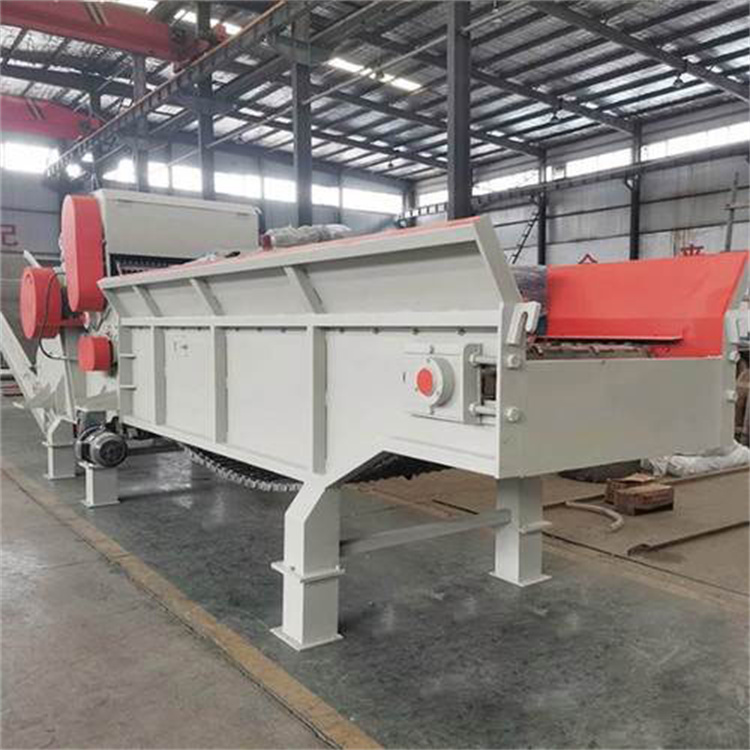
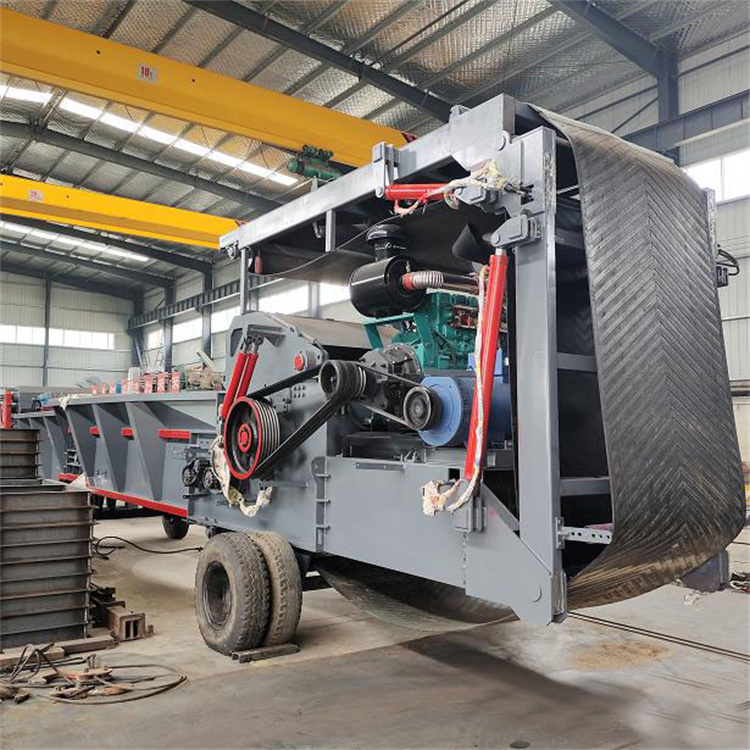
A wood crusher (also called a wood chipper or wood shredder) uses a rotating drum or disc with sharp knives to cut, slice, and break wood into relatively uniform chips or flakes. The cutting action is clean and produces minimal dust.
Typical applications:
-
Reducing branches, logs, and lumber scraps into wood chips (5–50 mm)
-
Producing boiler fuel, mulch, or animal bedding
-
Pre‑processing for pellet mills or particleboard plants
Key characteristics:
-
Output size: 5–50 mm (adjustable by screen or knife gap)
-
Moisture tolerance: up to 40% (can handle green or wet wood)
-
Power range: 30–600 HP
-
Low fines, uniform chip shape
What Is a Wood Grinder?
A wood grinder (often a hammer mill or similar) uses high‑speed rotating hammers or blades to pulverize wood into fine particles or powder. The action is repetitive impact and shearing, which generates more heat and dust.
Typical applications:
-
Producing wood flour for animal feed, wood pellets, or composite boards
-
Fine grinding for biochar preparation or chemical extraction
-
Reducing wood chips to particles under 5 mm
Key characteristics:
-
Output size: 0.5–10 mm (screen‑controlled)
-
Moisture tolerance: best below 15%; wet material clogs screens
-
Power range: 15–500 HP
-
High dust generation, more wear on hammers
Wood Crusher vs Wood Grinder: 6 Critical Differences
1. Mechanism of Action
-
Crusher: Cutting and slicing with fixed knives on a rotor. Material is cut once to size.
-
Grinder: Impact and shearing with free‑swinging hammers. Material is struck repeatedly until it passes through a screen.
2. Output Particle Size
This is the most obvious difference. Wood crushers produce coarse, uniform chips (5–50 mm). Wood grinders produce fine powder or small granules (0.5–10 mm). If your end product is mulch or boiler fuel, a crusher is sufficient. If you need wood flour for pellets or composites, you need a grinder.
3. Moisture Tolerance
Wood crushers can handle up to 40% moisture – even freshly cut logs or palm EFB. Wood grinders choke on wet material because the screens clog and hammers cannot effectively tear wet fibers. For grinding, dry the wood below 15% first.
4. Energy Consumption
Producing fine particles takes more energy. A wood grinder can consume 20–50 kWh per ton, while a wood crusher uses only 5–15 kWh per ton for coarse chipping. If you don’t need fine powder, don’t pay the energy penalty.
5. Wear Parts and Maintenance
-
Crusher: Knives and anvils. Knives can be reversed and reground. Life: 800–2000 hours.
-
Grinder: Hammers and screens. Hammers wear faster, especially with abrasive materials (bark, sand‑contaminated wood). Life: 200–500 hours.
Henan Manto Machinery builds both machine types with hardened wear parts and easy‑access housings, reducing downtime for customers worldwide.
6. Footprint and Noise
Wood grinders are typically more compact but produce higher noise levels (100–115 dB) due to impact action. Wood crushers run quieter (85–100 dB) and can be installed outdoors with basic sound enclosures.
How to Choose Based on Your Application
| If you need… | Choose a… |
|---|---|
| Mulch, boiler chips, animal bedding (5–50 mm) | Wood crusher |
| Wood flour, fine powder for pellets (< 5 mm) | Wood grinder |
| Two‑stage size reduction (first chips, then powder) | Crusher + grinder |
| To process wet/green wood (up to 40% moisture) | Wood crusher |
| Low energy cost per ton | Wood crusher |
| A single machine for both coarse and fine (compromised) | Neither – buy two dedicated machines |
Can One Machine Do Both?
Some suppliers offer “hammer mill crushers” that claim to perform both functions. In practice, these are usually grinders with larger screens. They cannot produce clean, uniform chips because the hammer action creates too many fines. Conversely, a pure crusher cannot produce fine powder efficiently.
For best results, Henan Manto Machinery Equipment Co., Ltd. recommends a two‑stage approach: a heavy‑duty wood crusher for primary reduction to 20–30 mm chips, followed by a wood grinder for final grinding if needed. This combination saves power and extends machine life.
Real‑World Examples
-
Tree service company: Needs to chip branches and logs into mulch. A wood crusher (drum chipper) is ideal – it handles wet wood, produces saleable chips, and runs efficiently.
-
Wood pellet plant: Requires fine sawdust or wood flour. They use a wood grinder (hammer mill) after drying and chipping. Sometimes they employ a crusher first, then a grinder.
-
Biomass boiler operator: Burns chips of 10–30 mm. A wood crusher is perfect – no need for fine grinding.
Cost and ROI Considerations
-
Initial investment: Wood crushers (especially drum‑type) are generally 20–40% more expensive than wood grinders of similar throughput.
-
Operating cost: Wood grinders have higher hammer/screen replacement frequency and higher energy consumption per ton. For coarse applications, a crusher is cheaper to run.
-
Long‑term value: Both retain value, but dedicated machines are easier to sell than hybrids.
Conclusion
The choice between a wood crusher and a wood grinder comes down to three questions:
-
What output size do I need? (Chips >5 mm or powder <5 mm?)
-
Is my material wet or dry? (Wet = crusher, dry = grinder)
-
What’s my budget for energy and wear parts?
Most wood processing operations benefit from having both machines in a staged line. But if you can only buy one, match the machine to your primary product. For mulch, boiler fuel, or composting, get a wood crusher. For animal feed, pellets, or fine biochar, get a wood grinder.
Henan Manto Machinery Equipment Co., Ltd. offers a full range of both crushers and grinders, and their engineers will help you test your material before you buy. Take advantage of that – send them a sample of your typical wood waste, and they’ll recommend the right machine for your business.