Skip to content
So you’re an international buyer looking for biomass equipment. Maybe you’re setting up a pellet plant in Southeast Asia, a biochar operation in Africa, or a wood waste recycling line in South America. You’ve probably realized that finding trustworthy biomass equipment suppliers isn’t as simple as typing a few words into Google. There are hundreds of manufacturers out there – from small workshops to massive industrial conglomerates – and separating the reliable ones from the rest can feel overwhelming.
I’ve been there. Over the years, I’ve helped buyers from over 30 countries source wood chippers, hammer mills, dryers, pellet presses, and carbonization furnaces. In this guide, I’ll walk you through exactly what to look for when evaluating biomass equipment for international buyers, which machine types you’ll likely need, and how to avoid the costly mistakes that first‑time importers often make. Let’s dive in.
Why International Buyers Need Specialized Biomass Equipment Suppliers
Here’s the thing: buying biomass machinery isn’t like buying standard industrial equipment. Your raw material varies widely – coconut shells, palm kernel shells, rice husks, sawdust, wood logs, EFB (empty fruit bunches) – and each requires different processing methods. A machine that works perfectly for pine wood chips in Canada might choke on wet palm EFB in Malaysia.
That’s why you need biomass equipment suppliers who understand international logistics, voltage differences (380V, 415V, 480V, etc.), local environmental regulations, and the specific challenges of your feedstock. A supplier that only sells domestically may not have the experience to help you with export documentation, container loading, or after‑sales support across borders.
One company that has built a strong reputation among international buyers is Henan Manto Machinery Equipment Co., Ltd. (often referred to as Henan Manto Machinery). They specialize in biomass processing equipment for global markets, with installations in over 40 countries. I’ll share more about their offerings later.
Key Biomass Equipment Types You’ll Likely Need
Before we talk about selecting suppliers, let’s review the most common machines international buyers search for. Understanding these will help you ask the right questions.
1. Wood Chippers and Crushers
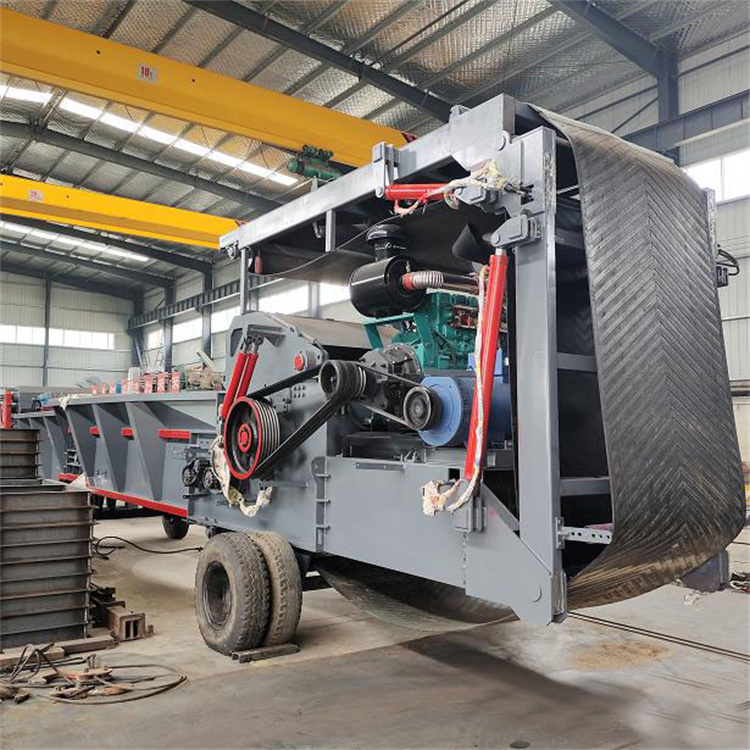
These reduce raw biomass (logs, branches, palm fronds, coconut husks) into smaller chips or flakes. Look for heavy‑duty drum chippers or disc chippers depending on your throughput and chip uniformity requirements.
2. Hammer Mills
For fine grinding of dry biomass into powder or flour – essential for pellet production, animal feed, or biochar feedstock preparation. A good hammer mill can handle various materials with consistent output size.
3. Rotary Dryers
Moisture content is critical. Most biomass needs to be dried to below 15% before pelleting or carbonization. Rotary drum dryers are the industry standard.
4. Pellet Mills
These compress dried, ground biomass into dense pellets for fuel, animal bedding, or feed. Flat‑die or ring‑die designs cater to different scales.
5. Carbonization Furnaces (Biochar/Charcoal Machines)
For converting biomass into charcoal or biochar. Continuous systems are preferred for commercial production because they recycle syngas and run 24/7.
6. Briquette Presses
For making biomass briquettes without binders – popular in regions where coal is being phased out.
What International Buyers Should Look for in Biomass Equipment Suppliers
Based on conversations with dozens of global purchasers, here’s a checklist of non‑negotiable criteria.
1. Export Experience and Documentation
Does the supplier regularly ship overseas? Ask for bills of lading, customs clearance records, or client references in your region. A supplier that has never exported will struggle with proper packaging, fumigation certificates, and Incoterms.
2. Voltage and Frequency Customization
Electrical standards vary. A machine built for 380V/50Hz won’t work on 415V/50Hz or 480V/60Hz without modifications. Reputable biomass equipment suppliers offer multi‑voltage motors or can supply step‑up/down transformers.
3. Spare Parts Availability Across Borders
One of the biggest pain points for international buyers is waiting weeks or months for spare parts. Ask about local warehouses, distribution partners, or guaranteed air freight options for critical components (blades, bearings, dies).
4. After‑Sales Support and Training
Will they send a technician to your country for installation and commissioning? Do they offer video‑based troubleshooting, manuals in your language, and remote diagnostics? These factors are often more important than the machine price itself.
5. Compliance with International Standards
CE certification is a baseline for many markets, but some regions require additional local approvals. A serious biomass equipment manufacturer will have their machines tested and certified.
6. Transparent Pricing with Full Breakdown
Watch out for hidden costs. A low machine price might be followed by exorbitant shipping, insurance, or “uncrating” fees. Ask for a detailed proforma invoice including FOB or CIF terms, packaging, and any export handling charges.
Top 5 Mistakes International Buyers Make (And How to Avoid Them)
I’ve seen too many buyers learn these lessons the hard way. Don’t be one of them.
Mistake #1: Buying Based on Alibaba Price Alone
The cheapest quote is rarely the best long‑term value. One buyer from Kenya bought a $5,000 wood chipper that broke within two weeks. The supplier disappeared. He then bought a slightly more expensive unit from a known biomass equipment supplier – and it’s still running after three years.
Solution: Prioritize suppliers with verifiable track records, even if they cost 20–30% more.
Mistake #2: Ignoring Moisture Content
A pellet mill can’t process wet sawdust. A carbonizer wastes energy evaporating water. Yet many buyers forget to specify moisture limits.
Solution: Send samples to your potential supplier for testing. Ask for a written report on recommended pre‑drying.
Mistake #3: Underestimating Shipping and Customs
Biomass machinery is heavy. A 5‑ton hammer mill might cost $4,000 to ship via sea freight, plus import duties and port handling. Factor this into your budget.
Solution: Request CIF (Cost, Insurance, Freight) quotes to your nearest port. Clarify who pays for customs clearance.
Mistake #4: No Spare Parts Strategy
A broken conveyor belt or worn hammer can halt production. Waiting 45 days for a replacement is unacceptable for a commercial operation.
Solution: Negotiate a spare parts kit with your initial order – belts, bearings, hammers, screens, and knives. Store them locally.
Mistake #5: Overlooking Operator Training
Even the best machine is useless if your team doesn’t know how to run it safely and efficiently.
Solution: Insist on on‑site or video training as part of the purchase agreement.
Case Study: How an International Buyer Successfully Sourced from a Chinese Supplier
Let me tell you about a customer in Ghana – let’s call him Kwame. He wanted to process palm kernel shells into biochar for soil amendment and activated carbon. He contacted several biomass equipment suppliers, including a European brand (too expensive, long lead time), an Indian manufacturer (poor communication), and Henan Manto Machinery Equipment Co., Ltd.
What impressed Kwame was the detailed questionnaire Henan Manto sent. They asked about his feedstock moisture (35%), desired output size (5‑10 mm), production target (2 tons per day), and local voltage (415V/50Hz). They provided a video of a similar machine processing palm shells. They also offered to ship a complete spare parts kit and included a technician visit for commissioning.
Kwame placed the order. The machine arrived at Tema Port six weeks later. Henan Manto’s technician flew in, trained his four operators, and stayed until the first batch of biochar passed quality tests. Two years on, Kwame has expanded to two machines and now exports biochar to Europe.
Stories like this highlight why choosing the right biomass equipment for international buyers isn’t just about the hardware – it’s about the partnership.
How to Shortlist Reliable Biomass Equipment Suppliers
Follow this step‑by‑step process to build your shortlist.
-
Search with specific long‑tail keywords – Instead of “biomass equipment,” try “biomass pellet line supplier for Africa” or “wood chipper exporter to South America.” This filters out domestic‑only sellers.
-
Check third‑party platforms – Look at reviews on Alibaba (verified purchases), Global Sources, or industry forums like Bioenergy International. But don’t rely solely on platform ratings – scammers can fake them.
-
Request customer references – A legitimate supplier will provide contact details of at least three past international buyers. Actually email or call them. Ask about delivery times, machine reliability, and how the supplier handled problems.
-
Arrange a video factory tour – In the post‑COVID era, this is standard. Ask to see the assembly line, quality control checks, and a test run of your target machine.
-
Compare warranty terms – Standard is 12 months. Some suppliers offer 24 months on major components (main shaft, gearbox). Avoid anyone offering less than 6 months.
The Role of Chinese Manufacturers in the Global Biomass Market
China is the world’s largest producer of biomass processing equipment. The quality range is vast – from cheap, short‑lived machines to robust, CE‑certified systems that compete with European and American brands. The key is finding a manufacturer that prioritizes quality and service, not just volume.
Henan Manto Machinery Equipment Co., Ltd. is one of the rising names in this space. They produce a full line of biomass crushers, dryers, pellet mills, and carbonization furnaces. What sets them apart for international buyers is their dedicated export team, multilingual support, and willingness to customize for local conditions. I’ve seen their equipment in palm oil mills in Indonesia, wood recycling plants in Canada, and biochar projects in Zambia. The feedback is consistently positive – especially regarding their after‑sales responsiveness.
Final Tips for International Buyers
-
Start small. If you’re new to biomass processing, buy a pilot‑scale machine first. Test your market, then scale up. A good supplier will offer trade‑in or upgrade programs.
-
Plan for growth. Ensure your chosen equipment can be integrated into a larger line later (e.g., add a dryer or a second pellet mill).
-
Protect your payment. Use letters of credit (L/C) or escrow services. Avoid 100% upfront bank transfers unless you have a long relationship with the supplier.
-
Consider local agents. Hiring a sourcing agent in the supplier’s country can save you headaches – but vet them as carefully as the manufacturer.
Conclusion
Finding trustworthy biomass equipment suppliers for international buyers requires patience, research, and a willingness to ask tough questions. Don’t rush. Don’t fall for prices that seem too good to be true. Instead, focus on suppliers with proven export experience, transparent communication, and a clear commitment to supporting you after the sale.
Whether you need a single wood chipper or a complete pellet production line, the right partner makes all the difference. Companies like Henan Manto Machinery Equipment Co., Ltd. have demonstrated that it’s possible to combine competitive pricing with genuine service – exactly what international buyers need.
Take your time, test samples, check references, and you’ll build a biomass processing operation that delivers profits for years to come.