Every time your crew finishes a pruning job, you’re left with a mountain of branches, twigs, and foliage. You pay to haul it away. You pay landfill tipping fees. You pay your team to load trucks and drive back and forth. What if that waste stream could become a revenue stream instead of a constant drain on your bottom line? That’s exactly what happens when you learn how to process tree trimming waste efficiently using the right equipment and workflow.
Over the years, I’ve talked to dozens of tree service owners, landscapers, and municipal crews who turned their waste problem into a profit center. They stopped paying to get rid of branches and started selling wood chips for mulch, biomass fuel, or even animal bedding. In this guide, I’ll show you exactly how they did it — and how you can too.
The Hidden Cost of Hauling Away Trimmings
Most tree service companies treat waste disposal as an unavoidable expense. You pile branches onto a truck, drive to the landfill or transfer station, pay by the ton or by the load, and drive back. Repeat multiple times per job if the debris is bulky.
Let’s look at real numbers. Hauling off tree debris can cost anywhere from $200 to $600 per load depending on your location and the landfill’s fee structure. For a medium-sized tree service company, waste disposal can eat up a significant portion of your profit margin. And those costs are only rising as landfills restrict green waste acceptance and increase tipping fees. But there’s a better way.
Why On-Site Chipping Is the Game-Changer
The single most effective way to reduce tree trimming waste disposal costs is to chip the material on-site. Here’s why: chipping reduces volume by 75–90% . Material that once filled an entire truck bed becomes a small pile of chips. Fewer trips mean less fuel, less labor, and dramatically lower disposal fees.
A Mansfield council in Australia found that using a chipper saved an estimated $5,000 per year just on mulch purchases alone — not counting the labor savings from reduced hauling trips. The team completed more pruning work because they weren’t spending half their day driving back and forth to the landfill.
A wood chipper transforms your workflow from “waste removal” to “material processing.” Instead of paying to get rid of branches, you produce a valuable product: uniform, clean wood chips.
Choosing the Right Wood Chipper for Efficient Processing
Not all chippers are created equal. To process tree trimming waste efficiently, you need a machine matched to your typical branch sizes and job site conditions.
Drum Chippers vs Disc Chippers
-
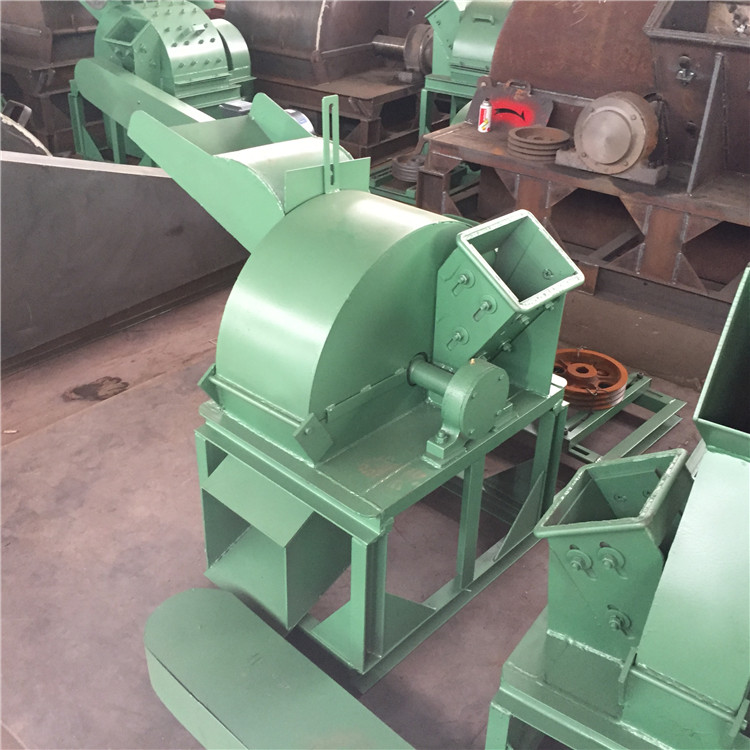
Drum chippers are ideal for high-volume production. They can process large logs, irregular branches, and mixed wood waste continuously. They’re more forgiving of crooked material and self-feeding, which boosts crew productivity.
-
Disc chippers generally produce more uniform chips and are excellent for landscaping or decorative mulch, but they struggle with heavily branched material.
For most tree service operations, a heavy-duty drum chipper offers the best balance of throughput, reliability, and chip quality for biomass fuel or mulch.
Mobile vs Stationary Chippers
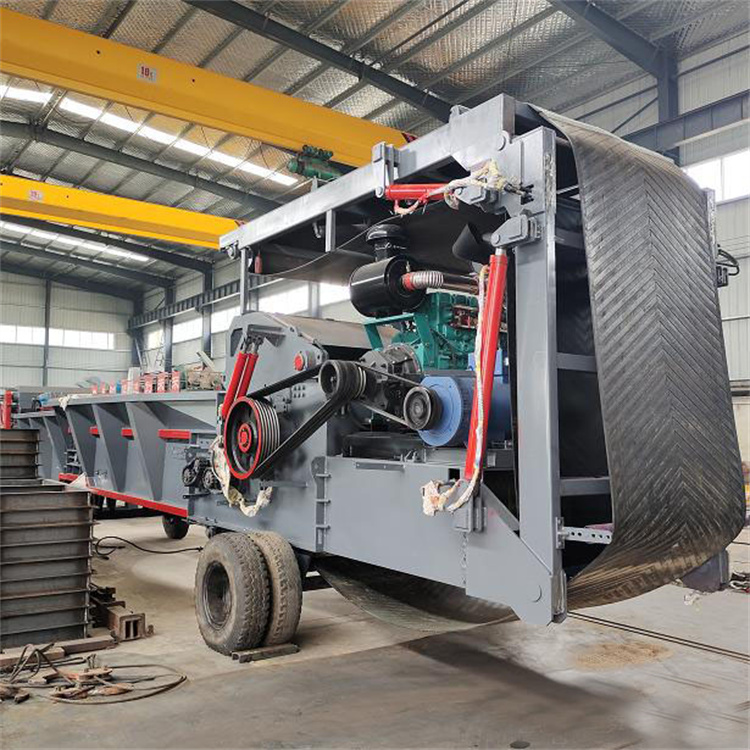
Tree services move from site to site. That means you need a mobile wood crusher that can be towed behind a truck or mounted on a trailer. Mobile chippers allow you to process waste immediately as you cut, eliminating the need to pile and haul raw branches to a central location. Many manufacturers, including Henan Manto Machinery, offer towable drum chippers with diesel engines ranging from 75 HP to 300 HP, built specifically for commercial tree service applications.
Capacity Requirements
Match the chipper’s rated capacity to your typical branch size. A commercial chipper with 3–6 inch capacity is sufficient for most tree pruning work, while whole-tree removals may require a 6–12 inch or larger machine. Oversizing wastes fuel; undersizing kills productivity with constant jams.
Turn Waste Into Revenue: The Profit Side of Processing
Here’s where the math gets exciting. Once you’re chipping on-site, you’re not just saving money — you’re creating a sellable product.
-
Mulch – Clean wood chips can be sold to landscaping supply yards, nurseries, or directly to homeowners for $10–$15 per cubic yard at wholesale.
-
Biomass fuel – Many biomass power plants and pellet mills pay for clean wood chips, turning your waste into an energy feedstock.
-
Animal bedding – Fine, dry wood chips are used for horse stalls and livestock bedding.
-
Compost – Chipped green waste is a valuable carbon source for commercial composting operations.
The ability to custom blend wood types or even dye chips can add up to an **extra $10 per yard** over standard mulch pricing. A single truckload of chips that used to cost you $200 to dispose of could now generate $150–$300 in revenue instead.
Real-World Savings: Case Studies from the Field
Let me share what I’ve seen in actual tree service operations:
Case 1: Medium Tree Service Company
A crew processing 50 tons of branch waste per week used to make 8–10 landfill trips weekly. After investing in a heavy-duty drum chipper, they reduced volume by 80% and now make just 2 trips. Annual disposal fees dropped from approximately $9,000 to $1,500 — an 83% reduction. Transport vehicles reduced by 80%, and labor input dropped 65%. The chips are now sold as compost and garden covering, generating additional income.
Case 2: Urban Landscaping Crew
This team was spending half their day hauling branches. After adding a mobile chipper, they now chip everything on-site. They produce high-quality mulch that they sell directly to homeowners and landscape supply yards. Their manager told me the chipper paid for itself in 8 months.
Case 3: Municipal Parks Department
A city parks department used to pay a contractor to remove all tree trimming waste. By purchasing their own commercial chipper, they now process waste in-house, produce free mulch for residents, and eliminated a $50,000 annual disposal contract.
According to Henan Manto Machinery, a medium-sized tree service company investing in a commercial wood chipper often sees payback within 6–12 months purely through disposal savings. When you add chip sales revenue, the payback period shrinks even further.
Safety and Compliance: Non-Negotiable for Efficiency
Processing tree trimming waste efficiently isn’t just about speed — it’s about keeping your crew safe and avoiding regulatory fines.
OSHA mandates that wood chippers have appropriate safeguards to protect operators, including infeed chute guards and emergency shutoffs. Between 1992 and 2002, the CDC documented 70 occupational fatalities and an estimated 2,042 injuries caused by mobile wood chippers. Most of these incidents were preventable with proper training and equipment.
Essential safety practices:
-
Never operate a chipper alone – Always have at least two crew members present.
-
Wear proper PPE – Safety glasses or face shield, hearing protection, gloves that fit tightly, hard hat, and steel-toe boots.
-
Train every crew member – Untrained employees are at highest risk. In one recent OSHA case, an untrained worker was pulled into chipping equipment, resulting in severe injury.
-
Inspect blades and safety features daily – Worn blades reduce efficiency and increase kickback risk.
Efficiency without safety is a lawsuit waiting to happen. A well-trained crew with properly guarded equipment works faster and safer.
Maintenance That Keeps You Profitable
A chipper that’s down for repairs is a chipper that’s losing you money. Regular maintenance is non-negotiable.
-
Blade sharpening/replacement – Dull blades reduce throughput by 30–50% and waste fuel. A large diesel industrial chipper might need blade replacement every three months at around $300 per set, or more frequently with heavy use.
-
Engine oil changes – Every 100 hours of operation.
-
Hydraulic fluids and filters – Check and replace per manufacturer schedule.
-
Belts and chains – Replace every six months or as needed.
Repair and maintenance represent, on average, 14% of total chipping cost. A well-maintained chipper cuts that percentage dramatically while keeping your crew productive.
Henan Manto Machinery provides free operational audits and training to help commercial users minimize waste and optimize machine performance. Their heavy-duty drum chippers and mobile crusers feature hardened blades, auto-feed systems, and dust suppression to meet environmental standards.
The Bottom Line: From Cost to Profit
Let’s summarize the three ways a wood chipper transforms your tree trimming waste operation:
-
Direct disposal savings – You stop paying landfill tipping fees and reduce hauling labor and fuel costs by 70–85%.
-
Product revenue – Chips become mulch, biomass fuel, or animal bedding that you can sell.
-
Productivity gains – Your crew spends time on revenue-generating work instead of loading and driving.
A commercial wood chipper is not an expense — it’s an investment that typically pays for itself within 6–12 months. And once it’s paid off, every truckload of branches you process becomes pure profit.
Conclusion
If you’re still hauling raw branches to the landfill, you’re leaving money on the table. Learning how to process tree trimming waste efficiently starts with a simple decision: invest in a quality wood chipper matched to your operation.
Whether you choose a mobile drum chipper for on-site processing or a stationary unit for a yard-based operation, the math is clear. Chipping reduces volume by up to 90%, slashes disposal costs by 70–85%, and turns waste into revenue.
Companies like Henan Manto Machinery have been helping tree service businesses make this transition with reliable, heavy-duty equipment and after-sales support. Their diesel mobile drum chippers are built for demanding commercial use, with hardened blades, auto-feed systems, and dust suppression to meet environmental standards.
Stop paying to throw away value. Start chipping, start selling, and watch your waste stream become a profit stream.