If you’re shopping for an industrial wood chipper, you’ve probably encountered the classic debate: drum chipper vs disc chipper. Both are proven technologies, but they behave very differently in the field — affecting your fuel bills, production volume, chip quality, and maintenance costs.
Based on academic research and real‑world data, I‘ll break down the performance of drum and disc chippers across five critical dimensions: energy efficiency, productivity, chip quality, feedstock versatility, and long‑term maintenance costs. By the end, you’ll know exactly which machine fits your operation.
How Drum and Disc Chippers Work
Before comparing performance, let’s quickly review the basic mechanics — because the way each machine cuts material directly determines its strengths and weaknesses.
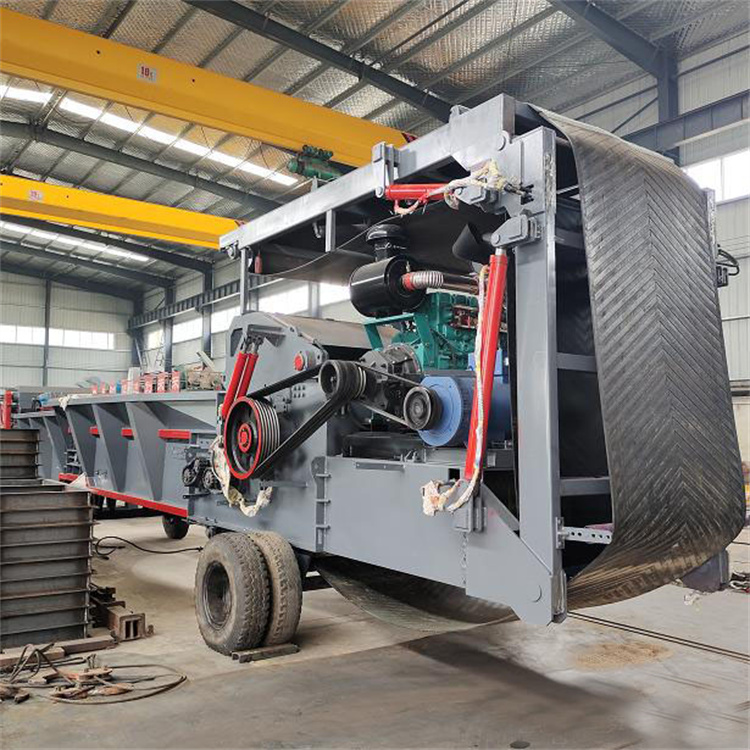
Drum Wood Chipper: A drum wood chipper features a large cylindrical drum mounted with knives that cut in a scooping motion. As the drum spins at high speed, it pulls material in, slices it, and throws chips out through the discharge chute. Drum chippers typically have very little space behind the feed rollers, which minimizes the risk of material lodging or jamming behind the drum. Drums generally require a higher RPM than discs for effective cutting and chip ejection, but this also produces better chip ejection and less re‑cutting of material. On the other hand, drum chippers tend to be louder and require careful feeding to avoid blockages.
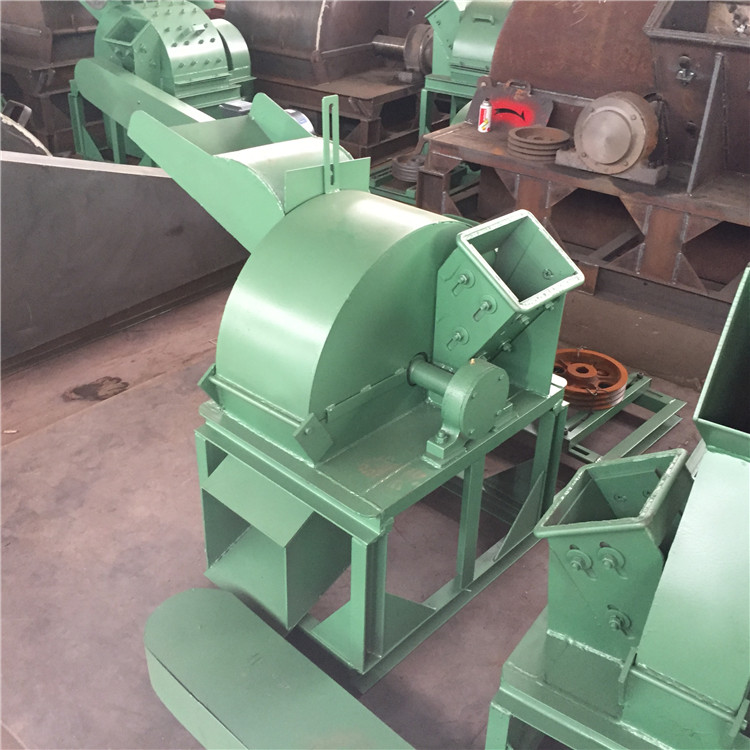
Disc Wood Chipper: A disc wood chipper uses a large steel disc with knives mounted on its face. Material is fed in, and the rotating disc cuts across the grain at roughly a 90° angle, slicing uniform chips. The size of the disc is determined by the material to be chipped — smaller disc for lower capacity, larger disc for higher throughput. Disc‑style chippers are generally more compact, lighter in weight, and suitable for smaller engine configurations, which is why they are often found in smaller brush chippers.
In simple terms:
-
Drum chippers pull material in aggressively. They are compact yet capable of high throughput, making them well‑suited for processing large volumes of crooked or branched material.
-
Disc chippers slice cleanly across the grain, producing very consistent chip geometry with fewer fines. They are mechanically simpler and often more fuel‑efficient when processing clean feedstock like logs.
Now let’s compare how they actually perform.
1. Energy Efficiency: The Data Speaks
Multiple independent studies have measured the energy consumption of drum vs disc chippers under controlled conditions. The results are remarkably consistent: disc chippers are significantly more fuel‑ and energy‑efficient when processing clean wood like logs and stemwood.
A 2013 study compared a disc chipper and a drum chipper of the same diameter capacity, feeding them identical feedstock types. The disc chipper used 19% less fuel per unit of product than the drum chipper. Across different feedstock types, the disc tool required 12–18% less fuel than the drum tool, with the largest difference observed when processing branches, and the smallest difference when processing logs. Similarly, the disc chipper consumed 12–16% less specific energy.
A more recent 2024 study by Skogforsk confirms this trend. Disc chippers are more productive and more fuel‑ and energy‑efficient than drum chippers when chipping stemwood. However — and this is an important caveat — disc chippers lose efficiency and produce low‑quality chips when chipping logging residues or small trees. They are optimized for clean, straight material.
Takeaway: If you primarily chip clean logs or stemwood, a disc chipper will save you real money on fuel every year. If your feedstock is branches, tops, or logging residues, the efficiency advantage of a disc chipper narrows significantly.
2. Productivity: Who Chips Faster?
Energy efficiency is only one side of the coin. You also care about how many tons per hour you can process.
The same academic study that measured energy consumption also tracked productivity. The drum chipper was 8% more productive than the disc chipper when processing the same material. Why? Because a drum chipper cuts with its knives along the full length of the drum, using energy continuously, whereas a disc chipper’s cutting action is more intermittent. In terms of chipping capability rankings, drum chippers exhibit the highest capability among all cutting mechanisms tested, followed by disc chippers, two‑cylinder chippers, and flail chippers.
That said, a manufacturer’s blog comparison suggests drum‑type wood chippers can achieve processing speeds of around 2,500 kg/h compared to 1,200 kg/h for traditional chippers, with lower energy consumption per hour. However, these claims should be weighed against the academic literature, which is based on controlled, peer‑reviewed testing.
Takeaway: For high‑volume, continuous operation — especially with irregular or branchy material — drum chippers generally have a productivity edge. If productivity is your top priority and feedstock quality varies, lean toward a drum chipper.
3. Chip Quality: Uniformity Matters
Chip quality isn’t just about aesthetics. Uniform chips improve fuel combustion efficiency, reduce waste in pulping processes, and fetch higher prices in premium markets.
A fascinating 2019 study compared a novel drum‑chipping technology with a conventional industrial‑scale disc chipper at a kraft pulp mill. When using screening methods, the drum chipper produced a similar fraction of oversized and overthick chips but 51% more large accept chips, 11% more total accept chips, and 74% less pin chips and fines compared to the disc chipper. Image analysis confirmed the same trend. Moreover, wood chips from the drum chipper had a more uniform length distribution.
However, the 2013 study painted a slightly different picture: the drum chipper produced smaller chips with a higher incidence of fines (pin chips and dust) compared to the disc chipper. This apparent contradiction suggests that chip quality outcomes depend heavily on the specific drum design (closed vs open drum, knife configuration, feedstock type, and knife sharpness).
Takeaway: For applications requiring very low fines — such as activated carbon precursors or high‑grade shisha charcoal — a disc chipper may be the safer choice. For biomass fuel or pulping, modern drum chippers can actually produce excellent chip size distribution with a higher proportion of accept chips.
4. Feedstock Versatility: The Deciding Factor
This is where the two technologies diverge most dramatically — and arguably, this single factor should drive your purchasing decision.
Disc chippers are highly sensitive to feedstock quality. They perform brilliantly on clean, straight logs but degrade quickly in efficiency and chip quality when fed crooked branches, logging residues, or small trees. For this reason, disc chippers are more often used in pulp and paper applications where feedstock is controlled.
Drum chippers, by contrast, are far less sensitive to feedstock type. They produce acceptable chips from all uncontaminated feedstocks, including limbs, tops, and other lower‑quality wood waste. For this reason, drum chippers have enjoyed wider popularity in recent years for processing logging residue and other low‑quality wood.
Moreover, drum chippers can be fitted with screens designed to re‑circulate oversized particles, further improving product uniformity when feedstock is variable.
Takeaway: If your feedstock is clean, uniform logs — choose a disc chipper. If you process diverse wood waste, branches, or mixed biomass — choose a drum chipper.
5. Maintenance Costs: Plan for the Long Term
Wood chippers are high‑maintenance equipment. Understanding the long‑term cost of ownership is essential.
A large‑scale study of 51 wood chippers found that repair and maintenance represented between 1.5% and 29% of total chipping cost, with a mean of 14%. This includes fuel and labor. At 10,000 hours of operation, the total accumulated repair cost reached approximately 60% of the machine‘s original price. Importantly, there were no significant differences between tractor‑driven and independent‑engine machines, and the study did not isolate drum vs disc as a separate variable — differences within the same machine type can be as large as differences between types.
That said, some industry comparisons suggest drum‑type wood chippers require maintenance every 800 hours, compared to every 500 hours for traditional chippers, while also offering lower energy consumption and reduced downtime.
Closed‑drum designs (with full‑length knives) have been shown to perform significantly better than open‑drum designs (staggered narrow knives), especially with branch material and worn knives — delivering higher productivity, lower fuel consumption, and better chip quality under those challenging conditions.
Takeaway: While maintenance costs vary more by usage intensity and feedstock than by drum vs disc alone, the closed‑drum full‑length knife design is the most robust choice for challenging, high‑volume applications. When choosing a supplier, companies like Henan Manto Machinery Equipment Co., Ltd. offer drum chippers specifically engineered for heavy continuous use, which helps control long‑term maintenance costs.
Performance Summary: Drum Chipper vs Disc Chipper
| Metric | Drum Chipper | Disc Chipper |
|---|---|---|
| Energy efficiency (logs) | Baseline (higher consumption) | ~12–19% less fuel (better) |
| Productivity | ~8% higher throughput (better) | Baseline |
| Chip uniformity | Variable by design; modern drums can produce excellent distribution | Generally better for clean logs |
| Fines production | Moderate to high | Lower (better for premium markets) |
| Feedstock versatility | Excellent with branches, residues, mixed waste (better) | Good only with clean logs |
| Chipping capability ranking | Highest among cutting mechanisms | Second highest |
Drum Chipper vs Disc Chipper: Which Should You Choose?
Based on the data and real‑world experience, here is my practical guidance:
✅ Choose a disc chipper if:
-
You primarily chip clean, straight logs or stemwood.
-
Your end‑use is pulp and paper or premium shisha charcoal, where low fines are essential.
-
Your raw material is consistent in size and quality.
-
Fuel savings are your top concern.
✅ Choose a drum chipper if:
-
You process logging residues, tree branches, mixed wood waste, or palm EFB.
-
You need high throughput and continuous, reliable operation.
-
Your feedstock varies in size, shape, and cleanliness.
-
You value versatility over maximum fuel efficiency.
-
You are a tree service company, landscaping crew, biomass plant, or sawmill converting waste into saleable chips.
From Comparison to Cost Savings
Understanding the difference between a drum and a disc chipper is just the first step. The real goal is turning wood waste into profit — whether by reducing disposal costs, generating boiler fuel, or producing premium chips for sale. If your operation demands the versatility and high productivity of a drum chipper, Henan Manto Machinery manufactures a range of drum and disc chippers designed for commercial use, with heavy‑duty construction, auto‑feed systems, and global parts support.
Conclusion
There is no universally “better” chipper — only the right machine for your feedstock and output goals. Disc chippers win on fuel efficiency and chip quality for clean logs. Drum chippers win on productivity, feedstock versatility, and lower fines with modern designs. Evaluate your typical wood type, required chip quality, and operating budget, then test the machine with your own material before committing. The right choice will pay for itself in months, not years.
Need expert guidance on choosing the right chipper for your wood processing operation? Contact Henan Manto Machinery Equipment Co., Ltd. for a consultation and test run with your specific material. With installations worldwide, their team can help you select the optimal machine — drum or disc — to maximize your ROI.