Let me paint a picture you might recognize. You’re standing in your yard or workshop, staring at a mountain of wood waste — branches, pallets, offcuts, maybe some mixed debris with nails and bark. You know you need to reduce it, but the equipment aisle is a blur of confusing names: shredders, crushers, chippers, grinders. Which one actually solves your problem?
I’ve been there. After years of helping businesses select the right size-reduction equipment, I can tell you that the choice between a biomass shredder and a wood crusher isn’t just about price — it’s about understanding what each machine does best and matching that to your specific feedstock and end goal. Let’s break it down so you can make the right call the first time.
What’s the Real Difference?
The confusion is understandable. Both machines reduce wood waste into smaller pieces. But they do it in fundamentally different ways, and the results are not interchangeable.
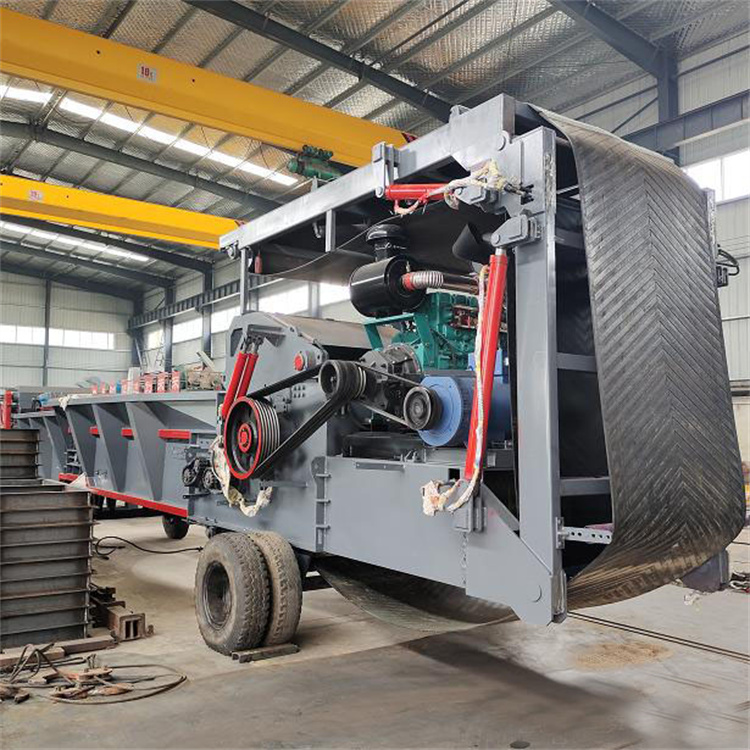
A biomass shredder tears materials apart using shear force — think of it like giant scissors or a slow‑speed ripping action. It handles mixed, bulky, or contaminated waste without complaining. It’s the workhorse for messy feedstocks.
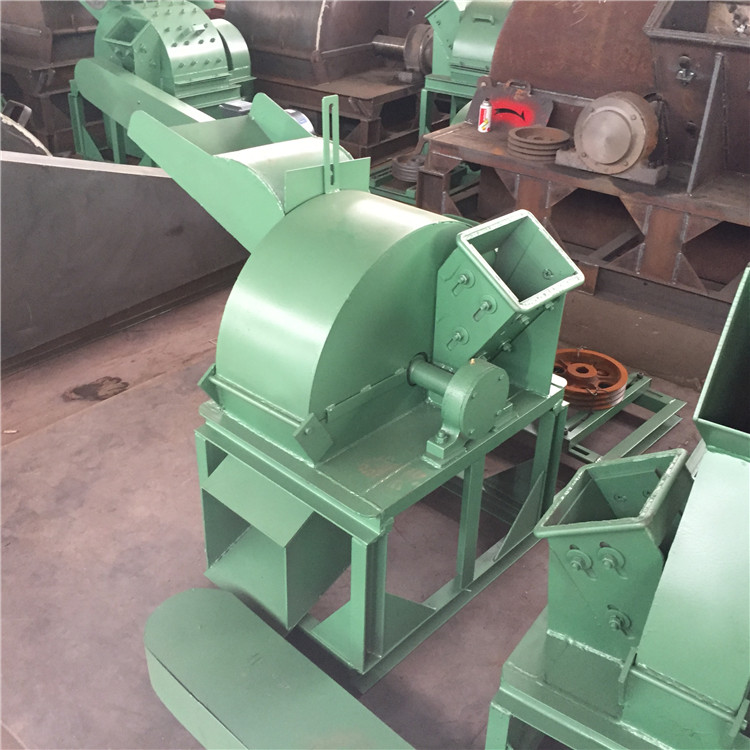
A wood crusher, on the other hand, uses impact and grinding — hammers, rollers, or high‑speed blades to pulverize material into fine particles like sawdust or powder. It’s the precision tool for producing uniform, fine output.
One manufacturer that produces both types is Henan Manto Machinery Equipment Co., Ltd. (also referred to as Henan Manto Machinery). They offer a range of wood crushers designed for high‑capacity, continuous operation in demanding environments. But as we’ll see, even within a single manufacturer’s lineup, the choice depends entirely on what you’re processing and what you need to produce.
Output: Chips vs Sawdust
This is the most obvious difference — and probably the most important for your decision.
A biomass shredder produces irregular, torn pieces — strips or blocks that vary in size. It’s about volume reduction, not precision. If you’re feeding a biogas plant, composting operation, or just need to reduce bulk for easier transport, this is often sufficient.
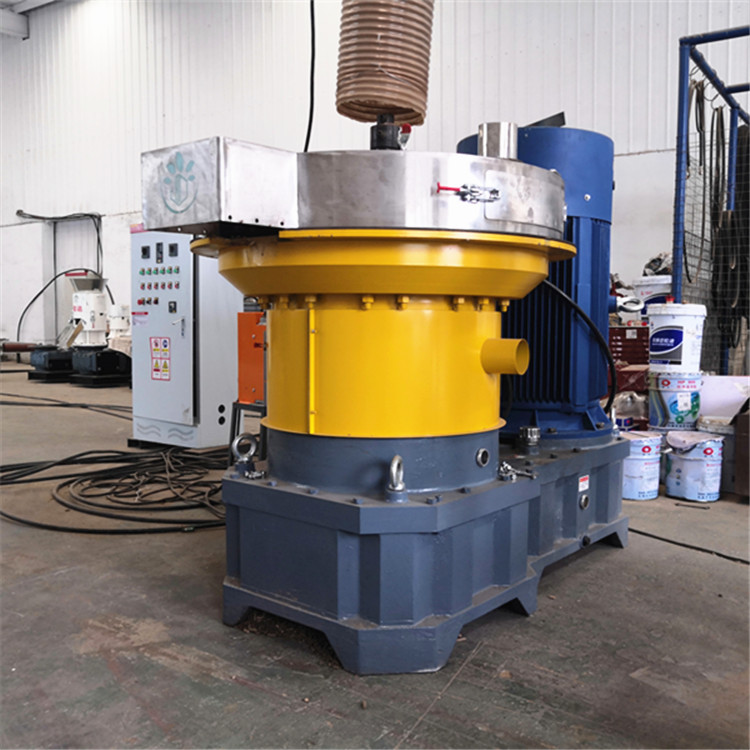
A comprehensive wood crusher produces fine, uniform particles — sawdust or wood powder. This consistency is critical for pellet manufacturing, briquette production, and charcoal making. If your end product requires a specific particle size, a crusher is non‑negotiable.
Henan Manto Machinery explains this distinction clearly on their website: wood chippers produce consistent chip‑like pieces, while wood crushers produce fine particles like sawdust. Once you know your required output size, half your decision is already made.
Feedstock: What Are You Putting In?
The second major factor is what you’re feeding into the machine. Not all wood waste is created equal.
Biomass shredders are designed for mixed, bulky, or contaminated materials. They can handle:
-
Straw, rice husks, and agricultural residues
-
Tree bark and mixed forestry waste
-
Pallets with nails and other contaminants
-
Large, awkward shapes that would choke a crusher
If your feedstock is unpredictable, a shredder is your friend. It’s forgiving.
Wood crushers prefer cleaner, more uniform materials. They excel at processing:
-
Logs and branches
-
Wood processing offcuts and slats
-
Sawmill waste and lumber scraps
-
Bamboo and crop straw
A disc wood crusher from Henan Manto Machinery, for example, processes logs, branches, and lumber into uniformly sized wood chips. But it’s not designed for contaminated waste — nails and metal will damage the blades.
How They Actually Work
Understanding the mechanism helps explain why each machine behaves the way it does.
A biomass shredder uses slow‑speed, high‑torque rotating shafts with cutting knives that shear and tear the material. It’s a brute‑force approach — powerful but not particularly precise. The slow speed means less dust and noise, and it’s less likely to jam on difficult materials.
A wood crusher operates at high speed, using impact to pulverize material. A disc‑type wood crusher, for instance, uses a high‑speed rotating alloy steel disc to drive flying blades that cut and shred wood. This produces finer, more uniform output but generates more dust and requires sharper blades.
Henan Manto Machinery notes that wood chippers use sharp blades to cut and slice, while wood crushers use hammers or rollers to crush and grind. This difference affects not only output but also efficiency and maintenance.
Energy Consumption and Efficiency
If you’re running a commercial operation, energy costs matter.
Research shows that drum chippers use about 18% more energy per oven‑dry tonne compared to disc chippers. While this study focuses on chippers specifically, the principle holds across size‑reduction equipment: finer output generally requires more energy.
A biomass shredder‘s slow‑speed, high‑torque design is relatively energy‑efficient for the volume it processes. It’s about reducing bulk, not creating fine powder.
A wood crusher requires more energy to achieve fine particles, but the value of that consistent output often justifies the cost. If you’re selling sawdust or wood powder, the higher energy consumption is simply the cost of doing business.
Applications: Where Does Each Shine?
Let me give you some real‑world scenarios so you can see which machine fits your situation.
Choose a biomass shredder if:
-
You’re processing mixed agricultural and forestry waste
-
You need to reduce volume for transport or composting
-
Your feedstock includes contaminants like nails, stones, or dirt
-
You’re feeding a biogas plant or anaerobic digester
-
You need a forgiving machine that won’t jam on awkward shapes
Choose a wood crusher if:
-
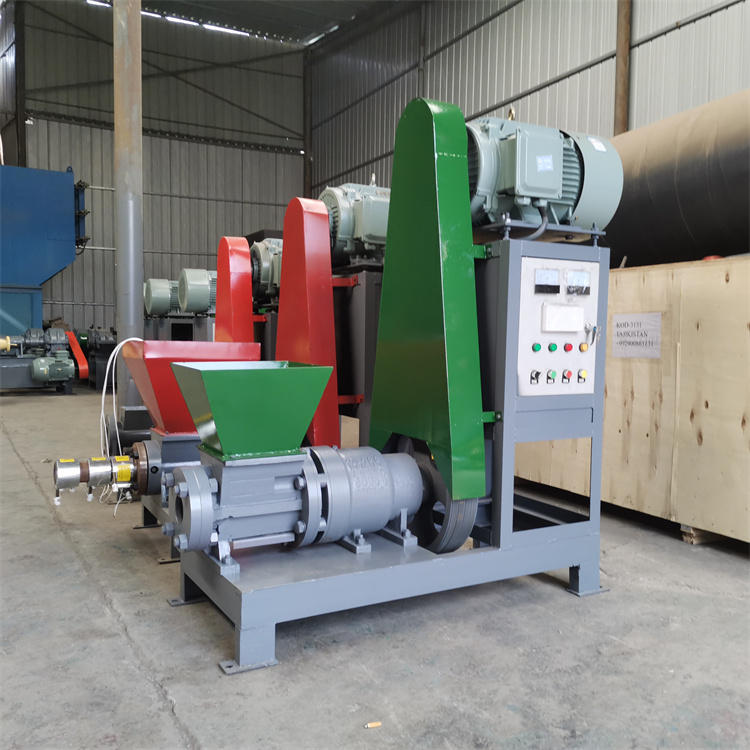
You’re producing charcoal, pellets, or briquettes
-
You need uniform, fine output like sawdust or wood powder
-
Your feedstock is relatively clean — logs, branches, offcuts
-
You’re in an industry like papermaking, engineered wood, or biomass fuel preparation
-
Consistency and precision matter more than raw throughput
The versatile wood crushers from Henan Manto Machinery efficiently process agricultural and forestry waste, including branches, bark, wood chips, corn cobs, crop straw, coconut shells, palm fruit, and coffee husks. This makes them a strong choice for biomass operations that need fine, uniform output from a variety of clean feedstocks.
Maintenance and Longevity
Both machines require maintenance, but the nature of that maintenance differs.
Biomass shredders have relatively simple maintenance — regular lubrication, checking shear bars, and occasional blade replacement. The slow‑speed operation means less wear on components.
Wood crushers require more frequent blade maintenance. High‑speed impact dulls blades faster, and you’ll need to sharpen or replace them regularly. Henan Manto Machinery emphasizes that their wood crushers are built with hardened blades for demanding commercial use, with auto‑feed systems and dust suppression to meet environmental standards. This kind of robust construction can significantly extend service life.
If you process abrasive materials or operate continuously, factor in the cost and frequency of blade maintenance when making your choice.
Cost and ROI Considerations
Initial purchase price is only part of the equation.
Biomass shredders typically have a lower upfront cost but may not produce the fine output you need for high‑value products.
Wood crushers require a larger initial investment but can generate significantly higher returns if you’re selling sawdust, wood powder, or pellets.
Consider your revenue stream. If you’re just reducing waste for disposal, a shredder might be the more cost‑effective choice. If you’re turning waste into a saleable product, a crusher’s higher output quality can justify the extra expense.
Making the Final Decision
Here’s my practical advice for choosing between a biomass shredder and a wood crusher:
-
Start with your output. What particle size do you need? Chips and flakes, or sawdust and powder? This single question eliminates one option immediately.
-
Audit your feedstock. Is it clean and uniform, or mixed and contaminated? Shredders handle the messy stuff; crushers demand cleaner material.
-
Consider your end market. Are you selling your output? Higher‑quality sawdust commands a premium price that can offset a crusher’s higher operating costs.
-
Think about volume. For very high throughput, a shredder’s brute‑force approach might be more efficient. For precision work, a crusher is non‑negotiable.
-
Talk to a manufacturer. Companies like Henan Manto Machinery Equipment Co., Ltd. have experience across both machine types and can help you match equipment to your specific needs.
Conclusion
The choice between a biomass shredder and a wood crusher isn’t about which machine is “better” — it’s about which machine is right for you. Shredders excel at handling mixed, contaminated, bulky waste with minimal fuss. Crushers deliver the fine, uniform output that premium products demand.
Take the time to assess your feedstock, your output requirements, and your budget. Test the equipment with your actual material if possible. And don’t hesitate to reach out to experienced manufacturers — they’ve seen every scenario and can steer you toward the right solution.
Whether you choose a biomass shredder for its versatility or a wood crusher for its precision, the right machine will turn your wood waste from a liability into a valuable asset.