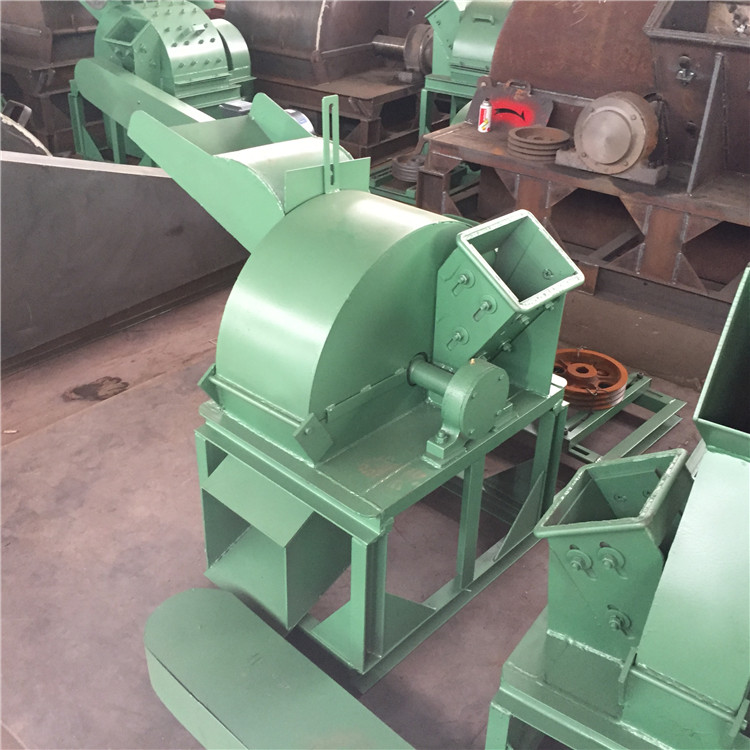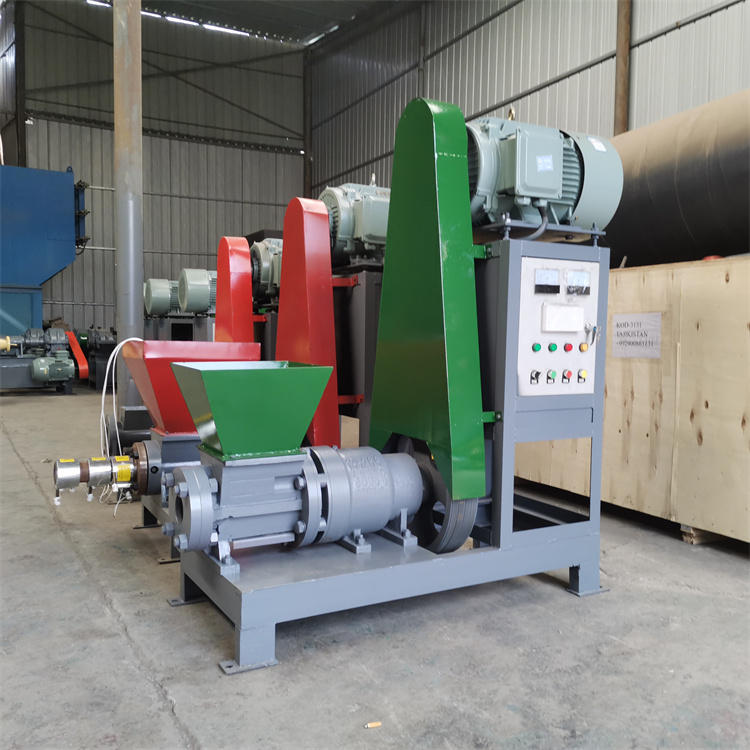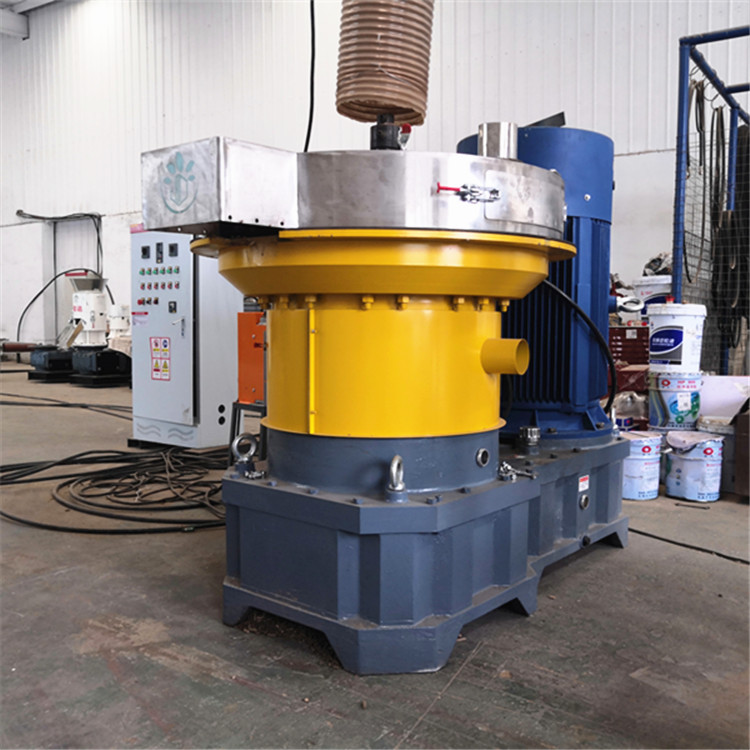
If you‘ve ever run a logging operation, you know the drill: after the valuable timber comes down, you’re left with mountains of slash — branches, tops, cull logs, and other residue. Hauling it off-site is expensive. Burning it is increasingly restricted. Leaving it piled up is a fire hazard and a waste of potential revenue. So what‘s the smart move? You chip it on‑site. But not with any machine — you need a heavy-duty wood chipper built specifically for the relentless demands of logging operations.
After spending years talking to forestry contractors and sawmill owners, I’ve seen what works (and what breaks) on real job sites. In this guide, I‘ll walk you through the key differences between drum and disc chippers, explain why mobility matters, and help you choose the right machine for your forestry operation. I’ll also introduce you to a manufacturer that has been gaining serious traction among timber professionals — Henan Manto Machinery Equipment Co., Ltd. (also known as Henan Manto Machinery).
Why Logging Operations Need Heavy-Duty Wood Chippers
When you‘re working in the bush, every minute counts. You don’t have time to baby a machine or wait for repairs. A proper logging wood chipper doesn‘t just get rid of slash — it transforms your waste into valuable assets:
-
Biomass fuel – Chips sold to power plants or pellet mills create an extra revenue stream.
-
Land clearing efficiency – On‑site chipping eliminates costly hauling and landfill fees.
-
Forest health – Removing fine debris reduces fire fuel loads and pest habitat.
Contractors who integrated chipping into their workflow report cutting waste disposal costs by up to 70% and generating thousands in additional monthly revenue from chip sales. But that only happens with the right machine.
Drum Chipper vs Disc Chipper: Which Is Best for Logging?
This is the first big decision. Both have their place in forestry, but the terrain and timber type matter.
Drum Wood Chipper
A drum chipper uses a heavy rotating drum mounted with knives. As the drum spins, material is pulled in, cut against a fixed anvil, and thrown out the discharge. Drum chippers are absolute beasts for large‑volume processing of crooked branches, whole trees, and wet hardwood.
Why loggers love drum chippers:
-
High throughput – Feed whole tree tops without constant trimming.
-
Forgiving of wet or crooked wood – The drum’s momentum pulls in material.
-
Self‑feeding – Once engaged, the machine pulls material through on its own.
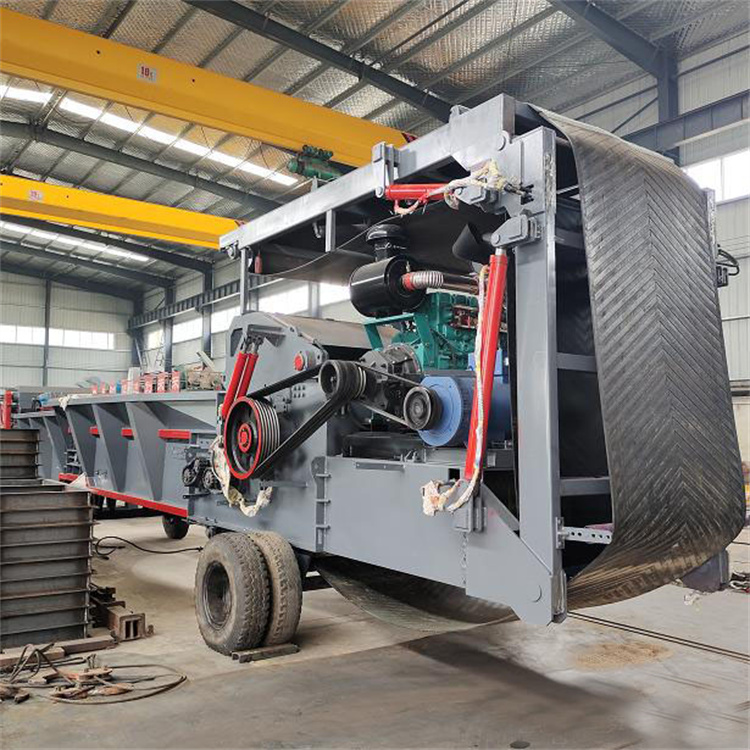
For large‑scale forestry operations, a diesel-powered mobile drum chipper is often the go‑to choice. Henan Manto Machinery offers models capable of handling logs up to 300 mm in diameter, with production capacities ranging from 5–20 tons per hour and power outputs of 155–380 HP. These machines combine high‑torque chipping capability with complete mobility, allowing you to process large logs and whole trees directly on‑site in remote forest areas.
Disc Wood Chipper
A disc chipper uses a large steel disc with knives mounted on its face. Material is fed into the disc, and the spinning action slices uniform chips off the end. Disc chippers produce very consistent chip sizes — ideal if you‘re selling to paper mills or biomass plants that have strict spec requirements.
Where disc chippers excel:
-
Uniform chip quality – Perfect for premium biomass markets.
-
Lighter weight – Easier to tow behind a standard truck.
-
Lower initial cost for comparable capacity.
However, disc chippers struggle with crooked or heavily branched material. If your logging site has a lot of tangled slash, a drum chipper is usually the better bet.
Mobile vs Crawler: Mobility Matters in the Bush
You’re not working in a factory. You‘re working on uneven ground, muddy slopes, and tight landings. Your chipper needs to go where the timber is.
Mobile (Wheeled/Tow‑Behind) Wood Crushers
A mobile wood crusher is towed behind a truck or tractor. It’s the most common setup for medium‑to‑large logging operations because you can leave it hitched, drive to the landing, and start chipping within minutes. Diesel‑powered mobile units are especially valuable for remote forestry work where electricity is unavailable.
Crawler (Track‑Mounted) Chippers
When the ground gets truly rough, a crawler tree branch chipper is a game‑changer. Its track‑mounted chassis provides superior stability and traction on steep slopes, muddy ground, and uneven terrain. These machines can handle logs up to 180 mm in diameter and process 1–4 tons per hour, all while navigating conditions that would leave a tow‑behind unit stuck.
If you’re operating in mountainous terrain or during the rainy season, a crawler chipper is worth every extra penny. The ability to reach the work site and crush branches on the spot without getting bogged down translates directly into more uptime and higher profitability.
What Capacity Do You Actually Need for Logging?
Let‘s talk numbers. You don’t want to overspend on a monster machine you‘ll never fully use, but undersizing kills productivity when you have a landing full of slash waiting to be processed.
Here’s a practical guide based on real logging operations:
| Operation Size | Recommended Capacity | Max Log Diameter | Power |
|---|---|---|---|
| Small crew (1–2 skidders) | 5–10 t/h | 200–230 mm | 100–155 HP |
| Medium crew (3–5 skidders) | 10–20 t/h | 230–300 mm | 155–250 HP |
| Large operation (6+ skidders) | 20–50 t/h | 300 mm+ | 250–400 HP |
For most medium‑scale logging contractors, a drum chipper in the 15–20 t/h range hits the sweet spot — enough capacity to keep up with production without breaking the bank on fuel and maintenance.
Key Features to Look For in a Logging Chipper
After too many late‑night repair sessions in the woods, here‘s what I’ve learned matters most. Don‘t buy a machine that skimps on any of these:
1. Alloy or Hardened Blades
Logging chippers eat a lot of abrasive material — dirty logs, bark, occasional rocks. Cheap blades dull within hours. Look for high‑speed alloy or tungsten carbide‑treated blades that can handle continuous operation. Henan Manto Machinery equips their chippers with precision‑engineered hardened blades, ensuring efficient cutting even under heavy continuous workloads.
2. Self‑Feeding System
A hydraulic feed roller that senses engine load and automatically pulls material in is non‑negotiable for productivity. Without it, you‘ll have one guy feeding and another constantly clearing jams. With it, one operator can keep the machine running steadily while managing the landing.
3. Mobility and Terrain Adaptability
If you’re working on rough ground, a crawler chassis or heavy‑duty wheels with proper tires are essential. Machines with strong terrain adaptability can handle everything from forest floors to muddy skid trails without getting stuck.
4. Easy Knife Access and Maintenance
You will hit metal. You will hit rocks. When that happens, you need to change knives fast. Look for a design where the knife pocket is accessible without disassembling half the machine. Some models allow a full knife change in 20 minutes — others take two hours. That‘s lost production time.
5. Magnetic Separator
A magnet over the infeed conveyor catches nails, wire, and broken saw blades before they reach the drum. This simple feature saves thousands in blade replacement costs over a season.
Real‑World Example: Making Slash Pay
A logging contractor in the Pacific Northwest used to pile and burn all his slash — about 50 tons per week. The cost? Burning permits, labor for piling, and the lost opportunity of selling those chips. He switched to a heavy-duty wood crusher for industrial use and now processes his slash into uniform wood chips sold to a local biomass power plant. The machine paid for itself in eight months.
Another operation in the southeastern US runs a Henan Manto Machinery diesel mobile drum chipper right behind their feller‑buncher. They process tops and limbs immediately, leaving a clean landing and producing saleable chips that offset their operating costs. The key was choosing a machine with enough mobility to move between landings quickly.
Maintenance Tips to Keep Your Chipper Running in the Bush
You‘re working in remote conditions. When a machine breaks down, help might be hours away. Here’s how to stay ahead of problems:
-
Daily greasing – Hit every bearing fitting before the first log of the day. Use a battery‑powered grease gun.
-
Knife check every shift – Dull knives reduce throughput by 30–50% and waste fuel. Keep a spare set and swap them out when you see rounding on the cutting edge.
-
Hydraulic oil and filter changes – Every 50 operating hours in dusty conditions. Use antifreeze hydraulic oil during winter operations.
-
Clean the feed system – Debris buildup can jam rollers and cause uneven feeding.
-
Inspect the discharge chute – Cracks at the welds happen on rough terrain; catch them early before they become a blowout.
Cost vs Value: What Should You Expect to Pay?
Heavy‑duty chippers for logging don‘t come cheap, but the ROI is real. Here’s a current price range (2026):
-
Used, well‑maintained drum chipper: $25,000 – $60,000
-
New mid‑range tow‑behind drum chipper (like Henan Manto Machinery models): $40,000 – $80,000
-
New premium brand (Bandit, Morbark, Vermeer): $80,000 – $150,000
-
Crawler (track‑mounted) chipper: $60,000 – $120,000
Chinese manufacturers like Henan Manto Machinery have closed the quality gap significantly. Their machines now use hardened steel components and offer spec sheets that compete directly with premium brands — typically at 30–40% lower cost. The key is ensuring that spare parts are available locally or through a responsive international shipping partner.
Conclusion: Which Wood Chipper Is Best for Your Logging Operation?
The right machine depends on your terrain, timber type, and budget:
-
For large‑scale forestry with big‑diameter hardwood – A diesel mobile drum chipper with 15–20 t/h capacity is your best bet. Look for alloy blades, a self‑feeding system, and mobility to move between landings.
-
For rough, uneven ground – A crawler tree branch chipper provides the stability and traction you need to keep working through muddy conditions.
-
For producing premium uniform chips – A disc wood chipper gives you consistent sizing that biomass plants and paper mills prefer.
-
For cost‑conscious buyers – A mid‑range tow‑behind drum chipper from a reliable manufacturer offers 80% of the performance at half the price.
Before you buy any industrial wood chipper for your forestry operation, rent or demo the model you‘re considering. Feed it the nastiest, crookedest, dirtiest slash you have. See how it handles, how easy it is to clear a jam, and whether your crew actually wants to run it. A machine that sits parked because nobody likes feeding it is a machine that’s losing you money.
Get the right chipper, treat it well, and it‘ll turn your logging residue from a liability into an asset — sometimes paying for itself within a single season. Choose poorly, and you’ll be cursing it every time you look at a pile of branches.