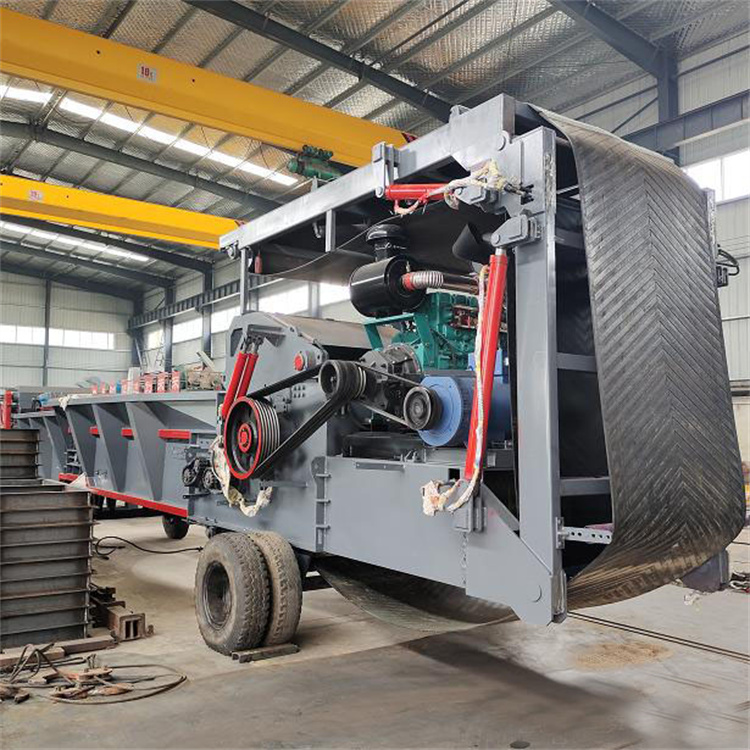
If you’re in the business of processing wood waste, you’ve probably asked yourself this question: biomass grinder vs wood crusher machine — which one do I actually need?
The names sound similar. Both machines take wood and reduce it to smaller pieces. But they operate in fundamentally different ways, and the results are not interchangeable. Choosing the wrong one can mean wasted money, inefficient production, and constant frustration.
I’ve spent years helping businesses select the right size-reduction equipment for their operations. In this guide, I’ll break down the key differences between a biomass grinder and a wood crusher machine — how they work, what they produce, what they cost to run, and which one is right for your specific application.
Understanding the Basics: What Does Each Machine Do?
Before we dive into the comparison, let’s get clear on what each machine actually does.
What Is a Wood Crusher Machine?
A wood crusher (also called a wood chipper or wood shredder) uses sharp knives mounted on a rotating drum or disc to cut, slice, and break wood into uniform chips or flakes. The cutting action is clean and produces relatively uniform particles.
Common applications:
-
Producing wood chips for biomass fuel
-
Creating mulch for landscaping
-
Preparing material for particleboard or MDF production
-
Processing logs, branches, and lumber scraps
Key characteristics:
-
Output size: 5–50 mm (adjustable by screen or knife gap)
-
Moisture tolerance: up to 40% (can handle wet or green wood)
-
Produces low fines, uniform chip shape
-
Uses sharp knives that need regular sharpening
What Is a Biomass Grinder?
A biomass grinder uses high-speed rotating hammers or blades to pulverize wood into fine particles or powder. The action is repetitive impact and shearing, which generates more heat and dust.
Common applications:
-
Producing wood flour for animal feed or pellets
-
Fine grinding for biochar preparation
-
Processing agricultural residues like corn stalks, rice husks, and straw
-
Recycling pallets and waste wood boards
Key characteristics:
-
Output size: 0.5–10 mm (screen-controlled)
-
Moisture tolerance: best below 15%; wet material clogs screens
-
Higher dust generation, more wear on hammers
-
Uses hammers that can operate with blunt edges
Head-to-Head Comparison: 6 Key Differences
1. Mechanism of Action
The most fundamental difference is how each machine reduces material.
Wood crusher: Cuts and slices with fixed knives on a rotor. Material is cut cleanly once to size. The action is similar to a giant pair of scissors — precise and efficient.
Biomass grinder: Impacts and shears with free-swinging hammers or grinding teeth. Material is struck repeatedly until it passes through a screen. The action is more like a mortar and pestle — repetitive and forceful.
This difference affects everything else downstream.
2. Output Particle Size and Uniformity
If you need uniform chips, a wood crusher is your machine. It produces consistent chip-like pieces in the 5–50 mm range. Disc chippers, in particular, are known for producing very uniform chips favored by pulp and paper mills.
If you need fine powder or small granules (under 5 mm), you need a biomass grinder. A high-capacity wood grinder can reduce material to sawdust or powder consistency.
Bottom line: Crusher for chips, grinder for powder.
3. Moisture Tolerance
This is where the two machines diverge dramatically.
Wood crushers can handle up to 40% moisture. They can process freshly cut logs, green branches, and wet palm EFB without significant issues. The cutting action doesn’t rely on the material being dry.
Biomass grinders struggle with wet material. Moisture above 15% causes screens to clog and hammers to lose effectiveness. Grinders work best with dry wood — brittle wood typically fractures with less energy compared to fresh, more ductile wet wood.
Bottom line: Crusher for wet or green wood; grinder for dry material.
4. Energy Consumption
Research consistently shows that chipping is more productive and requires less energy than grinding for machinery with nominal power up to 300 kW.
One study found that chipping small trees or residues lowers productivity and increases energy demand compared to processing logs. The specific net fuel consumption for hammers is about 60% higher than for knives.
A wood crusher, with its sharp knives and clean cutting action, transmits energy efficiently into the material. A grinder, with its repetitive impact action, consumes more energy to achieve finer output.
Bottom line: Crushers are more energy-efficient for most applications.
5. Maintenance and Wear Parts
This is where the ongoing costs really differ.
Wood crushers use sharp knives that need regular sharpening or replacement. Dull knives reduce efficiency and produce poor-quality chips. However, knives can typically be reversed and reground multiple times before replacement. The knives require, depending on the processed material, 2 to 20% less net energy than hammers.
Biomass grinders use hammers that wear down through impact. While hammers can operate with blunt edges — which means grit and gravel don’t affect them as much as they do a chipper — they have higher replacement frequency. Operating costs for grinders are generally higher due to hammer/screen replacement frequency and higher energy consumption per ton.
Bottom line: Crushers have higher knife maintenance but lower overall operating costs; grinders have higher wear-part costs.
6. Feedstock Versatility
This may be the deciding factor for many operations.
Wood crushers work best with clean, virgin wood. They excel at processing straight logs. But they struggle with contaminated feed — wood with dirt, rocks, or embedded metal will quickly dull chipper knives. Crooked branches, logging residuals, and odd-sized pieces are also problematic.
Biomass grinders are far more forgiving. Grinders tend to handle irregular pieces more efficiently. They are a good choice for contaminated wood because they can use hardfaced teeth designed for abrasive materials. Grinders are preferred when dealing with contaminated wood, whereas chippers are only used with clean wood.
Bottom line: Crusher for clean, straight wood; grinder for mixed, contaminated, or irregular feedstocks.
Which Machine Is Right for Your Operation?
Here’s my practical advice for choosing between a biomass grinder and a wood crusher.
Choose a Wood Crusher If:
-
You process clean, virgin wood — logs, branches, lumber scraps
-
You need uniform chips (5–50 mm) for biomass fuel, mulch, or particleboard
-
Your feedstock is relatively straight and regular
-
Energy efficiency is a priority
-
You’re willing to invest in regular knife sharpening
Companies like Henan Manto Machinery Equipment Co., Ltd. offer a range of wood crushers designed for clean wood processing. Their comprehensive wood crusher can process logs up to 40 cm in diameter with a capacity of 3–40 tons per hour.
Choose a Biomass Grinder If:
-
You process mixed, contaminated, or irregular feedstocks
-
You need fine particles (under 5 mm) for pellets, animal feed, or biochar
-
Your material is often wet and needs drying first
-
You process agricultural residues like straw, rice husks, or corn stalks
-
You need a machine that can operate with blunt teeth in abrasive conditions
Henan Manto Machinery Equipment Co., Ltd. also offers high-capacity wood grinders designed for industrial applications, processing logs, pallets, branches, and waste wood boards.
The Hybrid Approach
Some operations benefit from having both machines. A wood crusher can do primary size reduction (producing chips), and a biomass grinder can do secondary fine grinding. This staged approach maximizes efficiency and extends the life of both machines.
Real-World Examples
Example 1: Sawmill — A sawmill generates clean lumber scraps and offcuts. A wood crusher turns these into uniform chips sold to a biomass power plant. The clean feedstock and need for consistent chips make a crusher the obvious choice.
Example 2: Landscaping Company — A landscaping crew processes branches, leaves, and mixed green waste. Some material contains dirt and rocks. A biomass grinder handles the mixed, contaminated feedstock without constant blade changes. The grinder produces mulch and compost material.
Example 3: Wood Pellet Plant — A pellet plant requires fine sawdust as feedstock. They use a wood crusher for primary chipping, then a biomass grinder for final fine grinding. This two-stage approach is more efficient than trying to do everything with one machine.
Summary Comparison Table
| Feature | Wood Crusher | Biomass Grinder |
|---|---|---|
| Mechanism | Cutting/slicing with knives | Impact/shearing with hammers |
| Output size | 5–50 mm (chips) | 0.5–10 mm (powder) |
| Moisture tolerance | Up to 40% | Best below 15% |
| Energy consumption | Lower | Higher |
| Maintenance | Knife sharpening | Hammer replacement |
| Best feedstock | Clean, straight wood | Mixed, contaminated, irregular |
| Noise level | Higher peaks at lower frequencies | Lower overall noise |
| Initial investment | Generally 20–40% higher | Generally lower |
Conclusion
The choice between a biomass grinder and a wood crusher machine isn’t about which machine is “better” — it’s about which machine is right for you.
If you process clean, straight wood and need uniform chips, a wood crusher is your best bet. If you handle mixed, contaminated, or irregular materials and need fine particles, a biomass grinder is the way to go.
Henan Manto Machinery Equipment Co., Ltd. offers both types of equipment, designed for heavy continuous use with hardened components, auto-feed systems, and dust suppression to meet environmental standards. Whether you choose a crusher for its efficiency or a grinder for its versatility, the right machine will turn your wood waste from a liability into a valuable asset.
Take the time to assess your feedstock, your output requirements, and your budget. Test the equipment with your actual material if possible. And don’t hesitate to reach out to experienced manufacturers — they’ve seen every scenario and can steer you toward the right solution.