Skip to content
Let me be straight with you: buying an industrial wood chipper is a significant investment. It’s not like picking up a $600 residential chipper from a big-box store. We’re talking about machines that can cost anywhere from a few thousand dollars to well over $100,000. And if you make the wrong choice, you’re not just out a chunk of change — you’re looking at lost productivity, expensive downtime, and a machine that doesn’t fit your operation.
I’ve spent years helping buyers navigate this market, and I’ve seen the same mistakes repeated over and over. Buyers focus on the sticker price and ignore the total cost of ownership. They choose the wrong type of chipper for their material. They forget to factor in maintenance, blades, and power requirements.
This guide is designed to change that. I’ll walk you through what an industrial wood chipper actually costs in 2026, break down the factors that drive those prices, and give you a framework to make a smart, informed purchase.
2026 Industrial Wood Chipper Price Tiers
Let’s start with the numbers you came here for. In 2026, industrial wood chipper prices fall into three core categories based on processing capacity and application scale.
Entry‑Level Stationary Chippers: $3,000 – $10,000
These are compact, fixed‑location machines designed for small‑scale operations. Think local sawmills, landscaping firms, and small biomass facilities.
-
Diameter capacity: 15–20 cm
-
Hourly output: 1–5 tons
-
Power: 15–50 HP electric or diesel engines
-
Features: Basic drum or disc chipping systems, manual feeding
These units offer a budget‑friendly entry into industrial chipping. They’re ideal for low‑volume, on‑site wood waste processing. But don’t expect them to handle heavy‑duty, continuous operation.
Mid‑Range Mobile & Towable Chippers: $10,000 – $40,000
This is the most popular segment in 2026. These chippers balance performance with mobility. You’ll find them as towable PTO (power take‑off) units or self‑propelled models.
-
Diameter capacity: 20–40 cm
-
Hourly output: 5–15 tons
-
Key features: Hydraulic roller feed systems, durable alloy steel blades, basic smart controls
-
Mobility options: Towable, tracked, or wheeled chassis ($10,000–$40,000)
These machines serve medium forestry operations, municipal green waste management, and medium biomass plants. If you’re a growing operation that needs to move between sites, this is likely your sweet spot.
High‑Capacity Heavy‑Duty Chippers: $40,000 – $100,000+
These are the workhorses of the industry. Designed for large‑scale industrial use, they dominate forestry harvesting, large biomass power plants, and pulp and paper facilities.
-
Diameter capacity: 50+ cm
-
Hourly output: 15–25+ tons
-
Features: Advanced drum chipping systems, IoT‑enabled remote monitoring, auto‑adjusting feed controls, heavy‑duty hydraulic systems
Top brands like Morbark, Bandit, and Vermeer lead this segment, with prices reaching $100,000 for fully integrated, high‑output models. If you’re running a large‑scale commercial operation, this is where you’ll be shopping.
Drum Chipper vs Disc Chipper: A Critical Price Difference
One of the biggest decisions you’ll make — and one that significantly impacts price — is choosing between a drum chipper and a disc chipper.
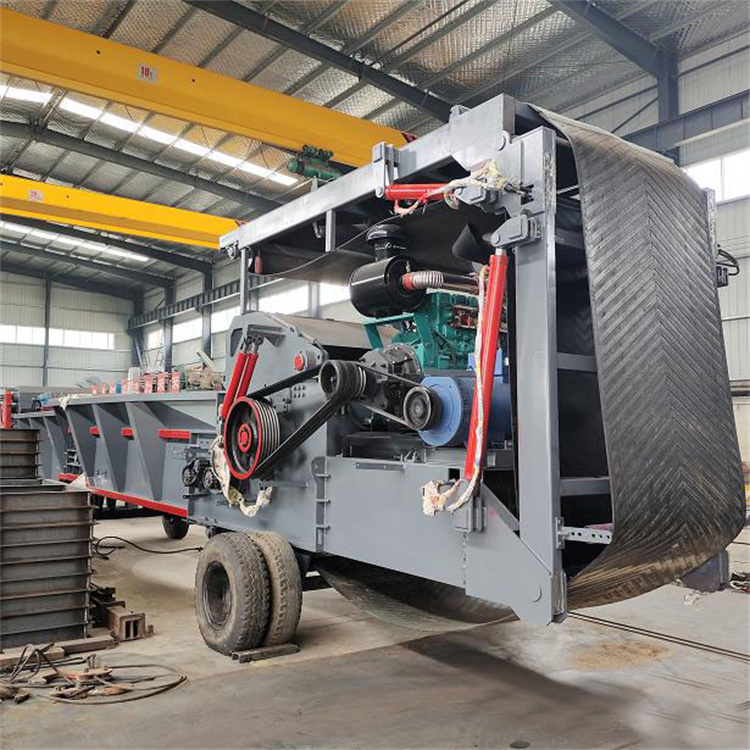
Drum chippers are preferred for high‑volume, rough wood processing. They’re built tough, with stronger construction and higher torque. That durability comes at a cost: drum chippers typically run 15–25% more expensive than disc models of similar capacity. However, drum chippers are designed for durability and field serviceability, which can minimize hidden costs over the long run.
Disc chippers, on the other hand, are more suitable for small and medium‑sized processing plants. They offer a more budget‑friendly price point. But disc chippers present more complex and costly maintenance challenges — blades wear unevenly, and the disc may need rebalancing.
The bottom line? If you’re processing large volumes of mixed, rough wood, a drum chipper is worth the premium. If you’re a smaller operation focused on clean, uniform material, a disc chipper can save you money upfront.
Key Factors That Shape Industrial Wood Chipper Prices
Beyond the basic capacity, several variables drive pricing in 2026.
1. Chipping Technology & Design
Advanced features like hydraulic stress control, auto‑feeding, and variable chip‑size adjustment can add 20–30% to the base price. But these features boost productivity and reduce labor costs, often paying for themselves over time.
2. Power Source & Mobility
Electric‑powered chippers cost 10–15% less upfront, but they require fixed power access. Diesel‑powered units, offering portability for remote sites, carry a 15–20% premium.
Self‑propelled models with tracked or wheeled chassis add $5,000–$20,000 compared to stationary or towable units. If you’re working in remote forestry sites or construction zones, that mobility is worth every penny.
3. Material & Component Quality
High‑chromium alloy steel blades and wear‑resistant liners extend service life but increase costs by 20–30%. Premium hydraulic components and heavy‑duty frames further elevate prices.
Brand reputation also plays a role. Top international brands command a 15–20% premium over domestic manufacturers, justified by reliability and after‑sales support.
4. Smart & Eco Features
2026 is seeing growing demand for IoT‑enabled remote monitoring, automated feed controls, and emissions‑reduction technologies. These features add to the upfront cost but can significantly reduce operating expenses over the machine’s life.
5. Raw Material Type and Configuration
The price of a wood chipper isn’t fixed. It’s jointly affected by multiple factors, including equipment type, processing capacity, configuration specifications, raw material type, power mode, and additional requirements.
For example, a wood chipper with a processing capacity of 5 tons per hour is priced significantly higher than a 2‑ton‑per‑hour model. Feed inlet size, number of blades, discharge particle size, and motor power all influence the final price.
The Real Cost: Beyond the Sticker Price
Here’s something many buyers overlook: the purchase price is just the beginning.
Maintenance costs increase with machine age and can be predicted quite accurately. Chippers are high‑maintenance equipment and require proper care. Blades need regular sharpening or replacement. Hydraulic systems need servicing. Engines need oil changes.
If you’re buying from an overseas supplier, factor in shipping, customs, and import duties. One buyer from Kenya bought a $5,000 wood chipper that broke within two weeks. The supplier disappeared. That cheap machine became a very expensive lesson.
That’s why choosing a reputable manufacturer matters. Henan Manto Machinery Equipment Co., Ltd., for example, offers models across all categories — from entry‑level to high‑capacity — with hardened blades, auto‑feed systems, and dust suppression to meet environmental standards. Their machines typically fall in the lower‑mid range, offering excellent value for money.
How to Choose the Right Industrial Wood Chipper for Your Budget
Here’s my practical advice for matching your needs to the right price point.
Step 1: Define Your Feedstock
What are you chipping? Clean logs? Mixed wood waste? Branches and forestry residue? Drum chippers handle varied feedstocks well. Disc chippers are ideal for uniform chips and precise output. If your material is unpredictable, a drum chipper is usually the safer bet.
Step 2: Calculate Your Throughput Needs
How many tons per hour do you need to process? Be realistic. A machine that’s too small will bottleneck your operation. A machine that’s too large wastes capital. The sweet spot for most growing operations is the mid‑range segment — $10,000–$40,000 for 5–15 tons per hour.
Step 3: Consider Mobility
Are you stationary or moving between sites? Towable PTO chippers start below $400 for small farm use, while advanced diesel crawlers exceed $25,000 for industrial forestry applications. If you’re working in remote areas, diesel‑powered mobile units are worth the premium.
Step 4: Factor in Total Cost of Ownership
Don’t just look at the purchase price. Ask about blade replacement frequency, energy consumption, maintenance intervals, and spare parts availability. A machine from Henan Manto Machinery is designed for heavy continuous use with wear parts and technical support to optimize your cost per ton.
Step 5: Get Multiple Quotes
Don’t settle for the first price you see. The global wood chipper market produced approximately 140,000 units in 2024, with an average global market price of around $2,500 per unit. But that average includes everything from small electric models to massive industrial units. Get quotes from at least three suppliers and compare specs line by line.
Common Mistakes to Avoid
-
Buying on price alone — The cheapest option is rarely the best value. You’ll spend more on downtime and repairs than you saved.
-
Ignoring power requirements — Some chippers need 200A three‑phase power that your site doesn’t have.
-
No spare parts strategy — A broken blade or belt can shut you down for weeks.
-
Skipping the test run — Always test the machine with your actual material before buying.
-
Underestimating maintenance — Blades need regular sharpening. Factor that into your budget.
Conclusion: Making Your Industrial Wood Chipper Investment Count
An industrial wood chipper is a major investment, but it’s also an investment that can pay for itself remarkably quickly if you choose wisely. The right machine turns wood waste into a valuable product — mulch, biomass fuel, or raw material for particleboard.
In 2026, you have more options than ever. Prices range from $3,000 for entry‑level stationary units to $100,000+ for high‑capacity industrial models. Your job is to match the machine to your operation — not the other way around.
Henan Manto Machinery Equipment Co., Ltd. offers a range of wood chippers across all price tiers, from compact stationary units to heavy‑duty drum chippers built for demanding commercial use. Their machines are engineered for durability, backed by spare parts support, and priced to deliver a solid return on investment.
Take the time to assess your feedstock, your throughput needs, and your budget. Get multiple quotes. Test the equipment. And don’t forget to factor in the total cost of ownership — not just the sticker price. The right industrial wood chipper will serve you for a decade or more. Choose carefully, and it’ll pay for itself many times over.