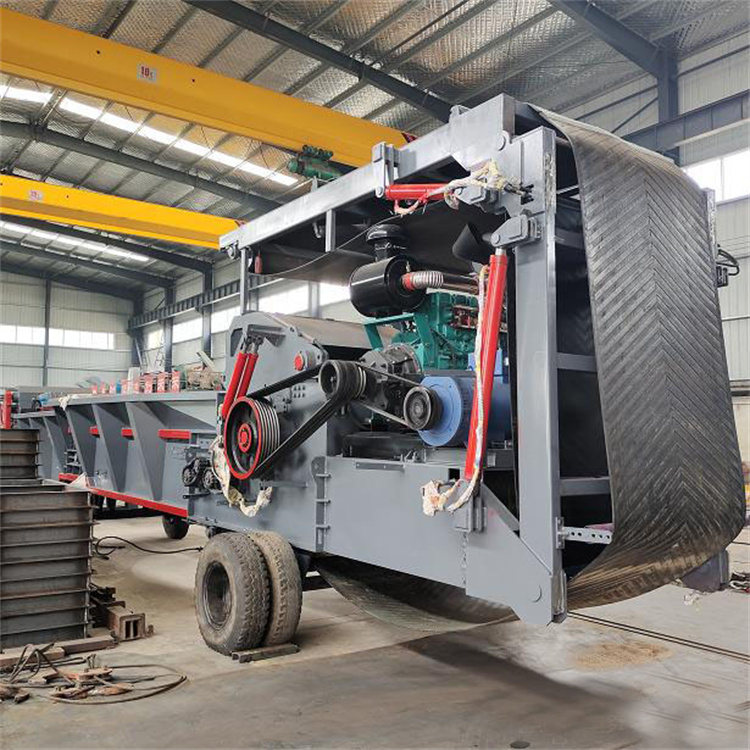
A biomass crusher runs under constant impact, vibration, and abrasive wear. Hammers strike wood at high speed, screens flex under load, and fine dust works its way into bearings and seals. When maintenance slips, the machine does not simply lose a little performance—it consumes more power per ton, produces inconsistent output, and eventually fails at the worst possible moment. The operators who avoid unplanned downtime are rarely the ones with the most sophisticated equipment. They are the ones who treat maintenance as a fixed part of the production schedule.
This guide covers the maintenance practices that matter most for biomass crusher machines: what to check daily, what wears and when to replace it, how to manage lubrication and bearings, and how to prevent the small problems that turn into major repairs.
Why Maintenance Determines Crusher Economics
A biomass crusher sits at the front of the production chain. If it stops, every downstream process stops with it—pellet mills, briquette presses, boilers, and drying lines all depend on a steady supply of properly sized material.
The economics of neglect are straightforward. Dull hammers and clogged screens require more horsepower for the same output, driving up energy costs. Loose bolts progress to misalignment, misalignment progresses to bearing failure, and bearing failure can damage the rotor or spindle beyond economical repair. Industry maintenance specialists consistently identify lack of lubrication and improper material processing as the two most common causes of unscheduled crusher repairs.
Good maintenance is not about doing more. It is about doing the right checks at the right intervals, so that wear is managed predictably instead of discovered suddenly.
Daily Checks Before and After Operation
The most valuable maintenance time is the five to ten minutes before startup and after shutdown. These checks catch problems while they are still small and inexpensive to correct.
Before starting the machine, walk around it and look for the obvious: loose bolts, fluid leaks, damaged guards, and anything that looks out of place. Vibration loosens fasteners over time, so pay particular attention to the bolts securing the cutting chamber and the frame. Inspect drive belts for cracking, fraying, or glazing, and confirm that pulleys are aligned. Check the grinding chamber—with power locked out—for leftover material or foreign objects that could damage hammers and screens on startup. Confirm that all safety guards and emergency stops are functional; never operate the machine with guards removed.
After shutdown, clean the machine while material is still soft and easy to remove. Residual biomass that dries and hardens inside the hopper, grinding chamber, or discharge chute becomes progressively harder to clear and restricts airflow and output. Use a brush, scraper, or compressed air to remove dust and debris from the exterior, around moving parts, bearings, and the motor area. Clean equipment runs cooler and is easier to inspect.
This daily routine is not glamorous, but it is the single most effective defense against unexpected breakdowns.
Managing the Wear Parts That Drive Performance
Every biomass crusher has a defined set of wear parts, and each has a predictable service life under given conditions. Managing those parts proactively is the core of crusher maintenance.
Hammers and Blades
Hammers are the primary grinding component. Under normal conditions—processing clean logs and branches without contaminants—alloy hammers and blades can last roughly 1,000 to 1,500 operating hours, equivalent to six to ten months of regular use. That service life shortens dramatically when the feed contains nails, hard wood, or abrasive grit; in those conditions, inspection and sharpening may be needed every three to five months, and hammers with chipped edges, deformation, or cracking should be replaced immediately.
Inspect hammers regularly for even wear. If the crusher uses reversible hammers, rotate them to use all cutting edges before replacement. Always replace hammers in complete sets rather than individually, because mismatched wear patterns unbalance the rotor and accelerate bearing damage.
Screens
The screen determines final particle size and is also a high-wear component. Inspect screens weekly or bi-weekly for cracks, holes, and excessive wear. A damaged screen allows oversized material to pass through, producing inconsistent output and forcing downstream equipment to work harder. Clean screens regularly with a wire brush or compressed air to remove accumulated resin and damp material, and rotate screens periodically to distribute wear evenly.
Under standard operating conditions, screen replacement is typically needed every 1.5 to 2 years, while wear liners protecting the grinding chamber last roughly two years. These intervals shorten with abrasive or contaminated feedstock, so visual inspection matters more than the calendar.
Anvil and Shear Bar
The anvil or shear bar works with the hammers to shear material cleanly. Inspect its cutting edge for sharpness and squareness, and adjust or replace it when worn to maintain the correct clearance with the hammers. A worn anvil increases energy consumption and produces a poorer-quality grind even when the hammers themselves are in good condition.
Lubrication and Bearing Care
Bearings carry the rotor’s load at high speed, and lubrication is their lifeline. The most common cause of unscheduled crusher repairs is insufficient lubrication, and bearing failure can quickly escalate into rotor damage.
Follow the manufacturer’s greasing schedule precisely. As a general guide, rotor bearings should be greased every 8 to 10 hours of operation, with sealed bearings receiving grease at longer intervals—often every 300 hours. Grease bearings while they are still warm after shutdown, when grease flows more readily into the bearing races. Keep grease fittings clean and accessible so that lubrication is not skipped because it is inconvenient.
Monitor bearing temperature during operation. A temperature rise exceeding 50°C above ambient is a warning sign that should not be ignored; stop the machine and investigate. Listen to the rotor bearings while the machine runs—grinding or rumbling noises indicate inadequate lubrication or the early stages of bearing failure. Even with proper lubrication, bearings have a finite life and should be replaced on a planned schedule rather than after a failure.
Cleanliness, Blockages, and Fire Prevention
Biomass dust is not just a nuisance. Accumulated dust around the motor, electrical panels, and hot surfaces creates a genuine fire risk, and blocked discharge areas reduce throughput while increasing load on the drive system.
Clean the discharge chute, hopper, and screen after every shift. Material that bridges or packs in these areas restricts flow and causes the crusher to work against itself. Pay particular attention to the area around the motor and electrical connections, where dust accumulation can cause overheating or electrical faults.
Fire prevention is part of maintenance. Keep the area around the crusher clear of accumulated biomass dust, inspect hoses and electrical connections for damage, and confirm that fire extinguishers are accessible and ready. A clean machine is a safer machine.
Belts, Rotor Balance, and Long-Term Health
Drive belts stretch and wear over time. Check belt tension weekly, and adjust it according to the manufacturer’s specification—too loose causes slippage and heat, too tight strains bearings. Inspect belts every six months for cracking or glazing, and replace them when worn. Confirm that pulleys remain aligned so that belts do not track off-center.
After multiple hammer changes, have the rotor professionally checked and rebalanced. An unbalanced rotor transmits vibration through the entire machine, accelerating wear on bearings, seals, and structural fasteners. This is not a routine task for operators, but it is an essential part of long-term crusher health.
Finally, plan for scheduled downtime rather than reacting to failures. A calendar-based or condition-based maintenance plan—built from inspection records and operating hours—reduces unplanned stoppages and extends the working life of the machine.
Building a Maintenance Routine That Sticks
The best maintenance schedule is the one that actually gets followed. That means making checks convenient, assigning responsibility, and keeping the spares that are most likely to be needed—hammers, screens, belts, and grease—on the shelf before they are required.
Henan Manto Machinery Equipment Co., Ltd. builds biomass crushing equipment with maintenance access in mind, and their biomass processing equipment range covers the primary reduction and fine grinding stages where wear management matters most. Their wood crusher line is designed around durable hammers and accessible screens, and their product catalog lists the wear parts and specifications that operators need to plan maintenance intervals accurately. For a broader view of how crushers fit into a complete biomass line, their biomass equipment overview is a useful reference.
A biomass crusher rewards consistency. Check it daily, manage its wear parts by inspection rather than by failure, lubricate it on schedule, and keep it clean. Those habits cost far less than the downtime they prevent.