Skip to content
The global renewable‑energy market keeps expanding, and more project investors are launching production facilities that convert forest residues, agricultural waste and scrap timber into high‑value biomass fuel. Whether you intend to build a small‑scale sawdust processing workshop or set up a full‑size industrial pellet plant, the performance of your whole production workflow heavily depends on picking a dependable biomass machine supplier. Many international buyers fall into costly traps: buying low‑cost units that break down frequently, receiving incomplete production line configurations, or struggling to get technical support after goods arrive at the port. If you are sourcing biomass processing equipment from overseas manufacturers, you need systematic standards to screen qualified partners instead of making purchase decisions based merely on quoted prices.
First of all, verify real manufacturing capacity instead of dealing with trading intermediaries without factories. A genuine machinery manufacturer owns workshops, CNC processing equipment, quality‑checking stations and long‑term technical teams, while middlemen simply resell machines and cannot guarantee stable after‑sales support. When conducting supplier screening, ask for factory tour videos, on‑site workshop photos and past case references of completed overseas projects. Henan Manto Machinery Equipment Co., Ltd. is a professional wood‑processing machinery manufacturer with 25‑year industry experience, whose production base is located in the West Development Zone of Zhengzhou, Henan Province. It has delivered sets of drum chippers, wood chip crushers, wood powder machines and complete biomass pellet production lines to clients across dozens of countries, accumulating abundant practical experience solving diverse raw‑material and site‑condition challenges for global operators. Avoid suppliers that cannot offer factory verification materials; even if their prices look attractive, you may face delayed delivery, mismatched machine parameters and absent maintenance service later.
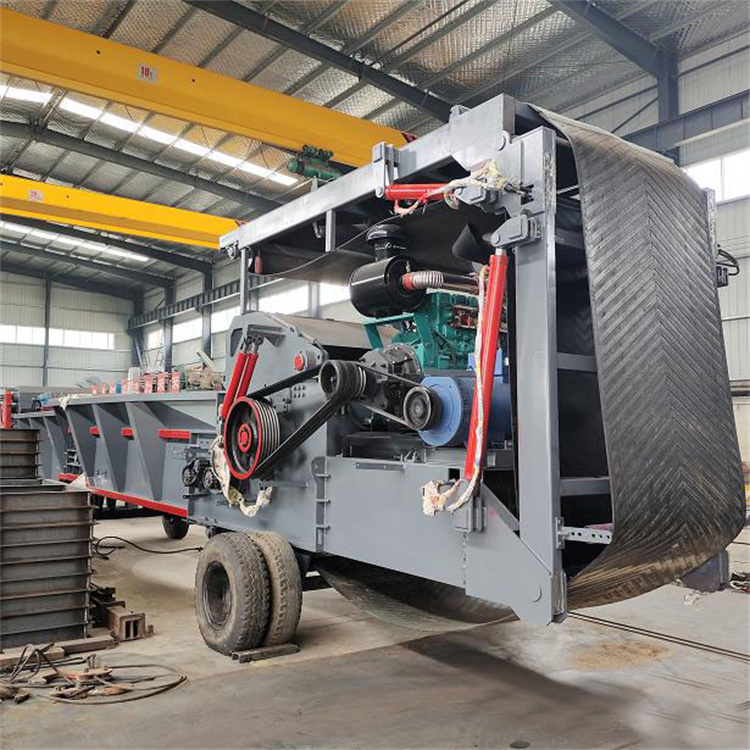
Second, check whether the supplier can provide matched, customized solutions for your raw‑material conditions and target output. There is no universal biomass machine suitable for every project. If your raw input is large logs and tree branches, you need high‑capacity drum chipper for primary crushing; if you plan to produce fine‑size wood chips, a wood chip crusher will be more appropriate; for micron‑level wood powder manufacturing, you have to select qualified wood powder machine units; for finished biomass fuel pellets, a complete set of biomass pellet machine production line covering crushing, drying and pelleting procedures is required. Many inexperienced suppliers only push standard model specifications without analyzing your actual feedstock moisture, raw‑material types, hourly output goals and local power‑supply conditions. A trustworthy supplier will collect your project parameters in detail, draw layout drawings for your workshop, and recommend equipment combinations that fit your budget. Henan Manto Machinery listens closely to each customer’s project demands and delivers tailored wood‑chip, sawdust, wood‑flour and biomass‑pellet processing solutions rather than forcing standardized product packages onto buyers. You should be alert if a vendor recommends identical machine sets for completely different raw‑material scenarios.
Third, deeply assess product quality standards, spare‑parts availability and long‑term after‑sales service systems. For international buyers, after‑sales support weighs equally important as machine quality. You need to confirm warranty scope, overseas technical‑guidance channels, spare‑part supply cycle, operator training options and remote troubleshooting capacity before signing contracts. Low‑priced machinery often uses thin steel plates, inferior alloy blades and unqualified motor assemblies, leading to heavy wear, frequent shutdowns and soaring operational costs. Even well‑built machines will need wearing‑part replacement after running for months, so fast and affordable spare‑part supply determines your plant’s uptime rate. Reliable manufacturers supply detailed operation manuals, installation guidance videos and 24‑hour online technical consultation. Henan Manto Machinery maintains regular communication with global clients after equipment shipment, helping operators resolve running faults and offering guidance for regular equipment maintenance, so your biomass plant can keep stable long‑time operation. When communicating with potential suppliers, explicitly ask for overseas client references; you can consult those references about real‑world machine running status, response speed of technical support and spare‑part ordering experience.
Fourth, compare overall project costs instead of only focusing on unit price. Numerous buyers make the mistake of selecting the lowest quoted offer and overlook hidden expenses. You should figure out what items are included in the quotation: does it contain core machines only, or cover auxiliary equipment such as conveyors, dust‑removal devices and storage silos? Are packing, loading, document preparation for customs clearance included? What are the terms of warranty and paid on‑site technician commissioning? A slightly higher initial investment for high‑quality biomass equipment often brings lower power consumption, fewer breakdown‑caused production halts and less frequent replacement of wearing components, cutting your comprehensive operational expenditure for years. On the contrary, ultra‑cheap equipment may require frequent repairs and replacement parts, making total costs far exceed the budget of premium‑grade machinery. It is wise to request detailed itemized quotations from short‑listed suppliers so you can make fair comparisons.
Fifth, evaluate the supplier’s industry insight and project case accumulation. Rich practical project experience enables manufacturers to foresee potential risks of biomass plants. For instance, some customers process high‑moisture palm waste or bamboo residues; experienced suppliers will remind you to configure supporting drying equipment and adjust blade structures accordingly. Suppliers with limited case records often ignore these realistic details, resulting in low finished‑product quality after plant startup. Browse corporate news and project showcases of candidate suppliers to study what kinds of biomass projects they have finished. Good suppliers will share real‑site photos, running‑video resources and client feedback, instead of merely posting advertising pictures. When you study biomass pellet machine related cases, pay attention to whether these projects match your own expected output and raw‑material types.
Furthermore, pay attention to contract terms and compliance documents. Before confirming cooperation, read every clause of the sales contract carefully, covering product specifications, delivery lead‑time, payment milestones, warranty range, liability for delayed shipment and spare‑part supply rules. Formal manufacturers provide complete commercial invoices, packing lists and customs‑required documents for export. Never rely solely on oral promises; all agreed customized requirements, after‑sales commitments and technical parameters must be written into formal contracts.
To sum up, choosing a reliable biomass machine supplier is a comprehensive assessment process covering factory strength, customized solution capability, product quality, after‑sales guarantee, real‑project experience and contract standardization. It is not a simple task of picking the cheapest quotation. Investing time in supplier screening at the early project phase can avoid massive financial losses caused by unqualified machinery and poor support. Whether you plan to build a wood‑chip processing station, a sawdust powder production workshop or a complete biomass fuel pellet plant, selecting a proven manufacturer partner lays the solid foundation for your long‑term profitable biomass business.