Every year, global logistics and warehousing industries consume millions of wooden pallets for product transportation, storage and shipment. After repeated cycles of loading, unloading and transit, large volumes of wooden pallets become cracked, broken or structurally unsuitable for reuse. Without proper recycling workflows, waste pallets occupy massive storage space, raise landfill costs and create unnecessary environmental pressure for recycling facilities, distribution centers and manufacturing parks. This raises a critical practical question for facility managers: are industrial wood crushers ideal for modern‑day pallet recycling operations?
For decades, many recycling sites handled scrap pallets through manual disassembly, manual sorting or basic cutting tools. These outdated approaches are labour‑intensive, slow and struggle to process pallets embedded with nails, staples and metal fasteners. Today, robust industrial wood crushing equipment delivers high‑volume processing, consistent particle‑size output and safe handling of metal‑contaminated wood waste, making it central to profitable pallet‑recycling business models. When selecting suitable machinery, operators must analyse material characteristics, hourly throughput targets, final‑product requirements and long‑term maintenance costs before finalising equipment investments.
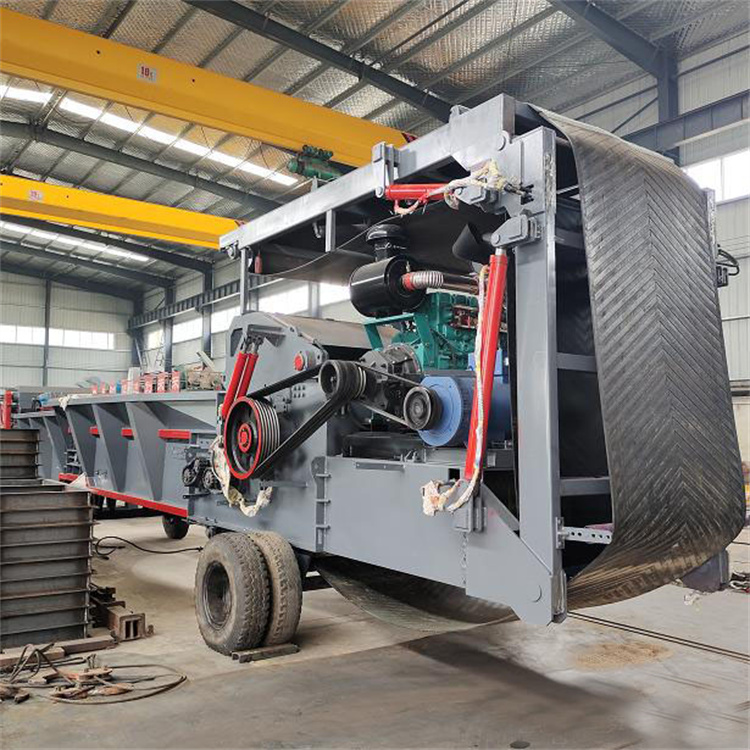
A complete pallet‑recycling workflow normally covers multiple processing stages. First, whole or broken waste pallets are fed into primary crushing equipment. A drum chipper completes primary size reduction, breaking bulky pallet frames and deck boards into coarse wood chips at high throughput ratesmantomachi…. Since most discarded pallets carry embedded nails and metal fasteners, most production lines integrate magnetic separation units after the first crushing pass to pull out ferrous hardware and protect downstream machines from metal damage. After primary chipping, operators can send coarse chips to secondary processing units. A wood chip crusher further reduces material into medium‑grade wood chips for particle‑board raw material, landscaping mulch or further fine‑grinding tasksmantomachi…. If customers need ultra‑fine output for composite materials or incense raw stock, material can go into a wood powder machine to produce micron‑level wood powder. Finally, processed wood chips or sawdust can flow into a biomass pellet machine to manufacture high‑density biofuel pellets for heating and power‑generation applicationsmantomachi….
Henan Manto Machinery Equipment Co., Ltd. brings over 25‑years of hands‑on industry experience designing and manufacturing wood‑processing and biomass‑production machinery for international clients. The company’s equipment portfolio addresses real‑world pain‑points faced by pallet‑recycling entrepreneurs, including high‑capacity handling of nailed pallets, flexible particle‑size adjustment and durable rotor assemblies built for continuous heavy‑duty shifts. Many recycling plant operators face common frustrations: short blade service life when processing metal‑mixed wood waste, unstable output sizes, and machines that cannot maintain rated throughput during long‑hour non‑stop production. Henan Manto Machinery solves these challenges by applying wear‑resistant alloy cutting components and optimised feeding‑inlet geometry specifically adapted for irregular‑shaped waste‑wood feedstock such as broken pallets, packing crates and construction‑site timber scraps.
Not every industrial wood crusher on the market works equally well for pallet‑recycling scenarios. Some small‑scale general‑purpose wood chippers are built for clean logs and branches only; feeding nailed pallets into such light‑duty units can result in frequent blade damage, unexpected shutdowns and costly component replacement. Buyers need to distinguish between forest‑focused chippers and heavy‑duty waste‑wood crushers engineered to tolerate incidental metal contact. Key buying criteria include feeding‑throat dimensions, rotor torque, installed power, optional magnetic‑separator compatibility, ease of blade replacement, and available customisation for complete turn‑key recycling lines. Small‑to‑mid‑size recycling workshops may target 5‑12 tons per‑hour throughput, while large commercial‑scale pallet‑recycling facilities require systems capable of 15 tons per hour or higher processing volumes.
After crushing, processed pallet‑derived wood materials open multiple revenue streams for recycling operators. Coarse wood chips can supply pulp mills, landscaping suppliers and engineered‑wood factories. Medium‑size chips serve as boiler fuel for industrial heating systems. Fine sawdust and wood shavings work as animal bedding or compost raw material. When converted into biomass pellets, pallet‑waste becomes high‑value renewable fuel sold to residential heating users, commercial greenhouses and biomass power plants. The ability to sell multiple grades of finished material improves overall project profitability, and that is why many investors prefer integrated production lines rather than standalone single‑function crushers. Henan Manto Machinery offers full‑scope wood chip solutions that cover equipment selection, layout planning, installation guidance and after‑sales technical support for new recycling‑plant builds or existing‑facility upgrades. Operators new to pallet‑recycling business benefit greatly from professional solution‑engineering support to match equipment configuration with local raw‑material conditions and target‑product specifications.
Another frequently overlooked factor is operational cost control. Power consumption, wear‑part replacement frequency and maintenance downtime directly decide project profit margins. A cheap‑priced crusher may seem attractive at purchase time, yet excessive blade wear and constant breakdowns will drive up total operating expenditure over time. Reputable manufacturers provide transparent data on power consumption, wear‑part lifespans and recommended maintenance cycles. Operators should also train on‑site staff on routine inspection procedures: checking blade sharpness, clearing jammed feed material, and monitoring magnetic‑separator performance to make sure metal contaminants are adequately removed from end‑products.
Sustainability remains a powerful driving force for pallet‑recycling expansion around the globe. Businesses face growing pressure to cut landfill waste and adopt circular‑economy practices. Converting end‑of‑life wooden pallets from waste burden into saleable recycled commodities helps companies lower waste‑disposal fees while generating extra income. Industrial wood‑crushing systems form the mechanical core of this circular workflow. Without properly selected crushing equipment, even well‑designed recycling concepts cannot achieve stable, cost‑effective output.
When planning your pallet‑recycling setup, working with an experienced equipment supplier makes a substantial difference to project outcomes. Henan Manto Machinery has delivered wood‑processing equipment to more than 100 export‑destination countries, serving over 20000 satisfied clients across biomass energy, waste‑wood recycling and wood‑product manufacturing sectors. Their solution engineers can assess your expected feed‑stock types, throughput targets, available site space and finished‑material objectives to suggest suitable machine models or full‑line layouts. Whether you plan to start a small pallet‑processing workshop or expand an existing large‑capacity recycling centre, matching your actual working conditions to properly built industrial wood‑crushing machinery is critical to reaching your business goals.
So, returning to our opening question: are industrial wood crushers ideal for modern‑day pallet‑recycling operations? The short answer is yes — but only when you select heavy‑duty models purpose‑built for waste‑wood with possible metal contaminants, and integrate them into well‑designed workflows with magnetic separation, screening and downstream processing equipment. Low‑duty machines designed for clean logs will disappoint pallet‑recycling operators. Investing in quality industrial wood‑crushing equipment from trusted manufacturers allows you to turn piles of discarded pallets into consistent, market‑ready recycled‑wood products, reduce landfill dependency and unlock sustainable long‑term revenue for your recycling enterprise.