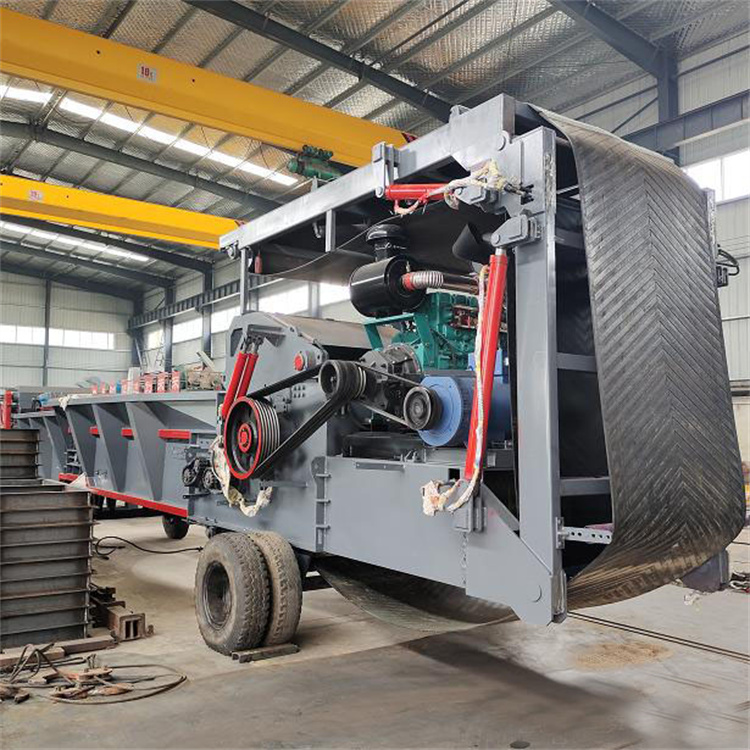
If you’re in the market for a wood chipper, one of the first decisions you’ll face is the power source: diesel wood chipper vs electric wood chipper. It’s not a trivial choice. The wrong decision can mean higher operating costs, constant downtime, or a machine that simply doesn’t have the guts to handle your workload.
I’ve talked to dozens of business owners who made the wrong call — buying a diesel chipper for an indoor workshop where noise and fumes were a problem, or an electric model for a remote logging site with no power lines in sight. Both situations ended in frustration and wasted money. This guide breaks down the key differences so you can choose the right machine for your operation the first time.
Power and Performance
The most obvious difference between a diesel wood chipper and an electric wood chipper is how they generate power — and that affects everything from torque to throughput.
Diesel Wood Chipper Power
A diesel-powered chipper runs on a combustion engine, typically producing 50–400 HP or more. These machines deliver high torque at low RPM, which means they can power through large-diameter logs, hardwood, and wet or green wood without bogging down. A diesel engine’s torque curve is ideal for chipping applications — it maintains consistent power even under heavy load.
For example, Henan Manto Machinery’s diesel mobile drum chipper offers production capacities of 5–20 tons per hour with power outputs of 155–380 HP. That’s the kind of muscle you need for commercial forestry, land clearing, and large-scale biomass production.
Electric Wood Chipper Power
Electric wood chippers use electric motors, typically ranging from 5–50 HP for small to medium units, and up to 160 kW (about 215 HP) for industrial models. Electric motors provide instant torque at startup, which is excellent for quick chipping cycles. However, they don’t have the same low-end grunt as a diesel engine when faced with oversized or dense material.
Electric chippers are also limited by the available power supply. A 50 HP electric motor requires a substantial three-phase connection that many job sites simply don’t have.
Bottom line: If you’re processing large logs, hardwoods, or high volumes, a diesel chipper has the power advantage. For smaller, cleaner material, an electric chipper may be sufficient.
Mobility and Site Access
This is where the diesel wood chipper vs electric wood chipper debate really diverges.
Diesel Wood Chipper Mobility
A diesel-powered chipper is self-contained. It doesn’t need a power outlet, extension cords, or a generator. That means you can take it anywhere — remote forests, construction sites, mountainous terrain, or rural farms.
Many diesel chippers are mounted on mobile chassis — towable, self-propelled, or even tracked. The diesel-powered mobile drum chipper from Henan Manto Machinery is a self-propelled, towable crushing machine that extends industrial-grade wood processing capabilities to any remote job site. It processes large logs and whole trees directly in remote forests, eliminating transport costs.
For forestry operations, land clearing, and disaster cleanup, mobility isn’t a luxury — it’s a requirement.
Electric Wood Chipper Mobility
Electric wood chippers are typically stationary. They need to be plugged into a power source, which limits them to workshops, factories, or yards with reliable electricity. While some smaller electric chippers are portable (you can wheel them around a property), they still need an extension cord to a nearby outlet.
Electric chippers are increasingly popular in urban and residential areas where noise and emissions are a concern. They’re quiet, clean, and perfect for fixed-location operations.
Bottom line: If you work outdoors, on remote sites, or move between locations, a diesel chipper is the clear winner. If you work in a fixed facility with power access, an electric chipper is a viable option.
Operating Costs: Fuel vs Electricity
Diesel Wood Chipper Operating Costs
Diesel fuel costs money, and diesel engines require more maintenance — oil changes, fuel filters, air filters, and regular engine servicing. However, diesel engines are fuel-efficient and, over time, can offer lower operating costs than some alternatives. For high-volume operations, the cost per ton of material processed can be very competitive.
Diesel-powered units carry a 15–20% premium over electric models upfront. But if you’re processing large volumes in remote locations, the productivity gains often justify the extra cost.
Electric Wood Chipper Operating Costs
Electricity is generally cheaper than diesel fuel per unit of energy. Electric motors convert energy into mechanical power more efficiently than diesel engines. Electric chippers also have fewer moving parts — no fuel system, no exhaust, no oil changes. Maintenance is simpler and less frequent.
Electric-powered chippers cost 10–15% less upfront than diesel equivalents. However, they require fixed power access, and the cost of installing three-phase power can be significant.
Bottom line: Electric chippers have lower operating and maintenance costs in the long run — but only if you have reliable, affordable power. Diesel chippers cost more to run but offer flexibility that can increase overall productivity.
Noise and Emissions
Diesel Wood Chipper Noise and Emissions
Diesel engines are loud. They produce exhaust fumes, which means they’re not suitable for indoor use or areas with strict emission regulations. A diesel wood chipper is best suited for outdoor, open environments where noise and fumes aren’t a concern.
Electric Wood Chipper Noise and Emissions
Electric motors are quiet and produce zero emissions at the point of use. That makes them ideal for indoor facilities, residential areas, woodworking factories, and urban environments. If you’re operating near homes, schools, or hospitals, an electric chipper is the neighbor-friendly choice.
Bottom line: For indoor or noise-sensitive environments, choose electric. For outdoor, remote, or industrial settings, diesel is fine.
Maintenance and Longevity
Diesel Wood Chipper Maintenance
Diesel engines require regular maintenance — oil and filter changes, fuel system checks, cooling system service, and exhaust system upkeep. However, diesel engines are built to last. With proper maintenance, a diesel chipper can run for thousands of hours in demanding conditions.
Henan Manto Machinery designs its diesel mobile drum chippers for heavy continuous use, with hardened blades, auto-feed systems, and dust suppression to meet environmental standards. These machines are built to handle the toughest timber day in and day out.
Electric Wood Chipper Maintenance
Electric motors require far less maintenance — no oil changes, no fuel filters, no exhaust system. The primary maintenance tasks are keeping the motor clean and checking the electrical connections. However, electric motors can be expensive to repair if they fail, and they don’t handle overload as gracefully as diesel engines.
Bottom line: Electric chippers have lower maintenance requirements, but diesel engines are more robust in demanding conditions.
Initial Investment and ROI
| Factor | Diesel Wood Chipper | Electric Wood Chipper |
|---|---|---|
| Upfront cost | 15–20% higher | 10–15% lower |
| Fuel/electricity cost | Higher | Lower |
| Maintenance cost | Higher | Lower |
| Mobility | Excellent | Limited |
| Output capacity | Higher (5–20+ t/h) | Lower (typically under 10 t/h) |
| Best for | Remote sites, forestry, large-scale | Fixed facilities, indoor, urban |
The ROI calculation depends entirely on your operation. If you’re processing 20 tons of wood waste per day in a remote forest, a diesel chipper will pay for itself quickly through avoided transport costs. If you’re running a small workshop with steady power access, an electric chipper offers lower ongoing costs.
Which One Should You Choose?
Here’s my practical advice based on years of watching buyers make this decision.
Choose a Diesel Wood Chipper If:
You work in remote locations without reliable electricity
You process large-diameter logs or hardwoods
You need high throughput — 5 tons per hour or more
You move between multiple job sites
You’re in forestry, land clearing, or biomass production
A diesel-powered mobile drum chipper from Henan Manto Machinery, for example, handles logs up to 300 mm in diameter and produces 5–20 tons per hour. It’s built for exactly these conditions.
Choose an Electric Wood Chipper If:
You work in a fixed facility with reliable power
You process smaller material — branches under 4 inches
You need quiet, emission‑free operation
You’re in an urban or residential area
You’re on a tighter budget upfront
An electric wood chipper is typically lighter, quieter, and perfect for smaller operations, indoor facilities, and residential areas.
Real-World Examples
Example 1: Forestry Contractor — A logging company in the Pacific Northwest needed to process branches and tops left after timber harvesting. The sites were remote, with no power lines. They chose a diesel mobile drum chipper from Henan Manto Machinery. It processes 15–20 tons per hour on-site, eliminating the cost of hauling raw material to a central facility. The machine paid for itself in 10 months.
Example 2: Furniture Factory — A furniture manufacturer generates sawdust and offcuts daily. They have three-phase power in their workshop and operate in a noise-sensitive area. They chose an electric wood chipper for its quiet, clean operation and lower maintenance costs. It runs 8 hours a day, processing waste into saleable wood chips for biomass fuel.
Example 3: Municipal Parks Department — A city parks department needed to process tree trimming waste from across the city. They bought both: a diesel chipper for remote park locations and an electric chipper for their central yard. Each machine serves a different purpose, and together they’ve eliminated a $50,000 annual disposal contract.
Conclusion
The choice between a diesel wood chipper and an electric wood chipper isn’t about which is “better” — it’s about which is right for your operation. Diesel chippers offer unmatched mobility, power, and throughput for remote, heavy-duty applications. Electric chippers provide clean, quiet, low-maintenance operation for fixed facilities and smaller-scale work.
Henan Manto Machinery Equipment Co., Ltd. offers both types of machines, from diesel-powered mobile drum chippers with 5–20 tons per hour capacity to electric models designed for industrial indoor use. Their equipment is engineered for heavy continuous use, backed by spare parts support, and priced to deliver a solid return on investment.
Take the time to assess your work environment, your material, and your budget. Test the equipment with your actual material if possible. And don’t hesitate to reach out to experienced manufacturers — they’ve seen every scenario and can steer you toward the right solution. The right wood chipper will turn your wood waste from a liability into a valuable asset for years to come.