Introduction
In an era of growing environmental awareness, wood waste recycling solutions have become essential for reducing landfill use, conserving natural resources, and supporting a circular economy. Every year, millions of tons of wood waste—from construction sites, demolished buildings, pallets, furniture, and yard debris—end up in landfills, releasing methane and contributing to climate change.
Yet with effective wood waste recycling solutions, this material transforms into valuable resources like mulch, biomass fuel, particleboard, and even high-tech composites. Businesses, contractors, and homeowners increasingly seek sustainable wood waste management options that deliver both environmental and economic benefits. Henan Manto Machinery Equipment Co., Ltd. provides advanced equipment to help industries achieve these goals efficiently.
Understanding Wood Waste and Its Environmental Impact
Wood waste includes clean lumber, pallets, branches, sawdust, and engineered wood from residential, commercial, and industrial sources. In the United States alone, wood accounted for about 18.1 million tons of municipal solid waste in 2018, representing 6.2% of total MSW generation. Much of this ends up in landfills, where it decomposes and produces potent greenhouse gases.
Globally, the wood waste recycling market continues to expand rapidly, valued at approximately $14.1 billion in 2024 and projected to reach $19.5 billion by 2030.
The environmental toll is significant. Landfilling wood waste not only wastes a renewable resource but also increases methane emissions—each ton in a landfill can contribute nearly as much climate impact as a ton of CO₂. By contrast, implementing wood waste recycling solutions diverts material from disposal sites, reduces the demand for virgin timber, and lowers overall carbon footprints. Construction and demolition projects generate the largest volumes, making targeted wood waste recycling for the construction industry one of the highest-impact areas.
Key Benefits of Wood Waste Recycling Solutions
Adopting wood waste recycling solutions offers multiple advantages:
Environmentally – Conserves forests, reduces energy consumption in manufacturing new wood products, and cuts greenhouse gas emissions.
Economically – Lowers disposal costs (often by 50% or more) while creating new revenue streams from recycled outputs like mulch or biofuel.
Socially – Supports jobs in the green economy and promotes community sustainability initiatives.
One major benefit is landfill diversion. Proper wood waste recycling reduces the volume of waste sent to landfills, helping municipalities meet recycling targets (such as Florida’s 75% goal). Additionally, recycled wood products like mulch improve soil health in landscaping, while biomass applications generate renewable energy.
Studies highlight that recycling scenarios consistently outperform landfilling or incineration across climate, resource, and economic metrics.
Proven Wood Waste Recycling Methods
Several established wood waste recycling methods make the process accessible and scalable:
1. Chipping and Mulching
Clean wood is ground into chips or mulch using industrial grinders. This wood waste recycling into mulch serves landscaping, gardening, and erosion control. Mobile grinding services allow on-site processing, saving transport costs for large projects.
2. Biomass Energy Production
Wood waste powers biomass facilities, generating renewable electricity and heat. Pallet manufacturers and tree service companies often partner with energy providers to convert scrap into green energy, aligning with carbon-neutral goals.
3. Manufacturing New Products
Recycled wood becomes particleboard, medium-density fiberboard (MDF), or composite materials for furniture and construction. This closed-loop approach exemplifies sustainable wood waste management.
4. Animal Bedding and Composting
Ground wood serves as bedding for livestock or mixes into compost, enriching soil without chemical additives.
These methods work best with clean, untreated wood. Facilities typically accept dimensional lumber, pallets, branches, and sawdust while rejecting painted, treated, or contaminated material to maintain product quality.
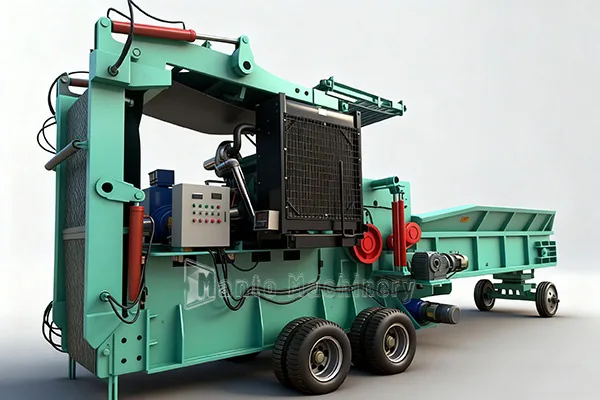
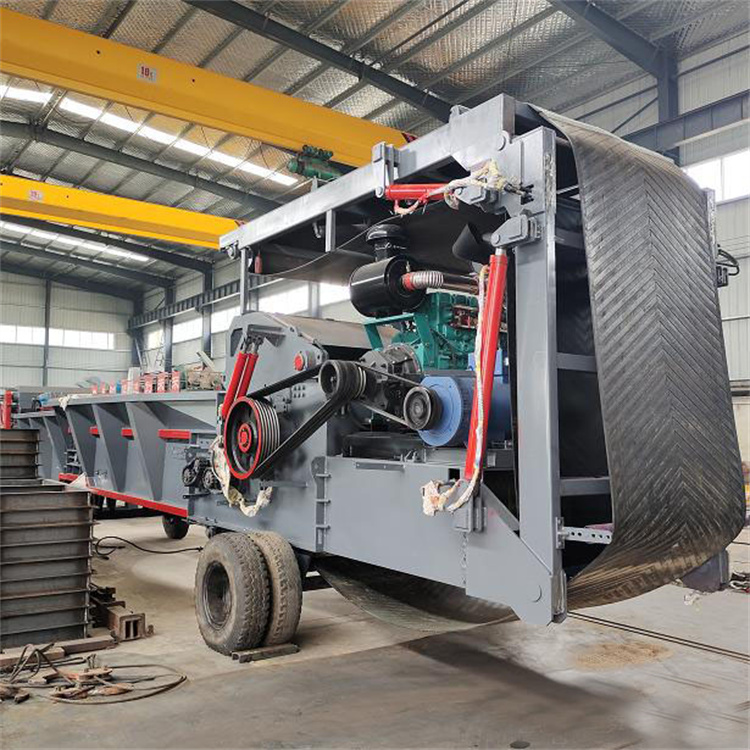
Henan Manto Machinery manufactures industrial grinders, chippers, and shredders designed specifically for these applications.
Innovative Wood Waste Recycling Technologies in 2026
The industry is evolving with cutting-edge innovations:
AI-powered sorting systems – Automatically separate clean wood from contaminants, improving efficiency and recovery rates.
Advanced carbon-capture strategies – Treat wood recycling as a climate asset.
New treated wood processing – Recovers value from previously challenging CCA or creosote lumber.
Biorefining techniques – Convert wood waste into biofuels, chemicals, and bio-composites, supporting the “6R” principles: reduce, reuse, recycle, recover, redesign, and regenerate.
Circular economy models are gaining traction. Companies offer zero-landfill commitments, turning waste wood into composites, bedding, or fuel. Mobile wood grinding units bring recycling directly to job sites, and digital platforms connect generators with nearby processors for streamlined logistics.
Practical Implementation: Solutions for Businesses and Individuals
For construction firms, wood waste recycling solutions for the construction industry include on-site sorting, drop-off programs, and partnerships with certified recyclers. Many cities provide free or low-cost drop-off centers for clean wood. Pallet recyclers offer repair-and-return programs that extend material life and reduce new purchases.
Homeowners can participate through curbside brush collection, community drop-offs, or local mulch programs. Simple steps like separating clean lumber during renovations or using reclaimed wood for DIY projects support broader sustainability.
Businesses benefit from tailored services: container rentals, scheduled pickups, and reporting tools that track diversion rates for ESG reporting. In regions like Texas, Florida, and Pennsylvania, specialized facilities process everything from fence panels to full truckloads of pallets.
For organizations seeking reliable equipment, Henan Manto Machinery Equipment Co., Ltd. offers complete wood waste processing lines, including drum chippers, disc chippers, and hammer mills.
Challenges and How to Overcome Them
Despite progress, challenges remain:
Contamination – Nails, paint, or chemicals complicate processing.
Transportation costs – Can offset savings for distant facilities.
Market fluctuations – Affect demand for recycled outputs.
Treated wood – Requires specialized handling to avoid leaching toxins.
Solutions include:
Better source separation education
Investment in advanced sorting technology
Policy incentives for recycled content
Collaboration between generators, processors, and regulators
These strategies accelerate adoption of eco-friendly wood waste recycling practices.
The Future of Sustainable Wood Waste Management
By 2030, the global wood recycling market is expected to grow significantly, driven by stricter regulations, corporate sustainability targets, and consumer demand for green products. Emerging trends point toward:
Full traceability via blockchain
Increased use of recycled wood in high-value applications
Integration with broader waste management systems
Individuals and organizations that embrace wood waste recycling solutions today position themselves as leaders in environmental stewardship. Whether through large-scale biomass conversion or small-scale mulching, every action contributes to a more sustainable future.
Conclusion
In conclusion, wood waste recycling solutions deliver powerful environmental, economic, and social returns. By choosing the right methods—whether traditional chipping, innovative AI sorting, or biomass energy—stakeholders can turn waste into opportunity.
Start exploring local options today: contact certified recyclers, implement on-site sorting, and advocate for stronger recycling infrastructure. Sustainable wood waste management is not just a trend; it is a practical, scalable path toward a greener planet.
For high-performance wood waste processing equipment, Henan Manto Machinery Equipment Co., Ltd. is your trusted partner.