Introduction
If you are processing logs into wood chips for biomass fuel, landscaping mulch, or paper production, one critical question is: how much waste do drum or disk chippers make? The answer affects your material yield, operating costs, and environmental footprint. Waste can mean fine particles (dust), oversized chunks, or rejected material that cannot be used for your intended application.
Understanding the waste generation differences between drum chippers and disk chippers helps you choose the right equipment, optimize your production line, and maximize profitability. In this guide, Henan Manto Machinery Equipment Co., Ltd. provides a detailed comparison of waste output, efficiency factors, and practical tips to minimize wood waste.
What Is Considered “Waste” in Log Chipping?
Before comparing waste levels, it is important to define what counts as waste in log chipping operations:
Fines (dust/sawdust) – Very small particles that may be unsuitable for certain applications like combustion in specific boilers or decorative mulch.
Oversized chips – Chunks that fail to meet size specifications for biomass fuel or pulp production.
Rejects – Material contaminated with dirt, metal, or bark that cannot be processed.
Lost material – Wood that is not converted into usable chips due to inefficient feeding or blade design.
The percentage of waste directly impacts your log chipper efficiency and overall profitability.
Drum Chipper Waste Output: How Much Waste Do They Make?
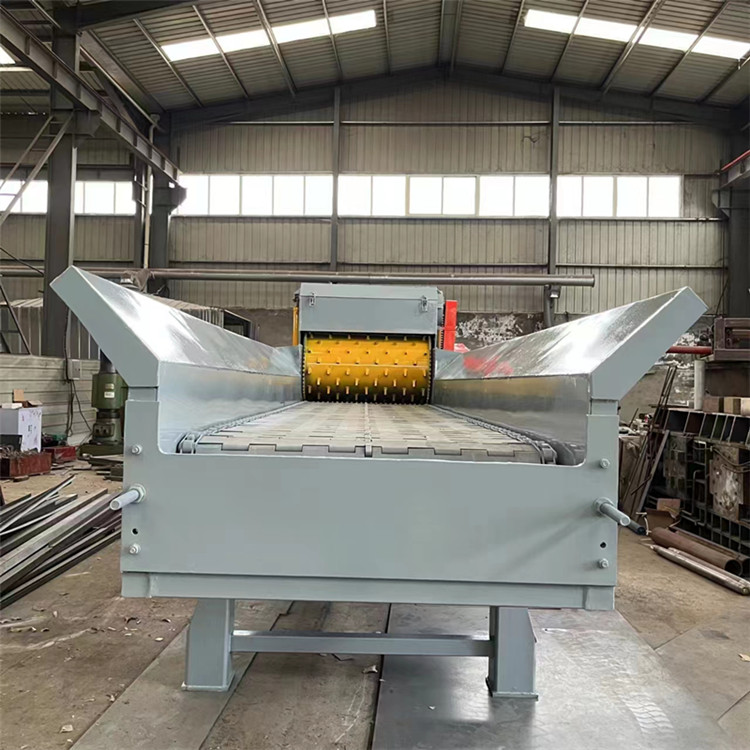
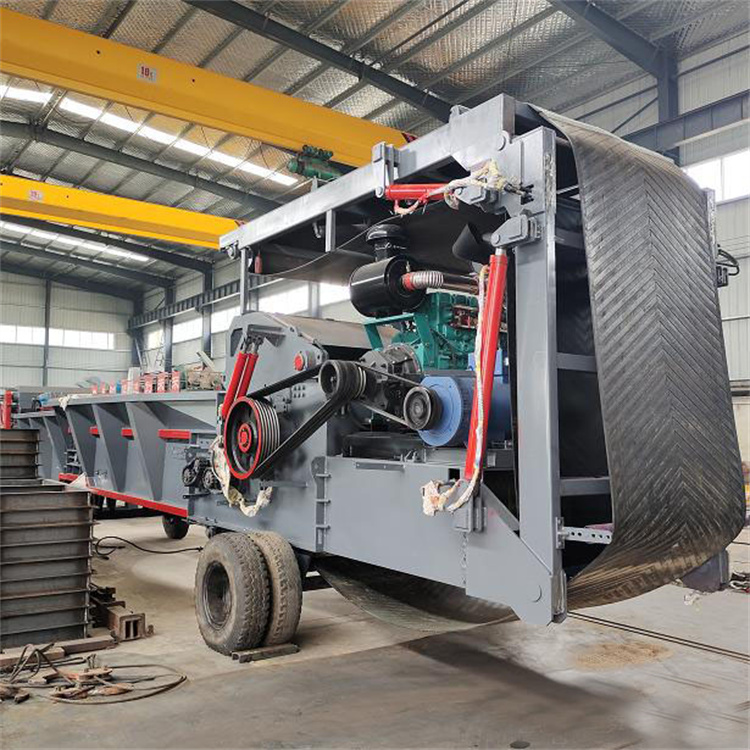
A drum chipper uses a large rotating drum with multiple blades to pull logs inward and cut them into chips. These machines are known for high throughput and continuous operation.
Typical Waste Percentage for Drum Chippers
Fines (dust): 5–10% of total input volume
Oversized chips: 3–7%
Total waste range: 8–17%
Why Drum Chippers Produce Certain Waste Levels
Aggressive cutting action – The rotating drum pulls material forcefully, which can create more fines, especially with dry or brittle logs.
Blade configuration – Multiple blades mean more cuts per log, increasing the proportion of small particles.
Feed mechanism – Hydraulic or automatic feeding reduces manual error but can sometimes force material too quickly, causing shattering.
Best Applications for Drum Chippers
Despite higher fine production, drum chippers excel in:
Biomass energy production – Fines are acceptable or even desirable in gasification systems.
Large-volume commercial operations – Speed outweighs moderate waste levels.
Mixed log sizes – Drum chippers handle irregular material better than disk chippers.
For businesses where drum chipper waste output is a concern, Henan Manto Machinery offers adjustable blade settings and screen options to reduce fines.
Disk Chipper Waste Output: How Much Waste Do They Make?
A disk chipper uses a rotating steel disc with mounted knives. Logs are fed at an angle, and the disc slices chips in a more controlled manner.
Typical Waste Percentage for Disk Chippers
Fines (dust): 2–5% of total input volume
Oversized chips: 1–4%
Total waste range: 3–9%
Why Disk Chippers Produce Less Waste
Precision cutting – The disc slices rather than tears wood, producing cleaner, more uniform chips.
Lower fines generation – Less aggressive action means fewer small particles.
Better chip size control – Adjustable knife settings allow tighter specifications.
Best Applications for Disk Chippers
Disk chippers are preferred when disk chipper wood waste must be minimized:
Landscaping mulch – Uniform, attractive chips with few fines.
Pulp and paper industry – Consistent chip size is critical.
Premium charcoal production – Clean chips carbonize more evenly.
However, disk chippers typically have lower throughput than drum chippers and may struggle with very large or crooked logs.
Drum vs Disk Chipper: Side-by-Side Waste Comparison
| Factor | Drum Chipper | Disk Chipper |
|---|---|---|
| Fines (dust) | 5–10% | 2–5% |
| Oversized chips | 3–7% | 1–4% |
| Total waste | 8–17% | 3–9% |
| Chip uniformity | Moderate | High |
| Throughput | Very high | Medium |
| Best for | Biomass fuel, high volume | Mulch, pulp, premium products |
When comparing drum vs disk chipper waste levels, disk chippers generally produce less waste. However, the “best” choice depends on your specific application and whether fines are considered waste or a usable byproduct.
Factors That Influence Wood Chip Waste Comparison
Several variables affect wood chip waste comparison results beyond machine type:
1. Log Moisture Content
Fresh (green) logs – Produce fewer fines because wood fibers bend rather than shatter.
Dry logs – Generate significantly more dust and small particles.
2. Blade Sharpness
Sharp blades – Clean cuts, less waste.
Dull blades – Tear wood, creating excessive fines and oversized chunks.
3. Log Species
Hardwoods (oak, maple) – Denser, produce fewer fines but require more power.
Softwoods (pine, fir) – Lighter, can generate more dust if overfed.
4. Machine Settings
Proper anvil gap and screen size dramatically affect waste percentages.
Regular calibration reduces log chipper efficiency losses.
5. Operator Technique
Consistent feed rate prevents overloading and reduces waste.
Removing metal and dirt before chipping lowers reject rates.
How to Measure Waste Output in Your Operation
To determine how much waste do wood chippers make in your specific setup:
Weigh input logs – Record total weight before chipping.
Collect usable chips – Weigh or volume-measure finished product.
Screen samples – Use a sieve to separate fines (<3mm) from acceptable chips.
Calculate waste percentage – (Input – usable output) / Input × 100.
Perform this test for both drum and disk chippers under similar log conditions to make an informed purchasing decision.
Tips to Minimize Waste from Drum and Disk Chippers
Regardless of which machine you use, these practices reduce waste and improve biomass wood waste reduction:
For Drum Chippers
Adjust feed speed – Slower feeding reduces fines.
Use sharper blades – Replace or sharpen every 40–80 operating hours.
Install screens – Proper screen size prevents oversized chips.
Moisture management – Process logs at 20–30% moisture content for fewer fines.
For Disk Chippers
Set correct knife projection – Improper settings increase waste.
Maintain anvil gap – A tight gap produces cleaner chips.
Pre-sort logs – Remove oversized or crooked logs that cause irregular cuts.
Regular cleaning – Prevent buildup that affects chip quality.
For professional guidance on reducing commercial wood chipper waste, Henan Manto Machinery offers free operational audits and training.
Economic Impact of Wood Chipper Waste
Waste is not just an environmental issue — it directly affects your bottom line.
Cost Calculation Example
Assume you process 10 tons of logs per day:
Drum chipper at 15% waste = 1.5 tons lost daily
Disk chipper at 6% waste = 0.6 tons lost daily
If wood chips sell for $50/ton:
Drum chipper loses $75/day or $22,500/year (300 days)
Disk chipper loses $30/day or $9,000/year
Over five years, the difference exceeds $67,000 — enough to justify investing in higher-efficiency equipment or retrofits.
Environmental Impact of Wood Chipper Waste
Beyond economics, wood waste sent to landfills produces methane, a potent greenhouse gas. Even waste chips used for low-value applications (like animal bedding) are better than disposal. For sustainability-focused businesses, minimizing wood chip waste comparison results aligns with corporate ESG goals.
Henan Manto Machinery Equipment Co., Ltd. designs its chippers to maximize material recovery, helping customers achieve zero-waste targets.
Which Chipper Produces Less Waste? Final Answer
For minimum waste (lowest fines and rejects):
✅ Disk chipper – 3–9% total waste, ideal for premium applications.
For maximum throughput (waste acceptable):
✅ Drum chipper – 8–17% total waste, ideal for biomass fuel and high-volume operations.
If your business prioritizes log chipper efficiency and material yield, a disk chipper is superior. If you need to process large quantities quickly and can sell fines as byproduct, a drum chipper remains a strong choice.
Frequently Asked Questions
Q: Can fines (dust) be sold or reused?
A: Yes. Wood fines can be used for pellet production, compost, animal bedding, or as fuel in specialized biomass boilers.
Q: Does a drum or disk chipper make more noise?
A: Drum chippers are generally louder due to aggressive cutting action. Disk chippers operate more quietly.
Q: How often should blades be changed?
A: Every 40–80 hours of operation, depending on log species and cleanliness.
Q: Can I retrofit my existing chipper to reduce waste?
A: Yes. Installing screens, sharpening blades, and adjusting feed rates significantly improve waste percentages.
Conclusion
So, how much waste do drum or disk chippers make? Disk chippers typically produce 3–9% waste, while drum chippers generate 8–17% waste. The right choice depends on your application, volume requirements, and whether fines are considered waste or a usable product.
By understanding these differences and implementing best practices — sharp blades, proper moisture levels, correct machine settings — you can reduce waste, improve profitability, and operate more sustainably.
For high-quality drum and disk chippers designed to minimize waste and maximize output, Henan Manto Machinery Equipment Co., Ltd. offers a full range of commercial wood chippers. Contact us today for a free consultation and waste reduction assessment.