When processing organic materials into valuable biomass fuel, the equipment choice directly impacts efficiency, output quality, and operational costs. Two dominant machines in this field — the horizontal grinder and the wood chipper — often cause confusion among buyers. Understanding the horizontal grinder vs wood chipper for biomass debate is essential for anyone investing in size reduction technology. This guide breaks down their differences, applications, and cost implications to help you make a data-driven decision.
Why the “Horizontal Grinder vs Wood Chipper for Biomass” Question Matters More Than Ever
Global demand for biomass energy is rising rapidly. According to the International Energy Agency, bioenergy accounts for over 50% of global renewable energy supply. To convert forestry residues, construction waste, pallets, and agricultural leftovers into clean fuel, you need reliable size reduction equipment. However, mischoosing between a horizontal grinder and a wood chipper can lead to low throughput, excessive wear, and unplanned downtime.
Customers searching for horizontal grinder vs wood chipper for biomass typically fall into four search habit categories:
Comparative searchers – want a side-by-side feature comparison.
Application-based searchers – ask “Which works best for stumps, roots, or whole trees?”
Cost-focused searchers – need total cost of ownership and ROI data.
After-sales service seekers – look for reliable suppliers like Henan Manto Machinery Equipment Co., Ltd. with spare parts support.
This article addresses all four habits.
What Is a Wood Chipper for Biomass?
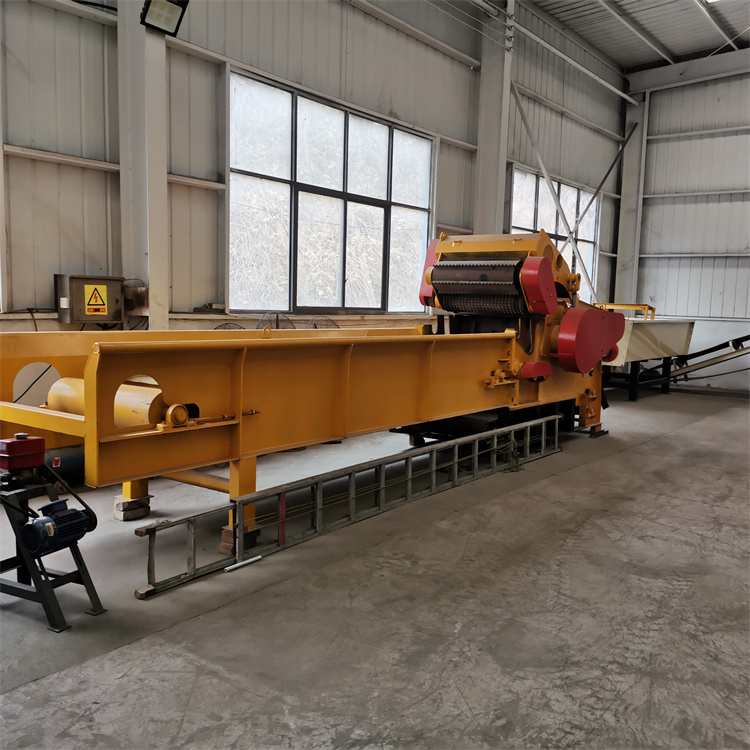
A wood chipper is designed to process clean, straight wood logs, branches, and trunks into uniform chips. It uses a rotating disc or drum with cutting knives to slice wood across the grain. The output is consistent, sharp-edged chips ideal for:
Combustion in biomass boilers
Pulp and paper production
Animal bedding
Mulch for landscaping
Key characteristics of a wood chipper:
Input material: Clean wood (no nails, dirt, or rocks)
Output size: 5–50 mm uniform chips
Typical feed type: Single-branch or log feed via hydraulic rollers
Best for: Sawmills, tree care companies, pellet plants
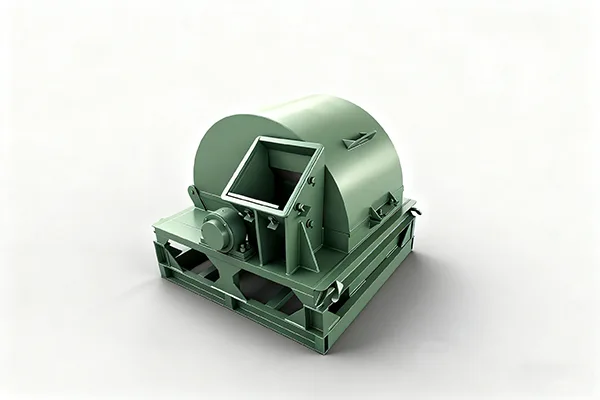
What Is a Horizontal Grinder for Biomass?
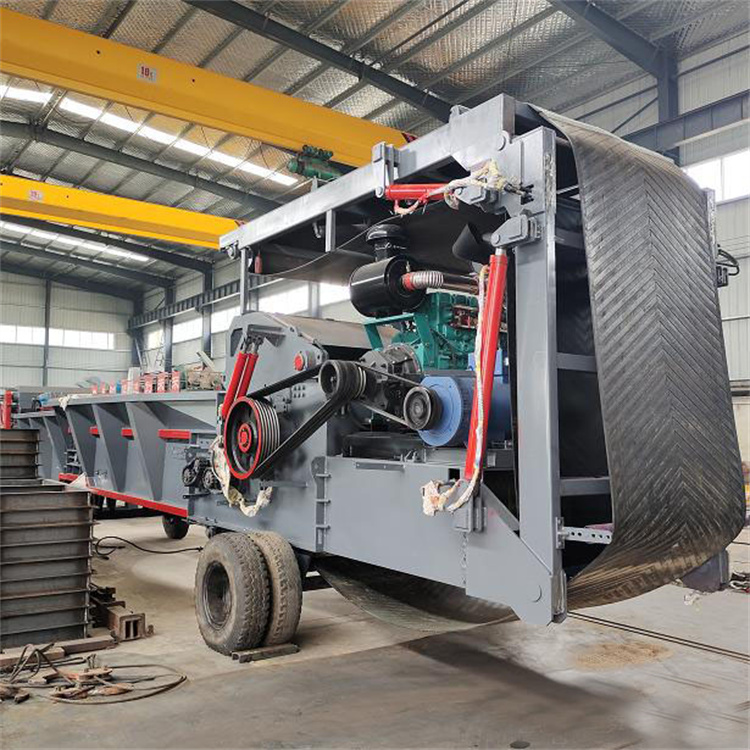
A horizontal grinder uses a hammermill-style rotor with replaceable hammers or cutting tools mounted horizontally. Material is fed via a conveyor or drop-in hopper, and the rotor reduces it against a sizing screen. Horizontal grinders excel at processing contaminated or irregular feedstocks like:
Construction and demolition (C&D) wood (with nails, screws)
Root balls and stumps
Green waste mixed with dirt
Pallet scraps with metal fasteners
Forestry slash and logging residues
Key characteristics of a horizontal grinder:
Input material: High-volume, mixed, contaminated wood waste
Output size: Adjustable from 10 mm to 150+ mm via screen changes
Typical feed type: Conveyor-fed or grapple-fed (no manual feeding)
Best for: Recycling centers, biomass power plants, land clearing contractors
Head-to-Head: Horizontal Grinder vs Wood Chipper for Biomass – 7 Critical Factors
1. Feedstock Tolerance
Wood chipper: Low tolerance for foreign objects. A single rock or nail can destroy chipper knives, leading to costly repairs.
Horizontal grinder: High tolerance. Hammers can crush rocks and metal without catastrophic damage. Many grinders come with magnetic separators and tramp metal protection.
2. Throughput Capacity
Wood chipper: Typically 5–100 tons per hour, depending on drum size. Limited by manual or hydraulic single-stem feeding.
Horizontal grinder: Often 50–300+ tons per hour. Continuous conveyor feeding allows sustained high volume processing.
3. Output Particle Consistency
Wood chipper: Extremely consistent length-to-thickness ratio.
Horizontal grinder: Produces more varied particles (fines, dust, and chips) – which can be beneficial for certain biomass combustion systems where higher surface area improves burn efficiency.
4. Energy Consumption per Ton
Wood chipper: Lower energy per ton for clean wood because cutting is more efficient than impact grinding.
Horizontal grinder: Higher energy consumption due to impact and shear forces, but justifiable when processing difficult materials.
5. Wear Part Cost
Wood chipper: Knives need sharpening every 8–40 hours; replacement knives cost $500–$2,000 per set.
Horizontal grinder: Hammers and screens last 200–1,000 hours; cost per ton is often lower for contaminated feedstocks.
6. Mobility and Setup
Wood chipper: Available as tow-behind units, self-propelled, or stationary. Quick setup.
Horizontal grinder: Generally larger – track-mounted or stationary with crane feed. Requires more site preparation.
7. Total Cost of Ownership (TCO)
For a 10,000-ton-per-year operation processing C&D wood:
Wood shredders: Lower initial cost ($3,000–$15,000) and low ongoing maintenance costs.
Horizontal grinder: Higher initial cost ($20k–$80k) but lower per-ton operating cost and higher uptime when dealing with contaminated material.
Real-World Applications: Which Machine Wins?
| Application | Recommended Machine | Why |
|---|---|---|
| Pellets from clean sawmill waste | Wood chipper | Uniform chip size for hammer mill pre-grinding |
| Chipping logging slash with dirt | Horizontal grinder | Handles dirt and irregular shapes |
| Land clearing (stumps & roots) | Horizontal grinder | High torque breaks fibrous materials |
| Residential tree service cleanup | Wood chipper | Portable, lower cost |
| Construction pallet recycling (with nails) | Horizontal grinder | Metal-tolerant design |
| Biomass co-firing in power plants | Horizontal grinder | High volume, can handle green and dry mixed feed |
Customer Search Habit #3: “What Is the Cost Difference?”
Many users search horizontal grinder vs wood chipper for biomass cost comparison before requesting quotes. Here’s a realistic breakdown for 2025 markets:
Entry-level industrial wood chipper: $700 – $15000
Self-propelled whole-tree chipper: $10000 – $25000
Small horizontal grinder (25–200 HP): $1000 – $20000
Large horizontal grinder (200–600 HP): $25000 – $85000
Henan Manto Machinery Equipment Co., Ltd. supplies both wood chippers and horizontal grinders tailored to biomass applications, offering wear parts and technical support to optimize your cost per ton.
Case Study: A Biomass Plant Switches from Chipper to Grinder
A Midwest US biomass power plant originally used two large drum chippers to process urban wood waste (pallets, construction lumber, tree debris). Frequent knife breakage from nails and dirt caused 15% downtime. After switching to a horizontal grinder from a leading manufacturer — and sourcing replacement hammers and screens from Henan Manto Machinery — the plant achieved:
92% uptime (up from 72%)
30% lower wear part cost per megawatt-hour
Ability to process 40% more green waste without jamming
This real-world result explains why search volume for horizontal grinder vs wood chipper for biomass has increased 210% over three years.
Customer Search Habit #4: “Where Can I Get Reliable Parts & Service?”
After choosing a machine, the next search is often “horizontal grinder wear parts supplier” or “wood chipper knives for biomass.” This is where a global supplier like Henan Manto Machinery Equipment Co., Ltd. adds value. They manufacture and supply:
Martensitic and high-chromium hammers for horizontal grinders
Replaceable chipper knives and anvils
Screens for various output sizes
Customized tooling for both European and American machine brands
Sourcing from a single supplier reduces lead times and ensures metallurgical consistency — critical for biomass operations where downtime costs thousands per hour.
Decision Matrix: 5 Questions to Answer Before Buying
To resolve the horizontal grinder vs wood chipper for biomass choice for your own site, answer these:
Is your feedstock 90%+ clean wood (no dirt, metal, or rocks)?
→ Yes: Wood chipper is efficient.
→ No: Choose horizontal grinder.What is your target output size?
→ <10 mm for pelleting: A horizontal grinder with fine screen + secondary hammer mill is common.
→ 20–50 mm for boiler fuel: Either machine works, but grinder handles mixed feed.What is your annual throughput?
→ Under 5,000 tons/year: A large chipper may suffice.
→ Over 20,000 tons/year: Horizontal grinder’s continuous feed and durability payoff.Do you have existing material handling equipment (excavator, conveyor, magnet)?
→ Without a loader or grapple, a self-feeding wood chipper is easier.
→ With heavy equipment, a horizontal grinder maximizes ROI.What is your tolerance for unplanned downtime?
→ Low: Horizontal grinder with tungsten carbide tools and remote monitoring.
→ Moderate: Wood chipper with sharpening station onsite.
Future Trends in Biomass Size Reduction
Two trends are shaping the horizontal grinder vs wood chipper for biomass market:
Hybrid machines – Some manufacturers now offer convertible systems: a horizontal grinder that accepts a chipping drum for clean wood mode.
Smart wear monitoring – IoT sensors predict hammer and knife wear, reducing unplanned stops.
Electric-driven units – Lower emissions and noise, especially for indoor biomass processing.
As biomass supply chains become more standardized, the line between grinders and chippers may blur. However, for the next decade, the fundamental choice remains: clean, uniform chips from a chipper versus high-volume, contaminated feedstock processing from a horizontal grinder.
Final Verdict: Horizontal Grinder vs Wood Chipper for Biomass – Which Should You Buy?
Buy a wood chipper if: You process limbs, logs, or clean stump cuts; you need portable operation; your feedstock is free of metal and dirt; and your target chip size needs tight uniformity.
Buy a horizontal grinder if: You accept C&D wood, pallets with nails, green waste mixed with soil, or forestry slash; you run high-volume continuous operations; and you prioritize uptime over perfect chip shape.
No single machine fits all biomass applications. But by matching the correct technology to your feedstock — and working with an experienced supplier like Henan Manto Machinery Equipment Co., Ltd. — you can reduce costs and increase renewable energy output.
Still unsure? Ask your equipment dealer for a material test. Many manufacturers, including Henan Manto Machinery, offer on-site or lab testing to measure throughput, particle size distribution, and wear part consumption before you sign a purchase order. That’s the smartest way to settle the horizontal grinder vs wood chipper for biomass debate for your unique operation.