If you’re in the business of wood processing, furniture manufacturing, construction, or forestry, you’ve probably faced the same question: What do I do with all this wood waste?
Every year, millions of tons of wood waste—sawdust, offcuts, pallets, branches, and demolition lumber—end up in landfills or are burned with little value. But the global market is shifting. Wood waste recycling machines are turning that waste into wood chips, sawdust, pellets, and biomass fuel—products that are in high demand across renewable energy, paper and pulp, and engineered wood industries.
The Global Market Opportunity
The numbers tell a compelling story. The global wood recycling equipment market was valued at $245 million in 2024** and is projected to reach **$374 million by 2031, growing at a CAGR of 5.2%. The broader wood waste recycling machine market—which includes crushers, chippers, shredders, and grinders—was estimated at $430 million in 2024** and is forecast to reach **$655 million by 2033.
The wood chipper machines segment alone was valued at $415 million in 2025** and is expected to hit **$575.9 million by 2033. Meanwhile, the wood sawdust making machine market—covering hammer mills, chippers, and crushers—is projected to grow at a robust 7.19% CAGR, reaching $730 million by 2032.
What’s driving this growth? Several powerful trends are converging:
-
Stricter landfill diversion regulations are forcing businesses to find alternatives to dumping wood waste.
-
Rising demand for biomass fuel is turning wood waste into a valuable energy feedstock.
-
Corporate sustainability goals are pushing companies to adopt eco‑friendly waste management practices.
-
Cost savings—businesses can save on disposal costs and generate revenue from selling recycled wood materials.
The market is transitioning from a niche industrial supply category into a critical component of the circular economy infrastructure. That means more opportunities—but also more competition and more complexity for buyers.
Types of Wood Waste Recycling Machines
To make the right investment, you need to understand the different types of wood waste processing machinery available.
Wood Chippers
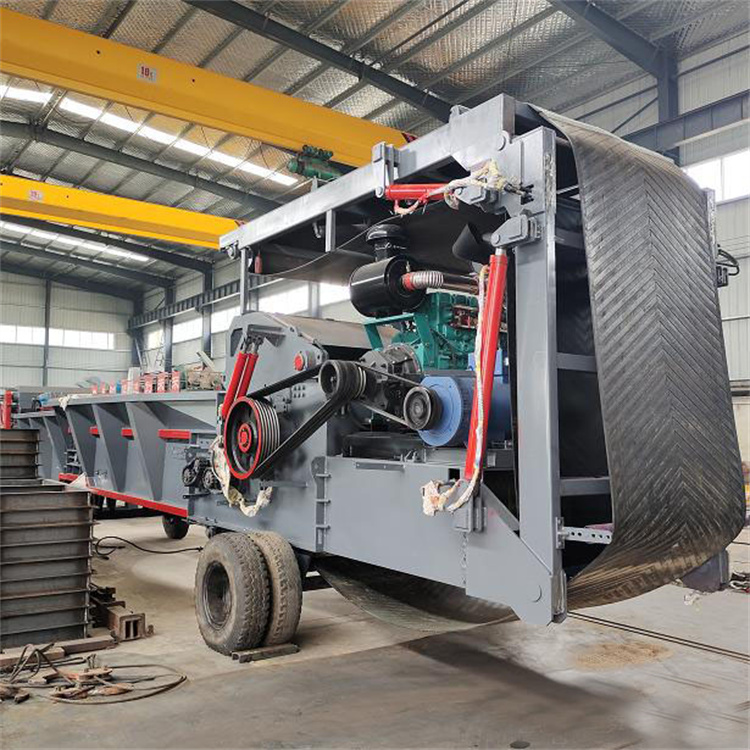
A wood chipper is designed for primary size reduction. It takes logs, branches, and whole trees and reduces them to smaller chips, typically 30–50 mm in size. Wood chippers are the first step in many biomass processing lines—they transform bulky waste into manageable material that can be further processed or sold as mulch or boiler fuel.
Drum chippers are preferred for high‑volume, rough wood processing. Disc chippers offer more uniform chip size for applications like pulp and paper production.
Wood Crushers
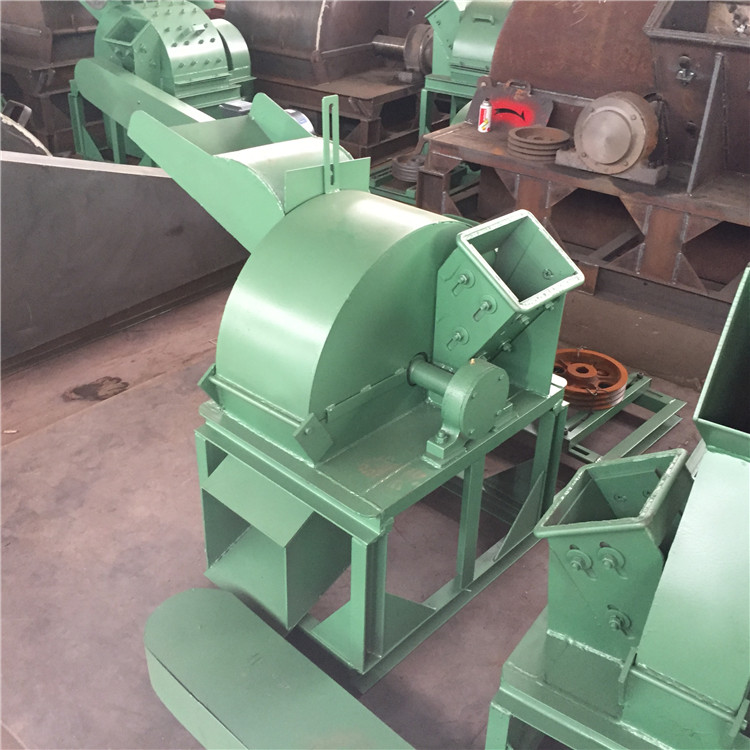
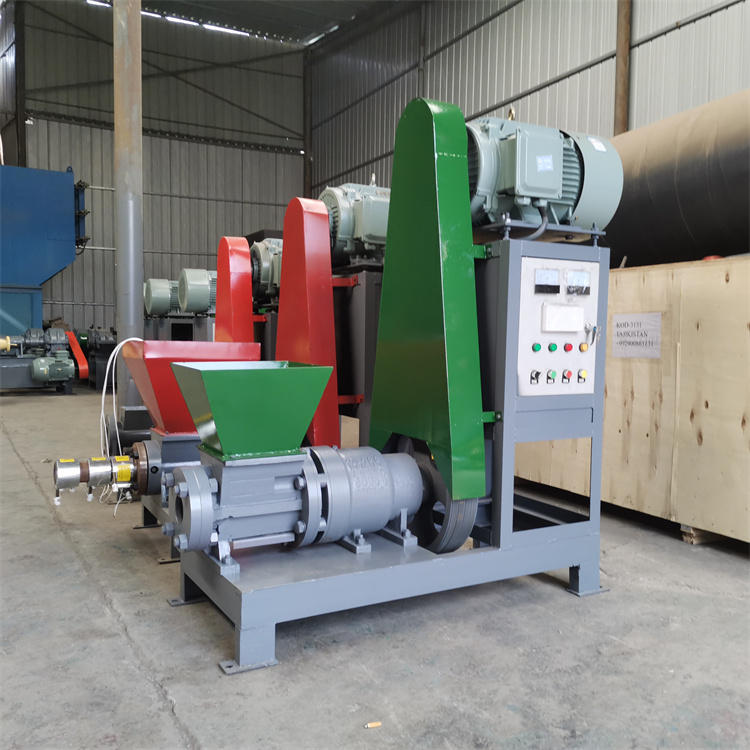
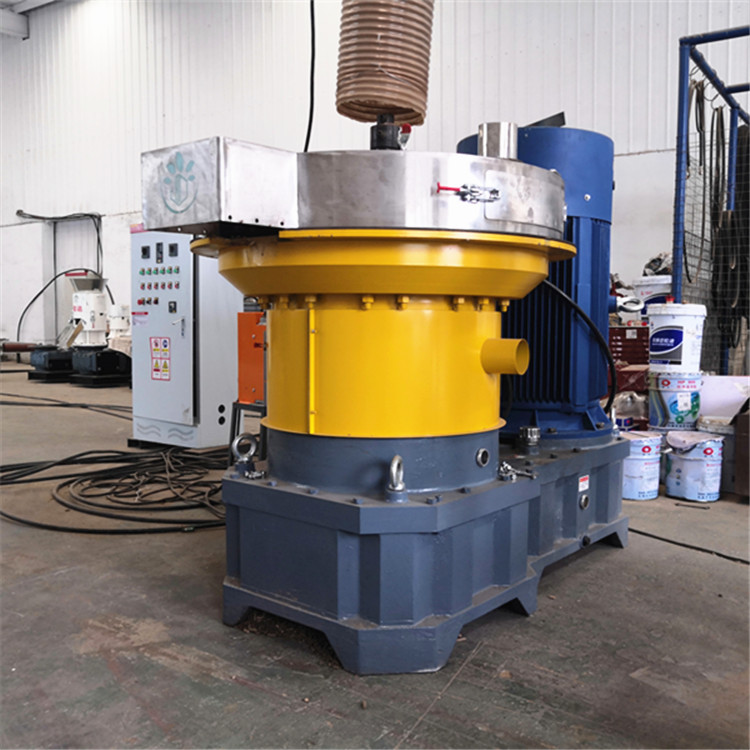
A wood crusher takes size reduction a step further. It uses impact—hammers, rollers, or high‑speed blades—to pulverize material into fine particles like sawdust or powder. If your end product is wood pellets, briquettes, or charcoal, a crusher is non‑negotiable.
Hammer Mills
A hammer mill is the workhorse of the biomass processing industry. It uses high‑speed rotating hammers to pulverize material into fine, consistent particles. Hammer mills are versatile—they can handle wood chips, sawdust, agricultural residues, and even fibrous biomass.
Shredders and Grinders
For mixed, contaminated, or bulky waste—pallets with nails, construction debris, or forestry residues—a biomass shredder is often the best choice. Shredders use slow‑speed, high‑torque cutting to tear material apart without jamming on contaminants.
Key Market Trends for Global Buyers
The wood waste recycling machines for global markets landscape is evolving rapidly. Here are the trends that matter most for international buyers.
1. Automation and Smart Technology
Manufacturers are integrating smart monitoring systems, automated feeding technologies, remote diagnostics, and predictive maintenance features into their machines. These innovations reduce operational disruptions and improve productivity. For a global buyer managing remote operations, remote diagnostics can be a game‑changer.
2. Electric and Hybrid Power
Growing adoption of electric and hybrid‑powered equipment is supporting more efficient and sustainable wood waste processing. Electric models are quieter and produce zero emissions at the point of use—ideal for indoor facilities, urban areas, and regions with strict environmental regulations.
3. Servitization and Bundling
The profitable core of the industry is migrating from capital sales to recurring revenue streams via maintenance contracts, remote monitoring subscriptions, and output quality assurance services. Buyers should look for suppliers that offer comprehensive service packages, not just a machine.
4. Geographic Market Differentiation
Mature markets (Europe, North America) are centers for premiumization and innovation in smart, efficient equipment. High‑growth regions (Asia‑Pacific, Latin America) are volume drivers for cost‑optimized, ruggedized units.
Henan Manto Machinery Equipment Co., Ltd. (also known as Henan Manto Machinery) has been gaining recognition among international buyers for its reliable, energy‑efficient solutions across a full range of wood processing equipment —from compact chippers to heavy‑duty industrial crushers. Their machines are built for demanding commercial use with hardened components and auto‑feed systems, and they offer wear parts and technical support to optimize your cost per ton.
What to Look for in a Global Supplier
When sourcing biomass recycling equipment for international markets, here are the key criteria I recommend.
1. Technical Compliance and Certification
For international buyers, certifications are non‑negotiable. CE marking is mandatory for entry into European markets. ISO 9001 indicates structured quality management. Always request documentation for material traceability, welding standards, and pressure vessel testing protocols.
2. Operational Performance Metrics
Look for suppliers with strong data‑driven performance: on‑time delivery rates above 97%, response times under one hour, and reorder rates above 30%, which indicate product reliability and service quality.
3. After‑Sales Support
This is where many international buyers get burned. A supplier might ship a great machine, but if they can’t provide spare parts or technical support when something breaks, you’re in trouble. Henan Manto Machinery provides comprehensive spare parts support and technical assistance to customers across Southeast Asia, Africa, and South America.
4. Feedstock Testing
Different wood waste materials behave differently during processing. Always ask the supplier to test your actual material on their equipment. A supplier that refuses to demonstrate their machine with your feedstock is a red flag.
Investment and ROI: Real Numbers
Let’s talk about what a wood waste recycling machine actually costs and how quickly you can recoup your investment.
Prices vary widely based on capacity and automation level. Entry‑level stationary chippers range from $3,000 to $10,000. Mid‑range mobile and towable chippers typically cost $10,000 to $40,000. High‑capacity heavy‑duty chippers can run $40,000 to $100,000+.
A medium‑sized operation processing 5–15 tons per hour can expect to invest $20,000–$50,000. With a 5.4% CAGR in the wood waste recycling machine market, demand is steady and growing.
Businesses that invest in wood waste recycling machines can save money on waste disposal costs and generate additional revenue by selling recycled wood materials. The payback period for a mid‑sized operation is typically 6–18 months.
Common Mistakes to Avoid
-
Buying on price alone — The cheapest option is rarely the best value. You’ll spend more on downtime and repairs than you saved.
-
Skipping feedstock testing — Always test the machine with your actual material before buying.
-
Ignoring spare parts availability — A broken screen or hammer can shut you down for weeks. Order a spare parts kit with your initial purchase.
-
Underestimating power requirements — A medium‑sized hammer mill needs 50–150 kW of power. Check your facility’s capacity before ordering.
-
No after‑sales support strategy — Make sure your supplier has a local agent or can provide remote troubleshooting and fast parts shipping.
Conclusion
The wood waste recycling machines for global markets sector is growing rapidly—driven by environmental regulations, the shift to renewable energy, and the rising value of recycled wood products. Whether you’re a sawmill owner drowning in sawdust, a furniture manufacturer with mountains of offcuts, or an entrepreneur looking to enter the biomass market, the right equipment can transform your wood waste from a liability into a valuable asset.
Henan Manto Machinery Equipment Co., Ltd. offers a full range of wood processing equipment —from wood chippers and drum chippers to hammer mills and comprehensive wood crushers . Their machines are engineered for heavy continuous use, backed by spare parts support, and priced to deliver a solid return on investment.
Take the time to assess your feedstock, your production goals, and your budget. Test the equipment. And choose a supplier that will support you long after the first shipment arrives. The global market is waiting—and your wood waste is worth more than you think.