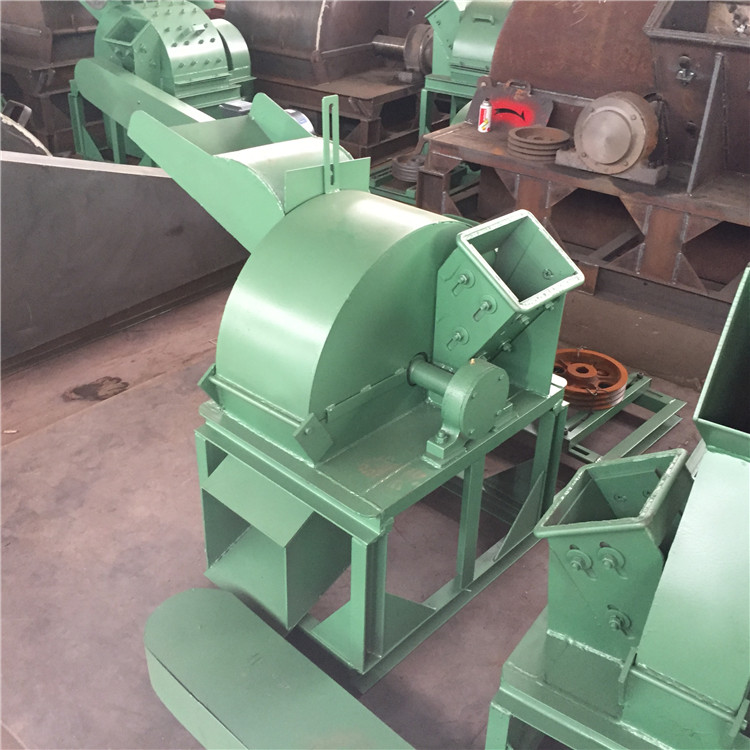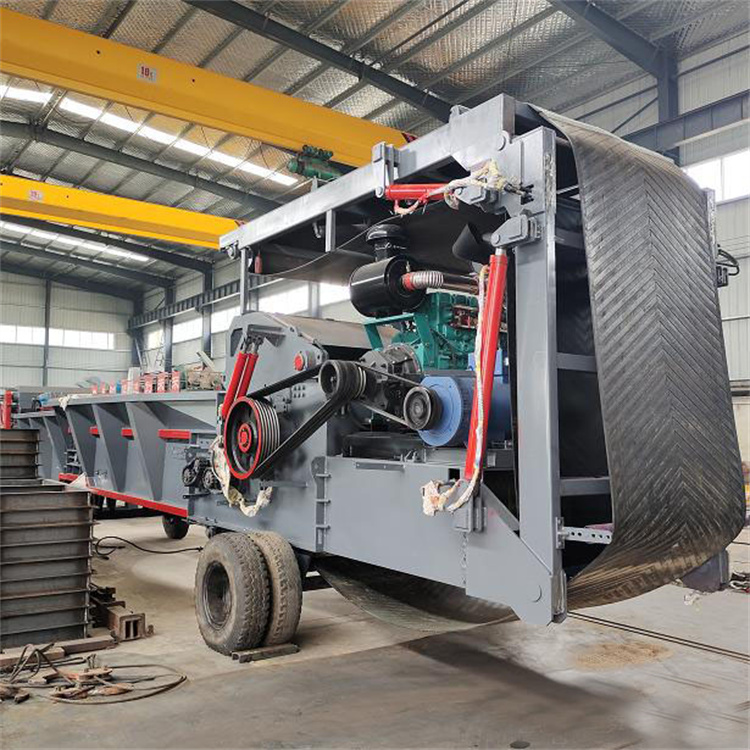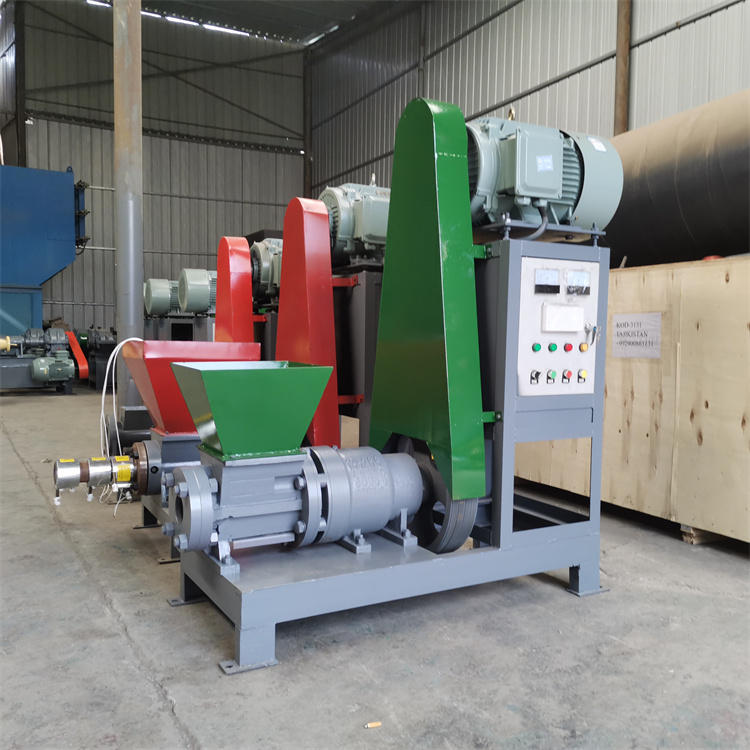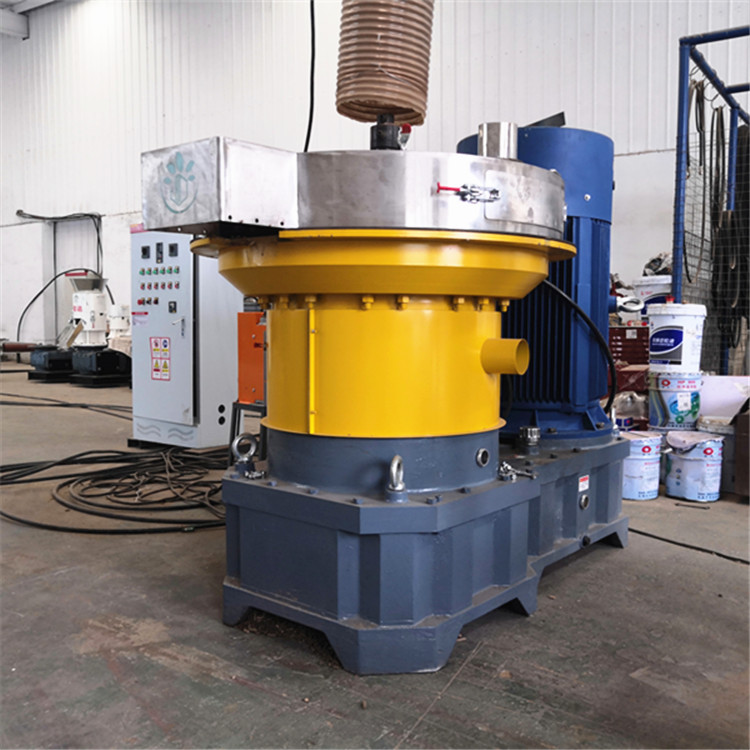
A wood chipper is one of the most hardworking assets in forestry, land clearing, municipal recycling, and biomass production. Whether processing massive logs or clearing heavy brush, these machines are subjected to immense mechanical stress, high vibrations, and relentless wear. However, high-volume production doesn’t have to mean premature breakdown.
Proper maintenance is the single most decisive factor in extending machine service life, reducing operational costs, and preventing costly unscheduled downtime. With proactive care, quality machinery—such as industrial wood processing equipment designed by Henan Manto Machinery Equipment Co., Ltd.—can deliver peak output for decades.
Below is an actionable maintenance guide to keep your equipment running smoothly and maximize your return on investment.
1. Inspect and Maintain Chipper Blades Daily
The knives or blades are the heart of any wood chipper. Operating with dull, chipped, or improperly gapped blades dramatically increases torque requirements, strains the engine or drive motor, and leads to uneven wood chips.
-
Check for Sharpness: Dull blades do not cut cleanly; instead, they hammer raw timber, sending harsh vibration feedback through the rotor assembly and drive shaft. Inspect blades daily before turning on the unit.
-
Routine Blade Sharpening: Implement a scheduled chipper blade sharpening routine. Always sharpen blades at the manufacturer’s recommended bevel angle to preserve blade structural integrity.
-
Maintain the Anvil Gap: The distance between the rotating blade and the stationary anvil (counter-knife) dictates cutting performance. Too wide of a gap causes stringy, low-quality chips and jams; too tight of a gap risks catastrophic metal collision. Adjust anvil clearance according to factory specifications using a feeler gauge.
-
Torque Retaining Bolts: Loose blade bolts can cause catastrophic internal destruction. Use a calibrated torque wrench to verify every bolt meets the proper tightness spec before starting production.
2. Master Lubrication Practices
Friction is the ultimate enemy of heavy machinery. Bearings, rotor shafts, drive belts, and feed rollers operate under extreme pressure and require continuous, high-grade lubrication to prevent overheating and premature wear.
-
Grease Key Bearings: Main rotor bearings handle thousands of revolutions per minute under continuous shock loads. Apply high-temperature, extreme-pressure (EP) lithium grease at intervals recommended by the manufacturer (typically every 8 to 10 operating hours).
-
Avoid Over-Greasing: Blowing out bearing dust seals by over-pressurizing grease guns allows dirt, wood dust, and moisture into the bearing housing, accelerating wear.
-
Lubricate Pivot Points and Slides: Keep feed roller pivot arms, hydraulic cylinder pins, and discharge chute adjustment mechanisms well-greased so they move smoothly without binding.
3. Keep the Hydraulic System Clean and Cool
For modern high-capacity commercial wood chippers and drum chippers, the hydraulic system drives the infeed rollers, controlling material intake speed and power. Contaminated hydraulic fluid or failing seals will quickly degrade system responsiveness.
-
Monitor Oil Levels and Temperatures: Always verify that hydraulic oil levels are within normal limits before starting a shift. Overheating hydraulic fluid loses its lubricating viscosity, causing pump cavitations and valve failure.
-
Routine Filter Changes: Replace hydraulic return line filters after the initial break-in period and every 500 operating hours thereafter (or according to your user manual).
-
Inspect Hoses and Couplings: Check for abrasion, cracks, or minor leaks along all hydraulic lines. Small high-pressure leaks can quickly evolve into complete fluid loss or fire hazards.
Leading equipment manufacturers like Henan Manto Machinery engineer robust hydraulic feed systems designed for continuous industrial use. Performing routine fluid analysis and maintaining thermal controls keeps these feed mechanisms operating smoothly year after year.
4. Monitor Belt and Drive System Tension
Power transfer from the engine or electrical motor to the cutting drum or disc usually relies on heavy-duty V-belts or direct coupling systems. Slip or misalignment in these mechanisms drains energy efficiency and burns through components.
-
Check Belt Tension: New drive belts stretch during their initial break-in period. Loose belts slip, generate destructive friction heat, and cause loss of cutting power. Over-tightened belts, on the other hand, place excessive radial load on drive shafts and bearing housings.
-
Inspect Alignment: Use a straightedge or laser alignment tool to confirm that drive pulleys are perfectly aligned. Sheave misalignment accelerates edge wear on belts and causes uneven bearing loads.
-
Clear Debris from Belt Housings: Wood shavings, bark, and dust can accumulate inside protective drive guards. Clean these housings regularly to prevent heat buildup and belt degradation.
5. Daily Cleaning and Debris Removal
Accumulation of moist wood fibers, resin, and sap inside the machine can cause severe corrosion and mechanical binding over time.
-
Clean the Rotor and Drum Housing: At the end of every operating shift, disconnect the power source, lock out the machine, open the rotor guard, and remove packed sawdust or trapped branches.
-
Prevent Moisture Trap Corrosions: Resin and green wood moisture are mildly acidic. Allowing damp biomass to sit in the chute or casing overnight accelerates rust formation on critical steel components.
-
Keep Air Intake Grilles Clear: Engine-driven wood chippers rely on high airflow for cooling. Regularly blow out radiator fins, air filters, and engine grilles with compressed air to avoid thermal shutoffs.
6. Implement a Preventive Maintenance Schedule
To maximize machine longevity and maintain resale value, build a rigid maintenance schedule categorized by operational hours:
| Interval | Key Maintenance Tasks |
| Daily (Every 8–10 Hours) | Inspect blade sharpness and anvil clearance; grease main rotor bearings; check engine/hydraulic fluid levels; clear wood buildup from the rotor housing. |
| Weekly (Every 40–50 Hours) | Check drive belt tension and sheave alignment; inspect hydraulic hoses for pinhole leaks; inspect safety shutoff bars and emergency stops. |
| Monthly (Every 200 Hours) | Rotate or replace dull wood chipper blades; inspect frame welds and towing hitches; clean/replace air intake filters. |
| Semi-Annually / Annually | Replace hydraulic oil and return filters; perform a comprehensive check of structural bolts and rotor balance; flush engine coolant systems. |
By adhering to this structured preventive approach, equipment operators dramatically reduce the total cost of ownership and avoid unexpected operational shutdowns.
Choosing Durable Machinery Built for Longevity
While proactive maintenance extends any machine’s lifespan, long-term durability ultimately starts with solid manufacturing quality. Investing in heavy-duty machinery crafted with heavy gauge steel, precision-balanced rotors, and industrial-grade components makes routine maintenance far easier and more effective.
As a global leader in wood processing and recycling machinery, Henan Manto Machinery Equipment Co., Ltd. manufactures robust drum chipper models, wood crushers, and biomass systems built to withstand the demands of heavy continuous production. Designed with accessible maintenance panels, hardened alloy steel cutting components, and high-efficiency drive systems, their equipment helps businesses achieve consistent performance with minimal downtime.
By pairing high-quality industrial wood chippers with a strict daily maintenance discipline, you can ensure your operational pipeline stays efficient, productive, and profitable for years to come.