Skip to content
Choosing the right wood chipper for large branches is essential for efficient operation, cost savings, and long-term durability. Whether you’re handling tree trimming waste, forestry residue, or landscaping debris, selecting the correct chipper size can significantly impact productivity. In this guide, we’ll break down everything you need to know to determine the ideal chipper size for your needs.
Why Size Matters in a Wood Chipper
When processing large branches, chipper size directly affects:
-
Cutting capacity (maximum branch diameter)
-
Engine power (electric, diesel, or PTO-driven)
-
Throughput efficiency
-
Safety and durability
Using an undersized machine can lead to clogging, motor strain, and frequent maintenance. On the other hand, an oversized industrial wood chipper may result in unnecessary fuel costs and higher upfront investment.
Understanding Branch Diameter Capacity
The first factor to consider is the maximum branch diameter you need to process.
-
Small chippers (2–4 inches / 5–10 cm): Suitable for light garden waste
-
Medium chippers (5–8 inches / 12–20 cm): Ideal for landscaping businesses
-
Large chippers (10–16 inches / 25–40 cm): Designed for forestry and industrial use
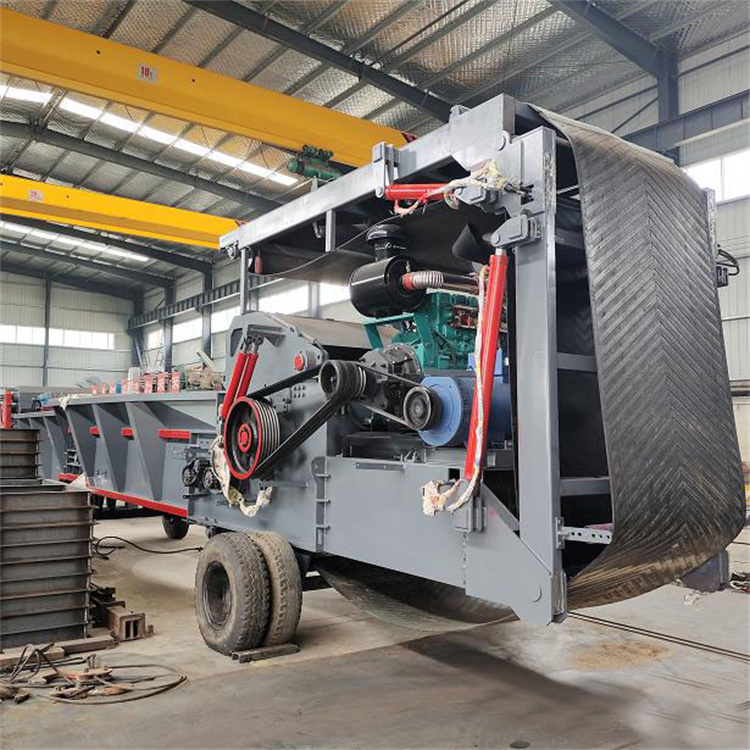
For handling large branches, you should typically look for a heavy-duty wood chipper with a capacity of at least 10 inches or more. If your operation regularly deals with thick hardwood limbs, a 12–16 inch industrial wood chipper machine is recommended.
Engine Power Requirements
The chipper’s power source determines how effectively it can handle large branches.
1. Electric Wood Chippers
-
Best for light-duty applications
-
Limited capacity for large branches
-
Not recommended for industrial use
2. Gasoline/Diesel Wood Chippers
-
Higher torque and cutting strength
-
Ideal for wood chipper for large logs
-
Common in commercial and industrial settings
3. PTO Wood Chippers
-
Powered by tractors
-
Suitable for farms and forestry operations
-
Excellent for processing thick branches and tree trunks
For large branches, a diesel wood chipper machine with at least 50–150 HP is typically required, depending on workload.
Drum vs. Disc Chippers for Large Branches
When choosing a chipper, the cutting mechanism also plays a crucial role.
Drum Wood Chippers
-
High efficiency for continuous feeding
-
Handles large and irregular branches easily
-
Common in industrial wood chipper machines
Disc Wood Chippers
-
Produces more uniform chips
-
Better for controlled feeding
-
Suitable for medium to large operations
For heavy-duty applications, a drum wood chipper for large branches is often the preferred choice due to its higher throughput and durability.
Key Features to Look For
When selecting the best chipper size, consider the following features:
1. Hydraulic Feeding System
A hydraulic feed wood chipper ensures smooth intake of large branches, reducing manual labor and improving safety.
2. Rotor Size and Blade Quality
Larger rotors and high-quality blades enhance cutting efficiency and longevity.
3. Mobility Options
-
Towable wood chippers for job sites
-
Tracked wood chippers for rough terrain
-
Stationary chippers for industrial plants
4. Output Chip Size Control
Adjustable chip size is useful for biomass production, landscaping mulch, or composting.
Matching Chipper Size to Your Application
Landscaping Businesses
-
Recommended: 6–10 inch chipper
-
Handles pruning waste and medium branches efficiently
Tree Service Companies
-
Recommended: 10–12 inch commercial wood chipper
-
Ideal for frequent processing of large limbs
Forestry & Biomass Production
-
Recommended: 12–16 inch industrial wood chipper
-
Designed for high-volume operations and large logs
Farms & Rural Properties
-
Recommended: PTO-driven chipper (8–12 inch)
-
Flexible and cost-effective solution
Common Mistakes to Avoid
-
Underestimating branch size
Always choose a chipper slightly larger than your maximum branch diameter. -
Ignoring power requirements
A machine with insufficient horsepower will struggle with dense hardwood. -
Overlooking maintenance needs
Industrial machines require regular blade sharpening and servicing. -
Focusing only on price
A cheaper chipper may cost more in repairs and downtime over time.
Cost Considerations
The price of a wood chipper varies based on size and features:
-
Small electric models: $500–$2,000
-
Mid-range commercial chippers: $5,000–$15,000
-
Large industrial wood chippers: $20,000–$100,000+
While larger machines require higher investment, they deliver better efficiency and long-term ROI for heavy workloads.
Final Thoughts
Selecting the right wood chipper size for large branches depends on your specific needs, including branch diameter, workload, and operating environment. For most heavy-duty applications, a 10–16 inch industrial wood chipper with a powerful diesel engine and hydraulic feeding system is the optimal choice.
By choosing the correct machine, you can improve productivity, reduce downtime, and ensure safe, efficient wood processing.