Turning organic waste into usable energy is no longer a distant idea. Farmers, sawmills, forestry operators, and energy plants already do it every day with the right biomass recycling equipment. The question is straightforward: what machines actually convert branches, sawdust, crop residues, and other organic materials into fuel that can heat buildings, power boilers, or generate electricity?
The answer lies in a clear sequence of size reduction, drying, and densification. Each stage needs specific equipment that matches the feedstock and the final energy product.
Why Biomass Recycling Matters for Energy
Wood and agricultural residues carry stored energy from the sun. When left to rot or burn openly, that energy is largely lost and can create environmental problems. Processed correctly, the same material becomes a dense, transportable, and relatively clean fuel. Biomass pellets and chips burn more efficiently than raw waste, produce less smoke, and can replace coal or oil in many heating systems.
The process starts with bulky material that cannot go straight into a boiler or pellet mill. Large branches, logs, palm fronds, or straw bales must first be reduced in size. That is where primary recycling machines come in.
Primary Size Reduction: Chippers and Crushers
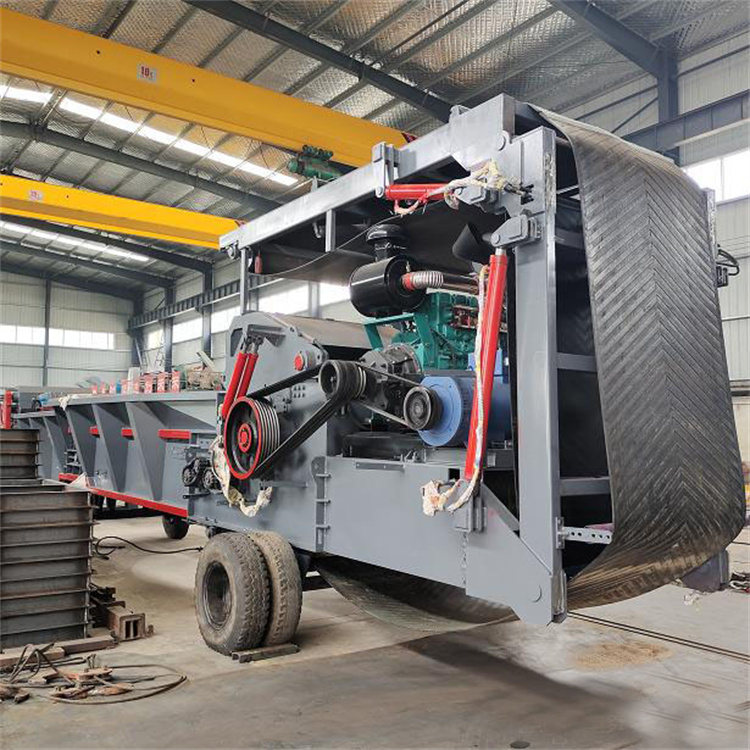
The first machines most operators need are industrial wood chippers and crushers. A drum chipper handles logs, thick branches, and mixed forestry waste effectively. Its rotating drum pulls material in and cuts it into uniform chips, typically in the 20–80 mm range. These chips work well as boiler fuel or as intermediate feedstock for further grinding.
For finer initial reduction or for materials that include boards and offcuts, a disc crusher offers another strong option. Disc machines often produce cleaner, more consistent chips that suit pulp, particleboard, or certain biomass energy applications.
Both types reduce volume dramatically. Hauling unchipped branches costs more in fuel and truck space. On-site chipping or crushing cuts transport needs and prepares material for the next stage.
Fine Grinding: The Role of Hammer Mills
Once material is chipped, many energy production lines require a finer particle size. Pellet mills, for example, usually need feedstock under 5 mm. A hammer mill uses high-speed rotating hammers to pulverize chips, sawdust, straw, and other residues into the required fineness.
Hammer mills are versatile. They handle a wide range of moisture levels better than some other grinders when the material is not too wet, and operators can change screens to control output size. In a typical biomass energy plant, the hammer mill sits after the primary chipper and before the dryer or pellet mill.
Densification: Turning Powder into Fuel
Fine biomass burns quickly and can be dusty. Densification solves both problems. The most common densified form for energy is the biomass pellet. A biomass pellet machine compresses dried, ground material through a die under high pressure and heat. Natural lignin in the wood acts as a binder, so no extra glue is needed in most cases.
Ring-die pellet mills are preferred for continuous industrial production. They deliver higher capacity and longer wear life compared with smaller flat-die units. The resulting pellets have high energy density, consistent size, and good combustion characteristics. They store and transport easily and feed automatically into modern boilers.
Briquette presses serve a similar purpose when larger fuel blocks are preferred. Both pellet and briquette machines complete the transformation from loose waste to standardized energy product.
Moisture Control and Supporting Equipment
Most densification processes require moisture below 15 percent. Fresh wood or green agricultural residues often sit well above that level. Rotary dryers or other industrial drying systems remove excess water using heat, frequently generated by burning a portion of the biomass itself. Proper drying improves pellet quality, raises calorific value, and stabilizes the entire line.
Conveyors, screens, coolers, and dust collection systems round out a complete plant. Together they create a continuous flow from raw waste to finished fuel.
Matching Equipment to Local Needs
Not every operation needs the full line. A small sawmill may only require a chipper and a small pellet mill. A large biomass power plant might run multiple high-capacity drum chippers, heavy-duty hammer mills, large dryers, and several industrial pellet machines. Feedstock type also matters. Hardwood, softwood, palm waste, rice husks, and mixed construction wood each behave differently under the blades and rollers.
Operators should test their actual material when possible. Capacity ratings assume certain moisture levels and particle sizes. Real-world performance depends on matching the machine to the daily volume and the characteristics of the local waste stream.
Practical Benefits for Energy Producers
Well-chosen biomass recycling equipment delivers several clear advantages. Volume reduction lowers hauling costs. Uniform fuel improves boiler efficiency and reduces maintenance. Turning waste into a saleable product creates a new revenue stream or cuts fuel purchases. In regions with growing renewable energy targets, densified biomass supports compliance and can qualify for incentives.
The environmental side is equally practical. Diverting organic waste from landfills reduces methane emissions. Replacing fossil fuels with biomass lowers the carbon intensity of heat and power generation when the material comes from sustainable sources.
Choosing Reliable Equipment and Support
Durability, spare-parts availability, and technical support matter as much as the initial specifications. Knives, hammers, dies, and screens wear over time. A supplier that understands continuous industrial operation and can ship parts quickly keeps downtime low.
Henan Manto Machinery Equipment Co., Ltd. has supplied wood processing and biomass equipment for more than two decades. The company offers drum chippers, hammer mills, disc crushers, and complete biomass pellet lines designed for the realities of forestry, agriculture, and energy production. Operators working with mixed organic waste often find that a combination of primary chipping followed by fine grinding and densification produces the most stable results.
Manto Machinery focuses on matching machine capacity to the customer’s feedstock and target output rather than pushing a one-size-fits-all solution. That practical approach helps plants reach consistent production without constant adjustments.
Building a Complete Energy Production Line
A typical medium-scale line might look like this: material is fed into a drum chipper or disc crusher, then moves by conveyor to a hammer mill for fine grinding. Dried material enters a biomass pellet machine, exits through a cooler, and is screened and bagged or stored in bulk. The entire system can run with biomass-fired dryers so that the plant is largely self-sufficient in process heat.
Larger installations add redundancy, automation, and quality-control sensors. Smaller setups keep the process simpler and more mobile, sometimes using diesel-powered chippers for remote sites.
Looking Ahead
Demand for reliable, renewable heat and power continues to grow. Biomass recycling equipment sits at the practical center of that demand. It turns a disposal problem into a local energy resource. The machines themselves are mature technologies refined over years of field use. Success depends less on novelty and more on correct selection, proper installation, and steady maintenance.
Whether the goal is to fuel a district heating system, supply industrial boilers, or produce export-grade pellets, the core equipment remains the same: robust primary size reduction, effective fine grinding, controlled drying, and reliable densification. Companies that invest in the right combination of machines and pair them with good operating practices turn organic waste into a steady source of energy.
Henan Manto Machinery continues to support operators worldwide with equipment that handles real-world biomass streams. Selecting proven machines from an experienced manufacturer such as Manto Machinery gives energy producers a practical foundation for converting waste into fuel that performs day after day.