The global shift toward renewable energy has made biomass machinery a critical investment for industries ranging from agriculture to waste management. However, the performance and longevity of your biomass production line depend almost entirely on the quality of the equipment and the reliability of the manufacturer who supplies it. Choosing the wrong supplier can lead to frequent breakdowns, poor output quality, and costly downtime. This guide outlines essential steps to help you identify a dependable biomass machine supplier while embedding key SEO terms to assist your research.
1. Evaluate Manufacturing Standards and Certifications
A reliable biomass machine supplier should operate under recognized quality management systems. Look for ISO 9001:2015 certification, CE marking, or other region‑specific approvals. These certifications indicate that the supplier follows consistent production processes, performs rigorous testing, and meets safety and environmental standards. For example, Henan Manto Machinery Equipment Co., Ltd. holds multiple international certifications, ensuring that every biomass pellet mill, briquette press, or dryer meets strict durability and performance benchmarks.
Long‑tail keyword tip: When searching, use phrases like “certified biomass equipment manufacturer with CE and ISO” to filter out low‑quality vendors.
2. Assess the Range of Biomass Machinery Offered
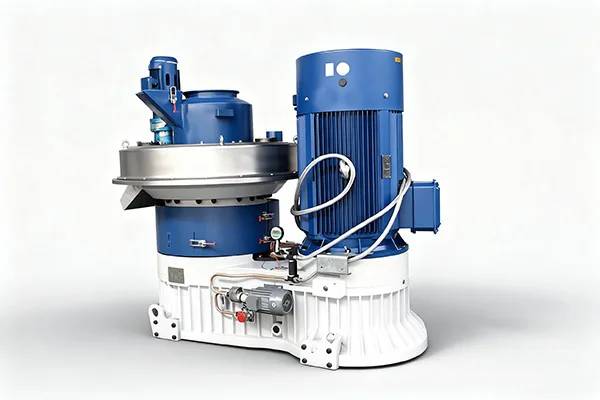
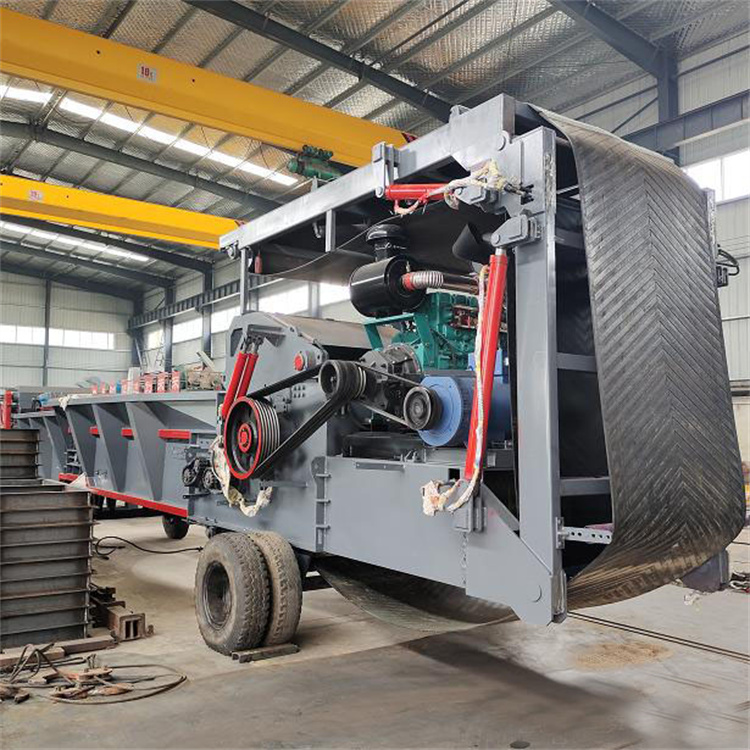
A supplier that provides a complete line of biomass processing equipment—including chippers, hammer mills, dryers, pellet mills, briquette presses, and coolers—is often more reliable than one specializing in only one machine. For smaller-scale operations, a cost-effective flat mold pellet machine provides an accessible entry point. For fine grinding of wood chips into sawdust, a hammer mill is the ideal solution. Full‑line suppliers understand how each component interacts, reducing integration headaches. Key machines to look for:
-
Biomass pellet machine (flat die or ring die)
-
Biomass briquette machine (screw or piston type)
-
Hammer mill / crusher—discover the full guide to wood crusher machines
-
Rotary dryer
-
Cooling and packing system
Long‑tail keyword example: “full‑line biomass briquette machinery supplier for industrial use”
3. Verify After‑Sales Support and Spare Parts Availability
Even the best equipment requires maintenance. A trustworthy supplier provides clear warranties (typically 12–24 months), on‑site or remote technical support, and a reliable supply of spare parts. Ask about:
-
Average response time for technical queries
-
Stock availability of wear parts (dies, rollers, bearings)
-
Training for your operators
Leading companies like Henan Manto Machinery maintain regional warehouses and a dedicated after‑sales team, ensuring that your production line never stops for lack of a simple bearing or die.
Long‑tail keyword: “biomass machine supplier with fast spare parts delivery”
4. Check Customization Capabilities
Every biomass project has unique raw material characteristics—moisture content, fiber size, ash content, and throughput requirements. A reliable supplier should be willing to customize:
-
Die hole size and compression ratio
-
Material of construction (stainless steel for corrosive feedstocks)
-
Inlet and outlet configurations
-
Automation levels (PLC control, remote monitoring)
Ask for case studies where the supplier modified standard designs. If they cannot provide evidence of past custom work, they may lack engineering depth.
5. Request Customer References and Site Visits
Do not rely solely on website testimonials. Ask for contact information of at least three customers who have been using the supplier‘s machines for over a year. Ideally, visit an operational plant to see the equipment in real conditions. During the visit, observe:
-
Production consistency
-
Noise and dust control
-
Energy consumption vs. rated values
-
Ease of cleaning and maintenance
Long‑tail keyword: “how to verify a biomass pellet machine supplier through site visits”
6. Compare Pricing Transparently
While cost is important, the lowest bid often leads to higher total cost of ownership (TCO). A reliable supplier provides a detailed quotation breaking down:
-
Machine price
-
Shipping and insurance
-
Installation and commissioning fees
-
Training costs
-
Warranty terms and extended service options
Be cautious of suppliers that quote a low base price but add hidden fees for packaging, port handling, or basic components. A transparent pricing model is a strong indicator of integrity.
7. Review Export Experience and Logistics Support
If you are importing machinery, choose a supplier with documented export experience to your country. They should understand:
-
Required customs documentation (commercial invoice, packing list, bill of lading)
-
Export packaging standards (waterproof, shock‑resistant crates)
-
Incoterms (typically FOB or CIF)
Henan Manto Machinery Equipment Co., Ltd. has shipped biomass processing lines to over 60 countries, including the USA, Germany, Vietnam, and Nigeria, and provides full logistics coordination—from factory loading to final delivery at your site.
8. Analyze Digital Presence and Technical Resources
A professional biomass machine supplier invests in educational content. Search for suppliers that publish:
-
Detailed specification sheets and CAD drawings
-
Installation videos and troubleshooting guides
-
Blogs or whitepapers on biomass technology
Such resources demonstrate confidence in their products and a commitment to customer success. They also help you self‑educate before making a purchase decision.
9. Consider Future Scalability
Your biomass business may grow from a few hundred kilograms per hour to several tons. Choose a supplier that offers modular, expandable systems. For instance, you might start with a single 300 kg/h pellet mill and later add a second unit or integrate a pre‑drying stage. A reliable partner will provide a clear upgrade path without requiring you to scrap existing equipment.
10. Test the Machine Before Purchase
Whenever possible, request a factory acceptance test (FAT) using your own raw material. Many top suppliers, including Henan Manto Machinery, have demonstration centers where you can run wood chips, agricultural residues, or municipal waste through their equipment. Observe the pellet/briquette quality, durability, and production rate. A test also reveals the supplier‘s technical expertise—do they adjust parameters correctly for your material?
Conclusion
Selecting a reliable biomass machine supplier requires more than comparing price lists. You need a partner with proven manufacturing standards, comprehensive after‑sales support, customization ability, and export experience. By following the steps above—checking certifications, requesting references, testing machinery, and evaluating scalability—you minimize risk and maximize return on investment.
Remember to incorporate search‑friendly terms such as “certified biomass machine supplier”, “custom biomass briquette machinery”, and “after‑sales support for biomass pellet mill” when researching online. For a proven track record of quality and service, consider Henan Manto Machinery Equipment Co., Ltd.—a globally recognized name in sustainable energy equipment.
With the right supplier, your biomass operation will not only produce green energy efficiently but also enjoy years of trouble‑free production. Start your selection process today, and invest in reliability from the ground up.