Every spring and fall, landscaping companies, municipalities, and golf courses face the same expensive problem: mountains of green waste. Branches, leaves, grass clippings, and tree trimmings quickly fill dumpsters, and hauling them to landfills or composting facilities costs thousands of dollars annually. But what if you could turn that cost into a revenue stream? The answer lies in a simple but powerful machine: the wood chipper.
This article explores reducing green waste disposal costs with wood chippers by examining how the right equipment can cut transportation fees, create valuable byproducts, and even generate new income. Whether you manage a small nursery or a large municipal fleet, understanding the financial and operational benefits of on-site chipping will transform your waste management strategy.
The Hidden Costs of Green Waste Disposal
Before diving into solutions, let’s quantify the problem. Green waste disposal typically involves three major expenses:
Hauling fees – Trucks and trailers, fuel, and driver wages add up quickly. A single load of uncompacted branches and leaves fills a 30-yard dumpster but weighs very little, meaning you pay for volume rather than weight in many jurisdictions. This is called “light but large” waste, and it is the least efficient way to use transport capacity.
Landfill or composting tipping fees – Landfills charge by the ton or by the cubic yard. In the United States, green waste tipping fees average 40–60 per ton, but in some regions like California or the Northeast, fees exceed 100perton.Foralandscapingcompanyproducing50tonsofgreenwastepermonth,that’s2,000–$5,000 monthly just in disposal fees.
Labor and equipment time – Sorting, loading, and hauling waste takes crew hours away from revenue-generating work. If two employees spend two hours each day on waste logistics, that’s 80 lost labor hours per month.
Reducing green waste disposal costs with wood chippers addresses all three simultaneously. By chipping material on-site, you reduce volume by 75–90%, turning a truckload of branches into a small pile of chips. Fewer trips, lower fees, and faster crew turnaround.
How Wood Chippers Cut Disposal Costs – The Mechanics
A wood chipper for yard waste uses a rotating drum or disc with sharp knives to slice branches, brush, and even whole trees into uniform chips. The output is dense, stackable, and easy to transport. Here is the cost-saving math:
Volume reduction: A pile of loose branches measuring 100 cubic yards chips down to approximately 15–25 cubic yards of chips. That means instead of five dump truck loads, you need only one.
Weight increase per cubic foot: Chips pack tightly, so you actually maximize each truck’s weight allowance. Many waste haulers charge by the ton, and chips allow you to reach legal weight limits efficiently.
Elimination of disposal fees: When you produce usable wood chips, you can sell them, give them away, or use them on-site as mulch. No tipping fee required.
For a medium-sized tree service company, investing in a commercial wood chipper often pays for itself within 6–12 months purely through avoided hauling and disposal costs.
Beyond Cost Reduction: Revenue Opportunities from Chipped Green Waste
Once you start chipping, you are no longer a waste generator – you are a biomass producer. Common revenue streams include:
Mulch sales: Bag or bulk sell wood chips to gardeners, landscapers, and homeowners. Premium dyed mulch sells for 40–80 per cubic yard. Even natural chips bring 15–30 per yard.
Biomass fuel supply: Chips can be sold to biomass power plants, pellet mills, or industrial boilers. Prices vary by region but typically range 20–50 per ton.
Animal bedding: Clean, dry chips from non-toxic tree species are valuable for horse stalls and poultry farms.
Compost feedstock: Sell or trade chips to commercial composting facilities in exchange for finished compost.
Reducing green waste disposal costs with wood chippers is only half the story – the other half is turning a cost center into a profit center.
Choosing the Right Wood Chipper for Your Operation
To maximize savings, you need the right machine. Wood chippers range from small, tow-behind units for residential use to massive industry-leading pieces of equipment for forestry operations. Key factors to consider:
| Operation Size | Recommended Chipper Type | Typical Throughput | Cost Range |
|---|---|---|---|
| Small landscaping (1-2 crews) | Tow-behind disc chipper (6-12 inch capacity) | 5-15 tons/day | 8,000–25,000 |
| Large landscaping / municipal | Drum chipper or horizontal feed (12-18 inch) | 15-40 tons/day | 30,000–80,000 |
| Forestry / biomass production | Industrial wood chipper (18+ inch) | 50-200+ tons/day | 150,000–500,000 |
For most commercial landscapers and tree services, a 12-inch drum chipper offers the best balance of mobility, throughput, and cost. These machines handle branches up to 12 inches in diameter and produce consistent chips suitable for mulch or biomass.
When evaluating suppliers, look for features that further reduce operating costs:
Automatic hydraulic feed rollers – reduce labor and prevent kickback.
Replaceable chipper knives – easy to sharpen or replace without special tools.
Heavy-duty drum or disc – resists damage from occasional rocks or nails.
Low maintenance requirements – fewer breakdowns mean more uptime.
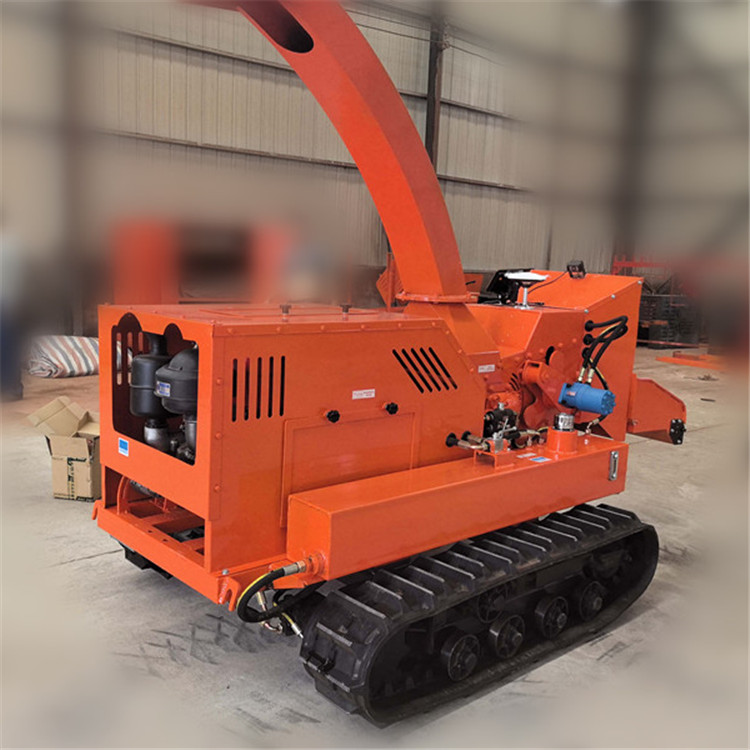
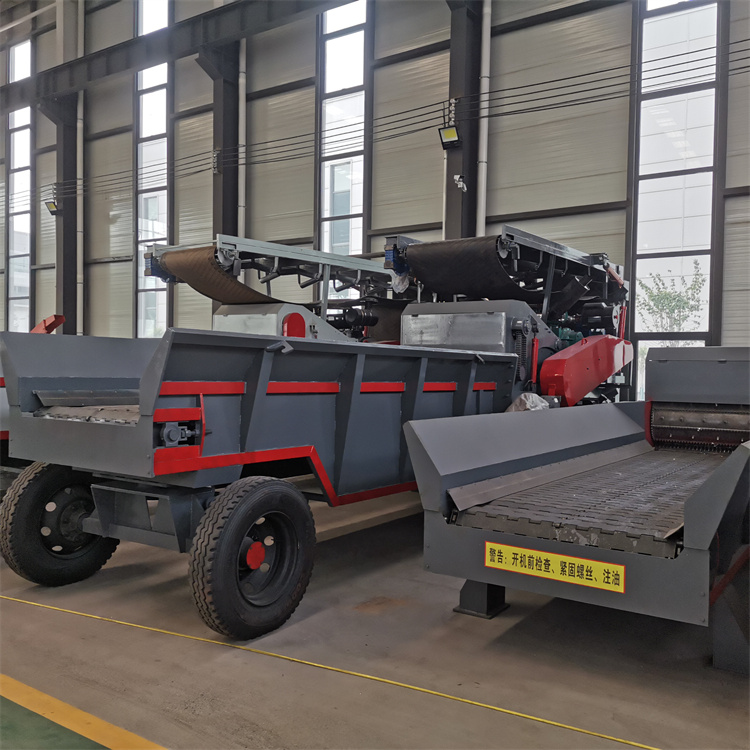
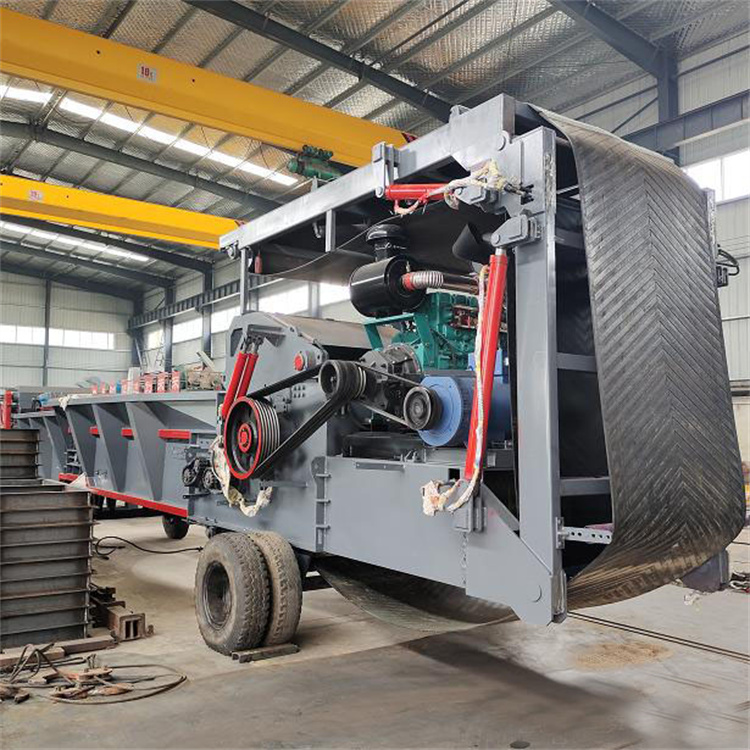
Henan Manto Machinery Equipment Co., Ltd. manufactures a wide range of wood chippers designed specifically for commercial green waste reduction. Their drum chippers feature hardened steel knives, hydraulic auto-feed systems, and compact designs that fit into standard shipping containers for worldwide delivery. Operators report up to 40% lower disposal costs within the first three months of use.
Real-World Case Study: Municipal Parks Department Saves $70,000 Annually
A mid-sized city parks department in the southeastern United States maintained 2,000 acres of public land. Each year, they generated approximately 3,000 tons of green waste from tree trimming, storm cleanup, and routine mowing. Their old method: haul everything to a regional composting facility at $45 per ton, plus transportation costs.
Total annual waste expense: 3,000 tons × 45=135,000 in tipping fees, plus 60,000intruckingandlabor=∗∗195,000**.
After purchasing two 15-inch commercial drum chippers and training crews to chip on-site, the department achieved:
85% volume reduction, cutting truck trips from 500 per year to 75
Transportation cost reduction from 60,000to12,000
Elimination of tipping fees by using chips as park mulch (saving $135,000)
New revenue: sold excess chips to local biomass power plant for 15/ton→15,000
Net annual savings: 135,000(tipping)+48,000 (transport) + 15,000(revenue)=∗∗198,000 improvement**.
Their chipper investment of $70,000 was recouped in less than five months. This is a textbook example of reducing green waste disposal costs with wood chippers at scale.
Environmental and Regulatory Benefits
Beyond dollars, chipping green waste reduces your environmental footprint. Landfills are a major source of methane – a greenhouse gas 25 times more potent than carbon dioxide. When organic waste decomposes anaerobically in landfills, it releases methane. Chipping and reusing wood as mulch or fuel keeps carbon in the biosphere and supports circular economy principles.
Many municipalities now offer tipping fee waivers for chipped green waste that is reused on-site or donated to community gardens. Some even provide grants for purchasing wood chippers as part of waste reduction initiatives. Check with your local solid waste authority.
Common Mistakes to Avoid When Implementing Chipping
To ensure successful reducing green waste disposal costs with wood chippers, avoid these pitfalls:
Buying too small a machine – Undersized chippers choke on larger branches, forcing you to manually cut them first. That wastes labor. Always size for the largest branch you regularly handle.
Neglecting knife maintenance – Dull knives produce stringy, uneven chips that don’t compact well. Worse, they strain the engine and reduce throughput. Sharpen knives every 20–40 operating hours.
Chipping wet or rotten wood – Wet wood clogs the discharge chute and produces low-quality mulch. Rotten wood may contain fungi that spread to healthy trees if used as mulch. Keep a separate pile for low-grade material.
Ignoring safety protocols – Wood chippers are among the most dangerous machines in landscaping. Always use push sticks, keep bystanders away, and never wear loose clothing. Implement a mandatory safety training program.
Not tracking costs and savings – Without data, you cannot prove ROI. Record disposal bills, trucking hours, and chip sales before and after implementing chipping. Share results with your team to maintain momentum.
Maintenance Best Practices for Long-Term Savings
A well-maintained wood chipper lasts 10–15 years. Follow this schedule:
Daily: Check knife bolts, hydraulic fluid levels, and anvil gap. Clean the feed hopper and discharge chute.
Weekly: Lubricate all grease fittings. Inspect belts for cracking. Test the auto-feed reverse mechanism.
Monthly: Rotate or replace chipper knives. Check engine oil and air filters. Examine the drum/disc for cracks.
Annual: Professional inspection of bearings, shaft alignment, and hydraulic system.
Henan Manto Machinery Equipment Co., Ltd. provides comprehensive spare parts support and maintenance guides for all their wood chipper models. Their customer service team offers video tutorials on knife sharpening and belt replacement, reducing downtime for operators worldwide.
Frequently Asked Questions by Green Waste Managers
Q: How much can I realistically reduce my disposal costs?
A: Most customers achieve 60–80% cost reduction within the first year, assuming they replace tipping fees with on-site reuse or sales.
Q: Do I need a special license to operate a wood chipper?
A: No, but operator training is strongly recommended. Many manufacturers offer free training videos. Some regions require safety certification for commercial use.
Q: Can I chip leaves and grass clippings?
A: Standard drum chippers handle dry leaves but clog with wet grass. For mixed green waste, consider a chipper-shredder combination unit or a horizontal grinder with a shredding screen.
Q: How do I dispose of chips if I cannot sell them?
A: Offer free chips to local gardeners via social media. Partner with community gardens or schools. Use as erosion control on construction sites. Or simply spread on your own property as mulch – even that saves disposal fees.
The Future of Green Waste Management
As landfill space becomes scarcer and environmental regulations tighten, reducing green waste disposal costs with wood chippers will shift from a cost-saving tactic to a competitive necessity. Cities are already banning green waste from landfills. Progressive companies often start by exploring how to turn wood waste into biomass fuel before scaling up their chipping operations and building profitable mulch or biomass divisions.
New technology trends include:
Electric wood chippers – lower noise and zero emissions for urban use.
IoT-enabled chippers – sensors that alert you when knives are dull or bearings overheat.
Mobile chipping services – companies that bring large chippers to residential sites, eliminating homeowner disposal costs.
For now, the most accessible solution remains a durable, well-sized commercial wood chipper paired with a smart operational plan.
Conclusion: Turn Waste into Wealth
If you are still paying to haul away branches, leaves, and tree trimmings, you are leaving money on the table. The question “Reducing green waste disposal costs with wood chippers?” has a clear answer: yes, dramatically. By chipping on-site, you reduce transportation needs, eliminate or lower tipping fees, and create a valuable product that can be sold, reused, or donated.
Start by analyzing your current waste disposal bills. Calculate your monthly tonnage and hauling costs. Then research wood chippers that match your throughput requirements. Include in your budget a training plan and a maintenance schedule.
With the right equipment, your green waste problem becomes a green revenue stream. Henan Manto Machinery Equipment Co., Ltd. offers a full range of wood chippers from 6-inch to 24-inch capacity, backed by global spare parts availability and technical support. Contact a representative for a free waste reduction assessment tailored to your operation.
If you’re still unsure whether a chipper or a grinder is the right fit, be sure to read our detailed comparison: Horizontal Grinder vs Wood Chipper for Biomass. Take control of your green waste today – and watch your disposal costs chip away.