Every year, millions of tons of wood waste end up in landfills or are burned openly, causing pollution and wasting a valuable energy source. But what if you could transform that scrap lumber, sawdust, tree trimming, and pallet waste into clean, profitable biomass fuel? The answer is not only possible but also surprisingly straightforward.
This guide answers the question how to turn wood waste into biomass fuel in a practical, step‑by‑step manner. You will learn the essential stages: size reduction, drying, densification, and optionally carbonization. By the end, you will understand what equipment you need, how to avoid common mistakes, and why partnering with a trusted global supplier like Henan Manto Machinery Equipment Co., Ltd. can make your biomass project successful from day one.
Why Convert Wood Waste to Biomass Fuel?
Before diving into the “how,” let’s look at the “why.” Biomass fuel from wood waste offers three powerful benefits:
Economic value – Wood chips, pellets, and briquettes sell for $50–250 per ton depending on your market (heating, power plants, BBQ fuel).
Environmental compliance – Converting waste to fuel reduces methane emissions from landfills and avoids open burning.
Energy independence – Factories, farms, and hotels can replace expensive diesel or natural gas with self‑made biomass.
Globally, the biomass pellet market is growing at 6.5% annually. Understanding how to turn wood waste into biomass fuel positions you to tap into this demand whether you are a recycling center, a woodshop, or an aspiring entrepreneur.
Step 1: Collecting and Sorting Wood Waste
Not all wood waste is equal. Suitable feedstocks include:
Clean wood: construction offcuts, pallets (without chemical treatments), sawmill residues.
Green wood: tree branches, landscaping waste, logging slash.
Agricultural wood: orchard prunings, vineyard stakes.
What to avoid: painted/treated wood (can release toxic fumes), plywood with glue (high ash content), and material with metal or stones.
For a small‑to‑medium operation, sorting by hand or with a simple magnet is sufficient. Larger plants use automated sorting lines and metal detectors. This first step directly answers how to turn wood waste into biomass fuel efficiently – if you start with contaminated material, your end fuel will be low quality or even dangerous to burn.
Step 2: Size Reduction – Chipping and Grinding
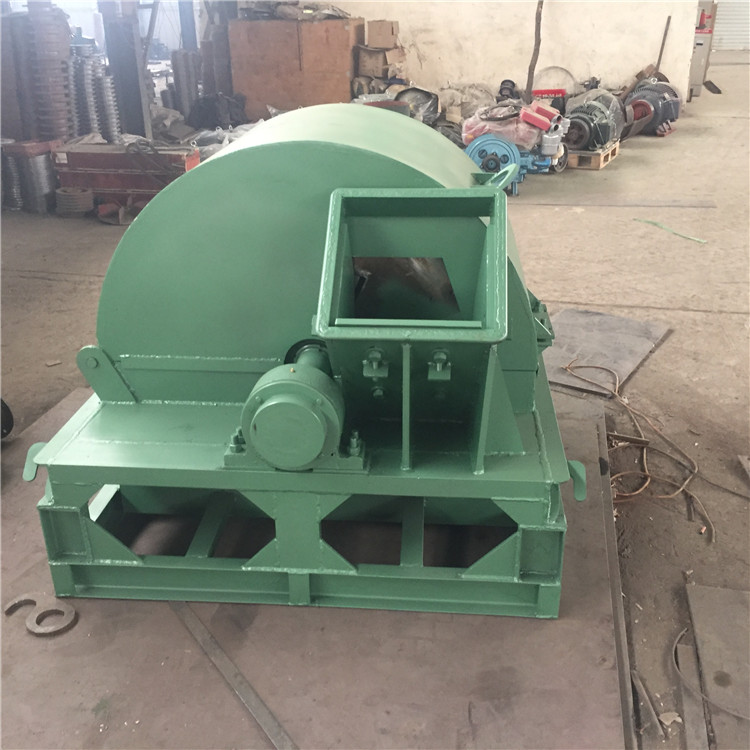
Raw wood waste is often too large or irregular to process further. You need to reduce it to a uniform particle size. This is where two types of machines come into play: wood chippers and horizontal grinders.
Wood chipper: Best for clean logs, branches, and boards. Produces sharp, uniform chips (10–50 mm). Ideal if your waste is already relatively clean and you want to produce fuel for large boilers.
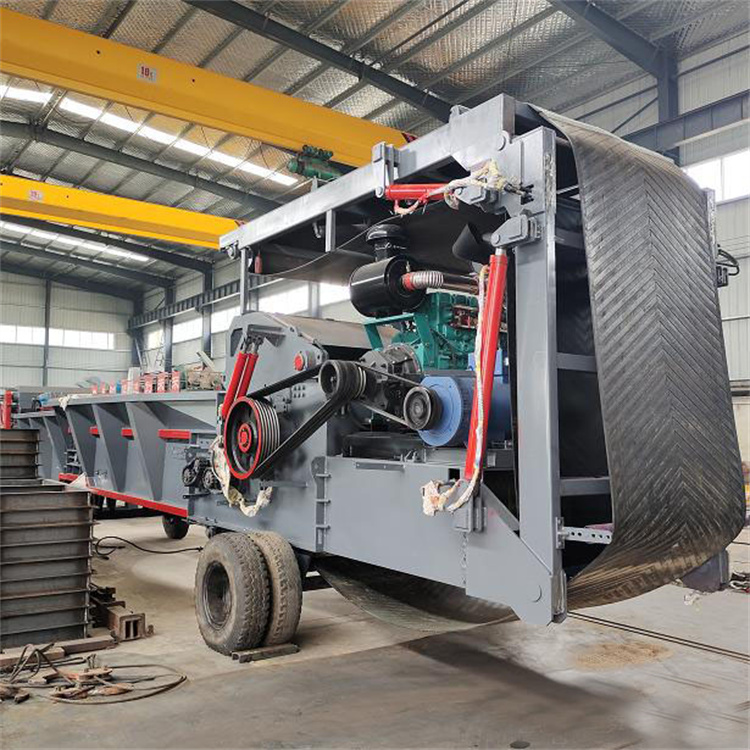
Horizontal grinder: Handles contaminated wood (with nails, dirt, or bark), roots, and pallets. Produces a more varied particle size but is much more forgiving.
If you are serious about how to turn wood waste into biomass fuel on a commercial scale, many operators start with a horizontal grinder because it accepts the widest range of incoming waste. For final pellet or briquette production, you may need a secondary hammer mill to reach 3–6 mm particles.
Pro tip: Always size your reduction equipment to handle the largest piece you expect. A 10‑inch branch requires a chipper with at least a 12‑inch opening or a grinder with a wide feed hopper.
Step 3: Drying – The Most Critical Step
Fresh wood waste often contains 40–55% moisture. Biomass fuel (pellets, briquettes, or even chips for combustion) needs moisture below 15% for complete and clean burning. High moisture leads to:
Poor combustion (low heat, lots of smoke)
Mold and self‑heating during storage
Low density and crumbling pellets
So, how to turn wood waste into biomass fuel without proper drying? You cannot. Two main dryer types are used:
Rotary drum dryer: Handles large volumes, works with chips and sawdust. Tumbles material through a heated drum. Efficient but requires more space.
Airflow (flash) dryer: Best for fine sawdust or small particles. Uses high‑velocity hot air to dry material in seconds. Compact and fast.
Heat sources for drying can be biomass burners (using a portion of your own wood waste), exhaust gas from a carbonization furnace, or even waste heat from a nearby industry. Modern systems recycle hot air to cut energy costs by 30–50%.
Many first‑time producers skip drying to save money – and fail. A good supplier will insist you include a dryer in your line. Henan Manto Machinery Equipment Co., Ltd. offers rotary dryers with adjustable temperature controls and integrated cyclone separators to capture dust, making the drying stage both effective and environmentally responsible.
Step 4: Densification – Making Pellets or Briquettes
Once your wood waste is dry and reduced to the right particle size (typically under 6 mm for pellets, under 10 mm for briquettes), you need to densify it. Loose sawdust or chips have low bulk density (150–200 kg/m³), making them expensive to transport and store. Compressed pellets or briquettes achieve 600–750 kg/m³.
Two main densification technologies:
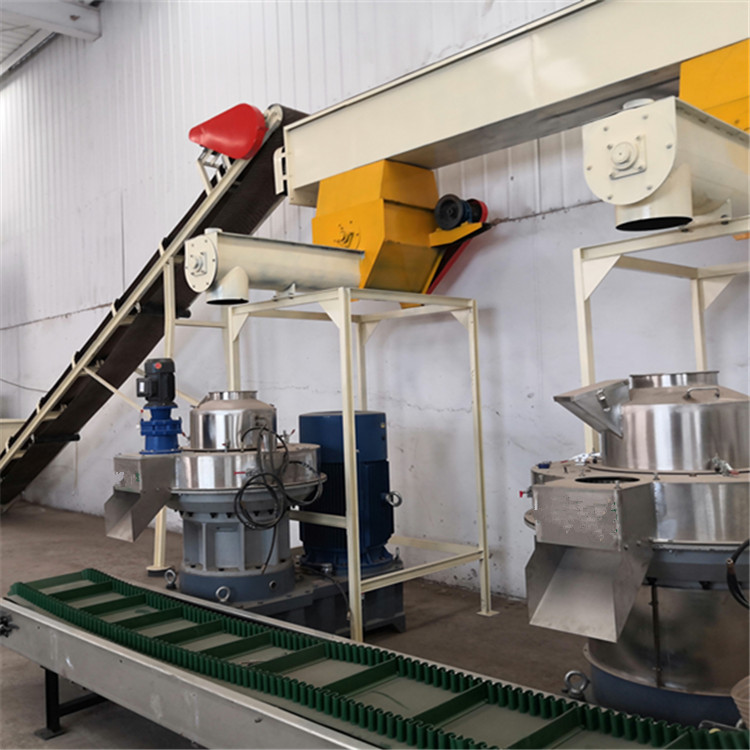
Pellet Mill
Die and roller design: Material is forced through holes in a steel die.
Output: Small cylinders (6–12 mm diameter, 10–40 mm long).
Best for: Automated boilers, pellet stoves, animal bedding.
Capacity: From 100 kg/h to 10+ tons/h.
Briquette Press (Screw or Piston)
Screw type: A heated screw compresses material through a tapered die. Produces solid logs with a hole in the center. Excellent for BBQ briquettes and industrial heating.
Piston type: A reciprocating piston rams material into a die. Produces high‑density briquettes without a center hole.
Output diameter: 50–120 mm.
Which one answers your version of “how to turn wood waste into biomass fuel”?
If you sell to home heating or pellet stoves → pellet mill.
If you produce for local factories, restaurants, or BBQ market → briquette press.
Both technologies require the feedstock to have natural lignin, which acts as a binder when heated. If your wood waste is very low in lignin (e.g., some agricultural residues), you may add a small percentage of starch binder or mix with high‑lignin sawdust.
Step 5: Cooling, Screening, and Packaging
Immediately after densification, pellets or briquettes exit at 70–90°C. They must be cooled in a counter‑flow cooler (air blown through the product). This hardens the surface and prevents breakage. After cooling, a vibrating screen removes fines (broken pieces), which can be recycled back to the pellet mill.
Finally, package your biomass fuel:
Bags (5–25 kg) for retail/BBQ market.
Big bags (500–1500 kg) for industrial customers.
Bulk delivery by truck or pneumatic tanker.
Proper packaging preserves fuel quality and makes your product look professional, increasing your selling price by 20–30%.
Optional Step: Carbonization for Charcoal Briquettes
If your market values charcoal over raw biomass fuel, you can add a carbonization furnace after the briquette press. Raw briquettes are fed into a continuous kiln heated by their own syngas. The result is high‑fixed‑carbon charcoal briquettes that burn without smoke – perfect for restaurants, hookah lounges, and metallurgical applications.
This extension of how to turn wood waste into biomass fuel converts low‑value sawdust into premium charcoal selling for $500–1200 per ton. Many customers of Henan Manto Machinery use this two‑step process: first make briquettes, then carbonize them in a continuous horizontal furnace.
Common Mistakes and How to Avoid Them
Based on real user searches like “wood waste to biomass fuel failed” or “pellet mill not working,” here are the top pitfalls:
| Mistake | Consequence | Solution |
|---|---|---|
| Skipping drying | Pellets crack, mold, low heat output | Always measure moisture; keep below 15% |
| Wrong particle size | Pellet mill jams or produces weak pellets | Use a hammer mill with correct screen (4–6 mm) |
| Overloading the pellet mill | Motor stalls, die cracks | Gradually increase feed rate; monitor amperage |
| No magnet protection | Metal pieces destroy rollers and dies | Install a magnetic separator before the mill |
| Ignoring fine collection | Dust explosion risk, product loss | Add a cyclone and dust filter |
A professional supplier provides not just machines but also training on these points. Henan Manto Machinery Equipment Co., Ltd. includes an operational checklist and video tutorials with every complete biomass line, helping new operators avoid the trial‑and‑error phase.
Equipment Layout for a Small‑Scale Biomass Fuel Plant (1–2 tons/hour)
A typical line answering how to turn wood waste into biomass fuel at small commercial scale:
Conveyor belt – feeds raw wood waste into the primary crusher.
Hammer mill or wood chipper – reduces to <10 mm.
Rotary dryer – lowers moisture from 45% to 12%, heated by a biomass burner.
Cyclone and dust collector – captures dry material and cleans exhaust air.
Second hammer mill – fine grinds to 3–6 mm for pelleting.
Pellet mill or briquette press – densifies the material.
Counter‑flow cooler – cools pellets to ambient temperature.
Vibrating screen – removes fines.
Packaging machine – bags or big bags.
Control panel – centralizes all motors and temperature sensors.
Total investment for this capacity (excluding building and civil work) ranges from $80,000 to $250,000 depending on automation and brand. Payback period is typically 12–24 months.
Is This Process Profitable? A Quick Calculation
Assume you process 2,000 kg/h of dry wood waste (input 4,000 kg/h wet wood after drying).
Input cost: $20/ton for waste wood + $10/ton for electricity and labor = $30/ton.
Output: 1.8 tons of pellets per hour (10% loss in fines and moisture).
Pellet selling price (wholesale): $150/ton.
Gross revenue per hour: 1.8 × $150 = $270.
Hourly cost: 2 × $30 = $60 (for 2 tons input material).
Net profit per hour: $210.
Daily (8 hours): $1,680.
Annual (250 days): $420,000.
These numbers are conservative. In regions with high fuel prices or subsidies for biomass, profits can be 50% higher.
Maintenance and Safety Tips
To keep your biomass fuel line running for years:
Daily: Check for loose bolts, abnormal noise, and lubrication points.
Weekly: Replace hammers or chipper knives as needed; inspect belts and bearings.
Monthly: Clean the dryer cyclones and dust filters; calibrate moisture sensors.
Quarterly: Rotate pellet mill die and rollers (if reversible); check carbonization furnace refractory lining.
Safety is paramount – biomass dust is explosive when airborne. Always install dust extraction, keep the plant clean, and prohibit open flames.
Conclusion: From Waste to Watt
Understanding how to turn wood waste into biomass fuel transforms an environmental liability into an income stream. The core steps – size reduction, drying, densification, and optional carbonization – are proven and accessible. Whether you start with a small briquette press for a workshop or build a full‑scale pellet plant for export, the technology exists to make it happen.
The key is to source your equipment from a factory that understands global standards, offers material testing, and provides after‑sales support. Henan Manto Machinery Equipment Co., Ltd. has delivered complete biomass conversion lines to over 40 countries, helping customers turn sawdust, coconut shells, and wood waste into profitable fuel. Their team can run a free test on your material and recommend the exact machinery for your budget and space.
Finding the right wood waste recycling solutions ensures you maximize both environmental and economic returns. Ready to stop paying for waste removal and start selling fuel? Begin by collecting a sample of your wood waste, measure its moisture, and contact a trusted equipment supplier. The journey from wood waste to biomass fuel is not only eco‑friendly – it is a smart business move for the circular economy.