Organic waste from agriculture, forestry, food processing, and municipal sources represents both an environmental challenge and a major opportunity. When left unmanaged it generates methane, occupies landfill space, and creates disposal costs. When processed correctly with the right industrial biomass machines, the same material becomes renewable fuel, animal bedding, compost feedstock, or raw material for engineered products. Modern industrial systems turn branches, crop residues, sawdust, fruit shells, and mixed organic streams into consistent, high-value outputs.
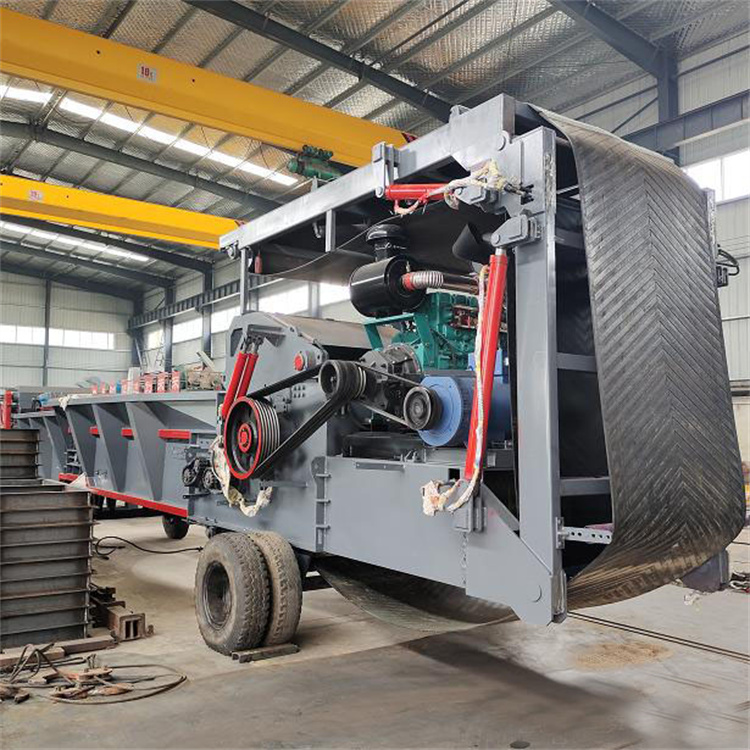
The core of any successful operation is a well-matched combination of size-reduction, drying, and densification equipment. Primary size reduction is typically handled by high-capacity wood chippers or crushers. A drum chipper is especially effective for logs, branches, and bulky agricultural residues because its rotating drum with heavy-duty knives delivers high throughput and relatively uniform chips in the 20–80 mm range. These chips are ideal for biomass boilers or as intermediate feedstock for further grinding. For finer particles required in pellet or briquette production, a hammer mill follows, reducing material to 1–10 mm while handling a wide variety of fibrous and woody wastes.
After size reduction, moisture control becomes critical. Most densification processes require feedstock moisture below 15%. Rotary dryers or other industrial drying systems remove excess water efficiently, improving both energy density and process stability. Once dried and sized correctly, the material moves to densification. The biomass pellet machine compresses the prepared biomass into dense, uniform pellets (typically 6–10 mm diameter). Ring-die models are preferred for continuous industrial production because of their durability, higher capacity (often 1–4 t/h per unit), and ability to handle wood, straw, rice husks, and other organic residues without added binders. The natural lignin in the biomass melts under heat and pressure, binding the pellets.
These machines are not limited to wood. Modern industrial biomass systems process a broad spectrum of organic waste: empty fruit bunches from palm oil mills, sugarcane bagasse, corn stalks, rice straw, coconut shells, and even selected municipal green waste after proper sorting. The versatility reduces dependence on a single feedstock and improves year-round plant utilization. When the goal is higher-density solid fuel rather than pellets, biomass briquette machines perform a similar densification role, producing larger blocks suitable for industrial boilers or further carbonization.
Selecting the right configuration depends on several factors: feedstock characteristics (moisture, fiber content, contamination), target end product, daily throughput, available power, and site constraints. A typical complete line for pellet fuel might include a primary drum or disc chipper, a secondary hammer mill, a dryer, a pellet mill, cooler, screener, and packaging system. For simpler chip-for-fuel applications, a robust industrial wood chipper with screening may be sufficient. Mobile or diesel-powered versions of chippers allow on-site processing at remote forestry or agricultural locations, cutting transportation costs dramatically by reducing volume before hauling.
Beyond the technical specifications, operational reliability and after-sales support determine long-term success. Wear parts such as knives, hammers, screens, and dies must be readily available, and operators need clear guidance on maintenance intervals and optimal operating parameters. Experienced manufacturers design machines with ease of access, replaceable wear components, and safety features that suit continuous industrial duty. Energy efficiency also matters: well-engineered systems minimize power consumption per ton of output, improving the overall economics of converting organic waste into marketable products.
The environmental and economic case is strong. Diverting organic waste from landfills reduces greenhouse-gas emissions. Producing biomass pellets or chips creates a renewable alternative to fossil fuels for heating and power generation. In many regions, policy incentives, carbon credits, and rising energy prices further improve project returns. Farmers and agro-processors gain an additional revenue stream from residues that previously had little value, while municipalities and industrial parks lower disposal costs and meet sustainability targets.
Henan Manto Machinery Equipment Co., Ltd. has supplied wood-processing and biomass equipment for more than 25 years to customers in over 100 countries. The company’s product range covers primary crushing with drum and disc chippers, fine grinding with various hammer mills, and densification with biomass pellet and related systems. By matching machine capacity and configuration to specific organic waste streams, operators can achieve consistent product quality and stable production rates. Whether the objective is biomass fuel for local boilers, export-grade pellets, or intermediate chips for further processing, a properly engineered line from a specialized manufacturer such as Henan Manto Machinery provides the mechanical foundation for turning organic waste into a reliable resource.
Successful projects usually begin with material testing and capacity planning. Feedstock samples help determine the optimal combination of primary reduction, secondary grinding, and densification equipment. Moisture analysis guides dryer selection, while target particle size and final product specifications dictate screen and die choices. Once the line is designed, proper installation, operator training, and a planned maintenance schedule keep the system running at design capacity. Many operators start with a core set of machines and expand later as feedstock volumes or market demand grow.
In summary, industrial biomass machines offer a practical, scalable solution for organic waste management. From high-throughput drum chippers and versatile hammer mills to efficient pellet production systems, the technology converts low-value residues into densified fuel and other useful products. Careful selection of equipment matched to local materials and markets, combined with reliable technical support, enables businesses and communities to reduce waste, generate renewable energy, and create economic value from resources that would otherwise be discarded. As demand for sustainable energy and circular-economy practices continues to rise, these machines will remain essential tools for turning organic waste into opportunity.