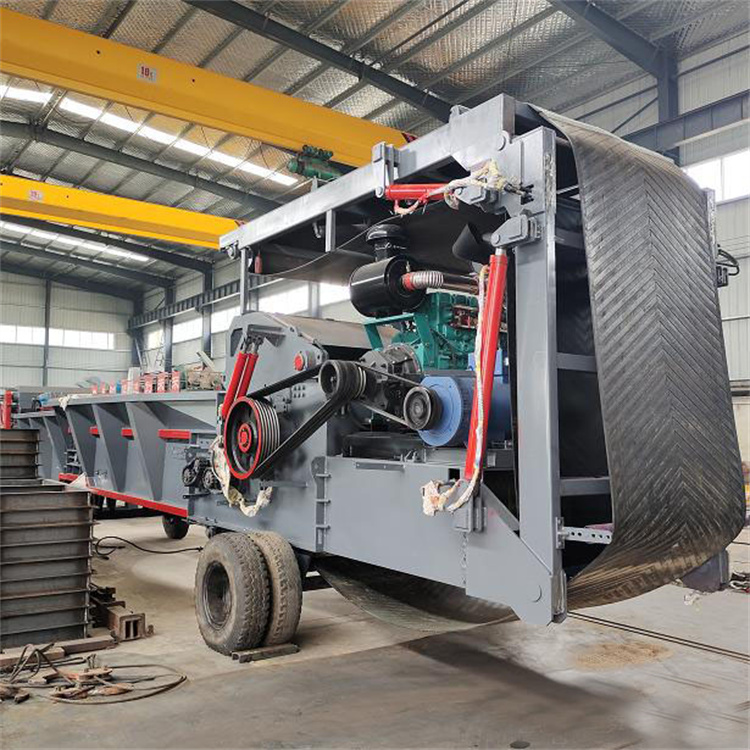
If you’re in the business of manufacturing wood pellets, you already know that the quality of your finished product starts long before the pellet mill. It starts with the raw material — and more specifically, with how well you prepare it. The wrong particle size, inconsistent moisture content, or contamination in your feedstock can derail your entire production line, leading to clogs, poor pellet quality, and costly downtime.
That’s why choosing the right biomass crusher for pellet production is one of the most critical decisions you’ll make. In this guide, I’ll walk you through the different types of crushers available, what to look for when buying, and how to match the machine to your specific operation. I’ll also share insights from manufacturers like Henan Manto Machinery Equipment Co., Ltd. , who have been helping producers around the world optimize their biomass processing lines.
Why Crushing Matters for Pellet Production
Pellet production is a multi-step process: raw biomass must be dried, ground to a uniform size, compressed into pellets, and cooled. The grinding stage — where a wood crusher machine reduces logs, branches, and agricultural residues into smaller particles — is arguably the most important step for consistency.
If your feedstock particles are too large, the pellet mill struggles to compress them, resulting in weak, dusty pellets that crumble easily. If particles are too fine, they can overheat during compression and cause the die to clog. The sweet spot is usually 3–6 mm for wood pellets, though the exact size depends on your pellet mill and the type of biomass you’re processing.
A modern biomass wood crusher features a high-speed rotor, heavy-duty blades, and a durable crushing chamber designed to handle hardwood, softwood, wood blocks, and even waste pallets. Its ability to reduce material size consistently improves downstream processes such as drying, pelletizing, and briquette making.
Types of Biomass Crushers for Pellet Production
Not all crushers are created equal. Depending on your feedstock and production volume, you’ll need a different type of machine. Here are the main categories.
Hammer Mills
The hammer mill is the workhorse of the biomass processing industry. It uses high-speed rotating hammers to pulverize material into fine particles. Hammer mills are versatile — they can handle wood chips, sawdust, agricultural residues like corn stalks and straw, and even fibrous biomass.
One of the key advantages of a hammer mill is its ability to produce very consistent particle sizes. By using screens with different hole diameters, you can control the output fineness. For pellet production, a 3–6 mm particle size is typical. Some operators use a two-step process: a wood crusher for primary size reduction, followed by a hammer mill for fine grinding after drying.
A well-designed hammer mill can significantly improve your production efficiency. One case study found that switching to a water-drop hammer mill increased daily pellet output by 32% and reduced electricity costs by 18%.
Wood Chippers
A wood chipper is designed for primary size reduction. It takes large logs, branches, and whole trees and reduces them to smaller chips, typically 30–50 mm in size. While wood chips are still too large for direct pelletizing, they’re an excellent first step before further grinding in a hammer mill.
For operations in remote areas without reliable electricity, a diesel disc wood crusher offers greater mobility and flexibility. It can be transported directly to logging sites or rural areas, reducing the need to haul raw wood over long distances.
Wood Grinders
A wood grinder is designed for fine grinding of wood waste into sawdust or powder. It plays a vital role in wood recycling, biomass fuel production, and sawmill operations.
The adjustable screen system on a high-capacity wood grinder allows users to control output fineness, making it suitable for producing wood chips, sawdust, or fine wood powder used in biomass pellet manufacturing. Available in both electric and diesel models, the high-capacity grinder adapts to various environments — from factory lines to remote forestry sites.
Key Factors to Consider When Choosing a Biomass Crusher
Based on what I’ve learned from helping buyers select the right equipment, here are the most important factors to consider.
1. Feedstock Type and Moisture Content
Different biomass materials behave differently during crushing. Hardwood requires more power than softwood. Wet material can clog screens and reduce efficiency. Some crushers, like those from Henan Manto Machinery, are designed to handle a wide range of feedstocks including wood logs, branches, coconut shells, palm shells, and agricultural residues.
If your feedstock is wet (above 15% moisture), you may need a machine with a forced-feed system to prevent clogging. Many biomass plants use a two-stage approach: a wood crusher first to reduce wet material, then a hammer mill after drying for fine grinding.
2. Output Particle Size
The required particle size depends on your pellet mill. Most pellet mills require feedstock particles under 5 mm. Some hammer mills can produce particles as fine as 1 mm, while others are better suited for 30–50 mm chips.
When selecting a biomass crushing machine, consider key factors such as capacity, power consumption, finished particle size, and rotor design. Many manufacturers provide customizable screens to adjust final powder size for applications like biomass boilers, pellet mills, and organic fertilizer production.
3. Capacity and Throughput
How much material do you need to process per hour? Machines range from small units processing a few hundred kilograms per hour to industrial models handling 5 tons per hour or more.
A high-capacity industrial wood grinder offers a cost-effective and eco-friendly solution for businesses seeking efficient wood waste recycling or renewable fuel preparation. It maximizes resource utilization, reduces disposal costs, and supports sustainable manufacturing.
4. Power Source: Electric vs Diesel
Electric wood grinders are suited for stationary production lines where reliable power is available. Diesel-powered crushers are ideal for outdoor operations, remote forestry sites, and areas with unreliable electricity.
The diesel-powered disc grinder offers greater mobility and flexibility. It can be transported directly to logging sites, construction zones, or rural areas, reducing the need to haul raw wood over long distances.
5. Build Quality and Maintenance
A crusher is a significant investment, and you want it to last. Look for machines with heavy-duty blades, a robust motor, and a durable crushing chamber. Wear-resistant components and optimized feeding systems ensure long service life and low maintenance costs.
Henan Manto Machinery Equipment Co., Ltd. supplies both wood chippers and horizontal grinders tailored to biomass applications, offering wear parts and technical support to optimize your cost per ton. Their engineers will help you test your material before you buy, ensuring you get the right machine for your specific feedstock.
Two-Stage Crushing: A Winning Strategy
Many successful pellet producers use a two-stage crushing approach. First, a wood chipper or crusher reduces large logs and branches to smaller chips. Then, a hammer mill grinds those chips to the fine particle size required for pelletizing.
This two-step process offers several advantages. Primary crushing removes contaminants like nails and stones that could damage the hammer mill. It also allows you to dry the material between stages, which improves grinding efficiency and pellet quality. According to Henan Manto Machinery, many biomass plants in Southeast Asia use this approach — wood crushers first to reduce wet palm waste, then a hammer mill after drying to reach pellet-grade fineness.
Real-World Results: How the Right Crusher Boosts Production
The numbers don’t lie. A Canadian sawmill was struggling with inconsistent crushing of Douglas fir chips with 18–22% moisture content. After installing a wide-chamber hammer mill, they achieved uniform particle size (2–5 mm) and increased pellet production by 25%, meeting the strict quality standards of European biomass buyers.
Another operation using standard hammer mills switched to a water-drop hammer mill and achieved a 32% increase in daily pellet output (from 60 tons to 79.2 tons) and an 18% reduction in electricity costs.
These aren’t isolated cases. The right biomass grinding machine can transform your entire production line, reducing waste, lowering energy costs, and improving product quality.
Common Mistakes to Avoid
Buying on price alone — The cheapest machine often uses soft steel components that wear out quickly. You’ll spend more on downtime and replacements than you saved.
Ignoring moisture content — Wet material clogs screens and reduces efficiency. If your feedstock exceeds 15% moisture, consider a pre-dryer or a forced-feed system.
Skipping the test run — Always have the supplier run your actual material through their machine. Different biomass types behave differently.
No spare parts strategy — A broken screen or hammer can shut you down for weeks. Order a spare parts kit with your initial purchase.
Underestimating power requirements — A medium-sized hammer mill needs 50–150 kW of power. Check your facility’s capacity before ordering.
Conclusion
Choosing the best biomass crusher machine for pellet production doesn’t have to be complicated. Start by understanding your feedstock — what type of material are you processing, what’s its moisture content, and how much do you need to process per day? Then match that to the right machine: a hammer mill for fine grinding, a wood chipper for primary reduction, or a combination of both.
Henan Manto Machinery Equipment Co., Ltd. has been helping businesses across the world make this transition. Their equipment is engineered for heavy continuous use, backed by spare parts support, and priced to deliver a solid return on investment. With installations in over 40 countries, they have the experience to guide you toward the right solution.
Take the time to assess your feedstock, your production goals, and your budget. Test the equipment with your actual material. And don’t hesitate to reach out to experienced manufacturers — they’ve seen every scenario and can steer you toward the right solution. The right crusher will turn your wood waste from a liability into a valuable asset for years to come.